Email id: info@ijclinmedcasereports.com
Impact of Menstrual Abnormalities on HRQoL of Women of Reproductive Age in Gujrat, Pakistan
Sofia Habib1,2, Shumaila Bashir1, Aqna Malik1,3,*, Waleed Awais3, Asad Ali3 and Asim Raza4
1Department of Pharmacy, University of Lahore, Lahore, Pakistan
2Darson Institute of Pharmaceutical Sciences, Gujrat, Pakistan
3Department of Pharmacy, University of Chenab, Gujrat, Pakistan
4Assistant Professor (Epidemiology and Biostatistics), School of Allied Health Sciences, CMH, Lahore Medical College, and Institute of Dentistry, Pakistan
Received Date: 20/12/2025; Published Date: 26/01/2026
*Corresponding author: Dr. Aqna Malik, Department of Pharmacy, University of Chenab, Gujrat; Department of Pharmacy, University of Lahore, Lahore
https://orcid.org/0000-0003-3875-9621
Abstract
Background: Although menstruation is a normal physiological process of a woman's body, there may be problems like endocrine disruption or PCOS. Teenagers and young adults may experience a decline in their health-related quality of life (HRQoL) due to menstrual cycle irregularities.
Objectives: To determine the prevalence and pattern of menstrual irregularities and their impact on health-related quality of life (HRQoL) of young adult women and teenagers in females of reproductive age in Division Gujrat (Pakistan).
Methods: A descriptive cross-sectional survey was conducted in the division of Gujrat (Pakistan) from November 2021 to January 2022. 135 female participants of reproductive age were selected by convenience sampling. A semi-structured questionnaire was used for data collection. Females with one comorbidity, like diabetes, hypertension, mood disorders, or obesity, were also included. Females suffering from menopause or age ≥ 45 years were excluded. Data were analyzed using GraphPad Prism 10.2.
Results: Of the total of 135 female participants, 104 (77.04%) were 12–30 years old. 65 (48.14%) experienced their first menstrual period at ≥12, while 60 (44.44%) experienced it at ≤12; however, 10 could not recall the age of onset.
Conclusion: Childbearing age, middle-aged women. Exhibited mental health issues in their 30s and 40s, including restlessness, behavioural changes, and insomnia. Some females face difficulties associated with eating disorders and physical health issues during menstruation, including weight gain and joint discoordination. These challenges impede women's capacity to execute routine tasks and provide care for their families.
Keywords: Infertility; Menstrual cycle; Reproductive; Health-Related Quality of Life (HRQoL)
Background
Menstruation is a monthly physiological process that occurs in females. The typical duration ranges from 1 to 10 days/month. It is associated with symptoms including lower abdominal pain, pelvic cramps, food cravings, breast tightness, mood fluctuations, irritability, and intermittent fatigue. It involves both the suppression and elevation of estrogen and progesterone.
Reices et al 2025 reported that the menstrual cycle gives rise to various emotional and physical problems. Certain women and adolescent girls experience their menstrual cycles with few or no complications [1]. Conversely, some individuals encounter various physical and psychological symptoms that may present greater challenges in management. Menstrual symptoms are categorized by Ramici et al 2025 into menstrual-related diagnoses, such as dysmenorrhea and Premenstrual Syndrome (PMS) [2]. According to Uchibori et al (2023, Many women may experience menstrual symptoms that do not align with the diagnoses mentioned earlier, which are influenced by the quality, timing, or interpretation of their menstrual disorders [3]. Panda et al, Menstrual cycle disturbances in women across all age groups result in multiple health complications, such as endocrine disorders and polycystic ovary syndrome (PCOS) [4]. According to the WHO, middle-aged women (30-55 years) generally view their monthly bleeding as excessive [5]. Masurkar & Rege, et al (2025 found that costly hormonal medications and laboratory testing can impact the health-related quality of life (HRQoL) of women, potentially resulting in considerable financial strains related to healthcare costs [6]. This issue may affect attendance at school or work, thereby threatening academic performance and employment opportunities. Menstrual disorders are linked to nutrition and eating disorders. Vashisht et al 2018, found that factors such as physical inactivity, body mass index (BMI), stress, and chronic illnesses are also linked to menstrual disorders, as indicated in the points [7,8]. Panic attacks are sudden episodes of anxiety marked by physical symptoms such as rapid heartbeat, dizziness, trembling, chest tightness, and shortness of breath, usually lasting approximately 10 minutes.
Normal menstrual cycle: Menstrual cycles typically last 24-38 days, and bleeding during menstruation varies between 2 and 8 days. Tan et al (2025 reported that frequent menstruation is defined as cyclical bleeding that occurs at intervals shorter than 24 days [9]. Cycles were considered regular if the duration spanned from 7 to 9 days. Abnormal uterine bleeding refers to any variation in the frequency, length, regularity, and amount of menstrual flow. During infrequent menstruation, menstrual periods last ≥38 days. Davis et al 2024 explained that heavy menstrual bleeding as bleeding that is significant enough to influence a woman's HRQoL [10].
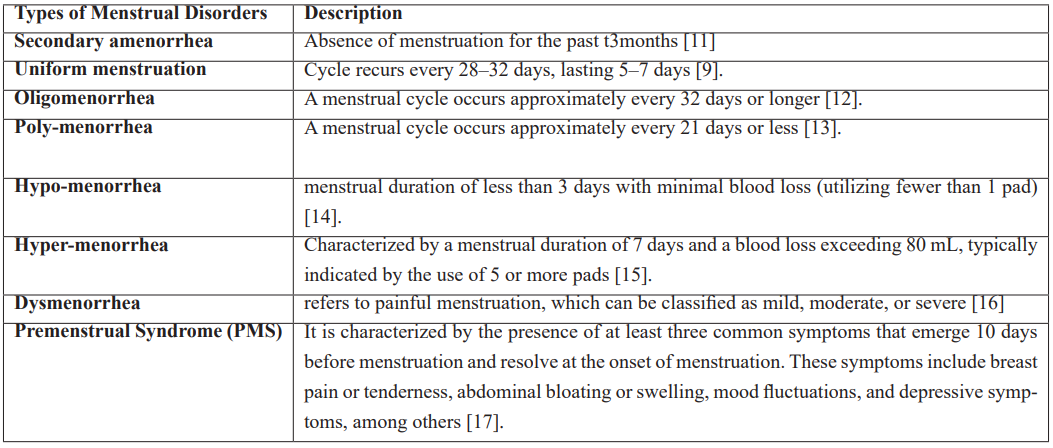
Menstrual disorders were defined as follows [13, 14] (Table 1).
Table 1: Types of Menstrual Disorders.
Methodology
Study Design, Setting & Duration of Study
A cross-sectional survey-based study was conducted, including females of reproductive age in Division Gujrat from November 2022 to January 2023 at Aziz Bhate Hospital Gynae OPD clinics. It was ensured that no participant provided false or fraudulent information on the questionnaire. After hearing the study's purpose, many women wanted to participate, but the inclusion criteria required all women between 12 and 45 who had visited the gynecology clinic in OPD for menstrual irregularities to meet the WHO reproductive age requirements. 135 reproductive-age females (12–45) were selected via convenience sampling. Women over 45 and minor girls under 10 were excluded. Women with a history of malignancy, hormonal contraception, pregnancy, ovarian cancer, UTIs, or antidepressants were excluded. Hospital ethical committee approval and informed written consent from the OPD Gynae clinic director were acquired. Women gave verbal consent before the questionnaire. All participants were told to answer questions as best they could. A patient information form was handed to all selected female participants to fill out their demographic information, like name, age, occupation, education, and marital status.
Data Collection: The Menstrual Health Symptom Questionnaire by the NHS was adopted to assess dysmenorrhea symptoms. A better knowledge of menstruation symptoms has led to the designation of certain symptoms as separate illnesses, including PMS and dysmenorrhea. It is a 24-item self-report questionnaire consisting of relevant data regarding menstrual cycle pain and symptoms [18]. The MHS Questionnaire was delivered in English, and it took about 15-30 minutes to complete. The pharmacy students at the University of Chenab, Gujrat, explained the purpose and objectives of the study. The study also assessed the impact of the MHS Questionnaire on the HRQoL of female participants in the survey [19]. Menstrual cycle-related mood symptoms, like symptoms of depression, anxiety, and agitation, were assessed through a Likert scale, and their impact on the work and social life of female participants was assessed. The questionnaire was slightly modified and divided into three sections. In Part 1, demographic information like name, age, social & marital status, and past medical history of each female participant was noted; moreover, 8 questions regarding timing, duration, and length of menstrual cycle were also asked by female participants. Primarily, the study divided PMS into two components. A major part is psychological distress during the menstrual cycle. The 2nd part of the questionnaire consisted of 29 questions regarding the impact of PMS on the mental health of females, under the main headings of anger/irritability/tension, tearfulness/increased sensitivity to rejection, depression/hopelessness, fatigue/lack of energy, insomnia/hypersomnia (needing more sleep), Difficulty in concentration, Weird behaviour towards others, Feeling overwhelmed or out of control, The symptoms include an eating disorder, physical manifestations, and panic episodes. The questions are related to symptoms of anxiety, depression, irritability, and mood swings that occur during Premenstrual Syndrome (PMS). Responses were graded as 0. Not at all, 1. Rarely, 2. Less than half the time, 3. About half the time, 4. More than half the time, 5. Always. 3rd part of the questionnaire was more concerned with physical pains in the body due to menstruation, such as bleeding, vomiting, abdominal pain, vaginal irritation, dryness, UTI infections, coordination and balance issues, and acne. 14 subqueries further elaborated on all these symptoms. Responses were graded as Not at all (0), Rarely (1), Less than half the time (2), or about half the time (3).
Data Analysis: Data was analysed using GraphPad Prism 10.
Ethical Considerations: The data were stored in the personal computer and were password protected; tangible copies were also kept in the office in the locked cabinet of the principal investigator. Participants were told their data would be kept private and used only for research.
Results
Current Menstrual Status: Among 135, 100 (74.1%) females had irregular periods, and 35 (25.9%) had regular periods.
Secondary amenorrhea: Among those 100 (74.1%), 11 females have a 33–35-day interval (≥ one month), and 7 (5.2) have an interval (≥ 2 or 3 months) between two periods, which may indicate secondary amenorrhea (Table 2).
Table 2: Responses of female participants regarding timing, duration, and length of menstrual cycle.
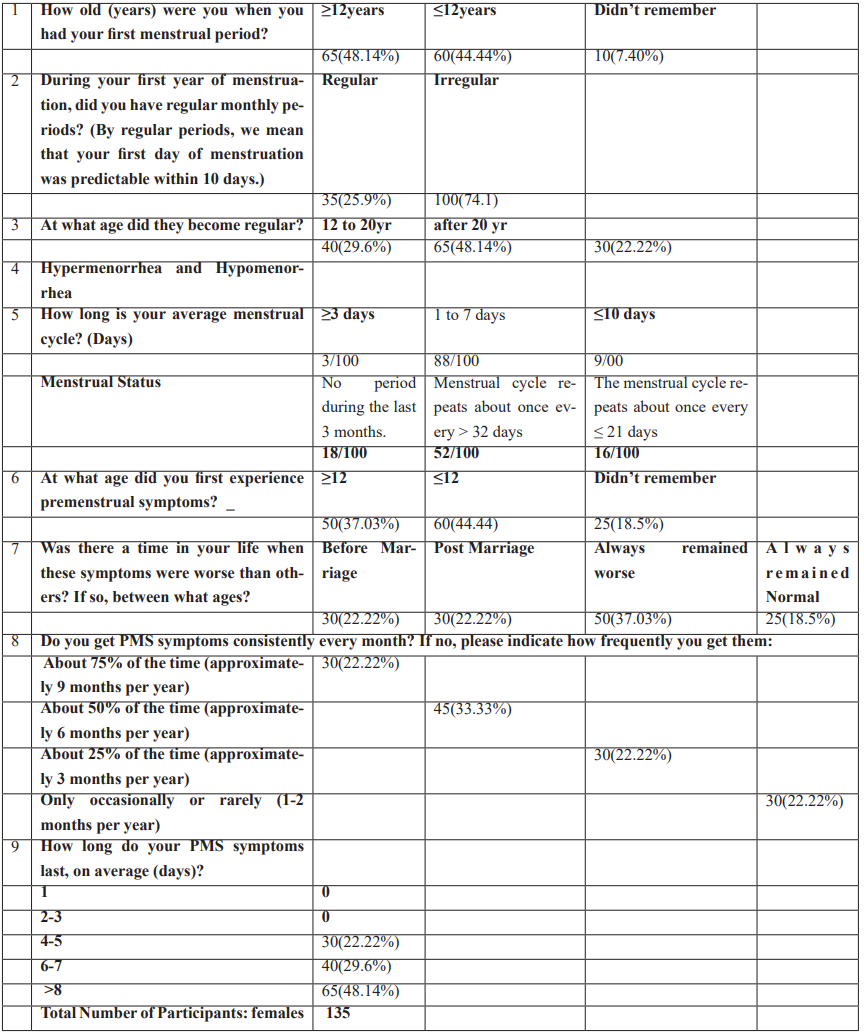
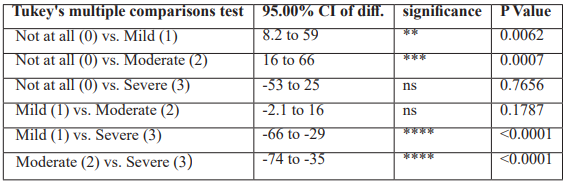
Oligomenorrhea: Data collection showed that 52 women were suffering from oligomenorrhea. 33 women (63.2%) have a 24- to 26-day interval, and 19 women (36.5%) have less than a 24-day interval. Poly-menorrhea: 16 out of 100 women were suffering from poly-menorrhea. Hyper-menorrhea and Hypo-menorrhea: Among 100 women, only 6 experienced 9 days of bleeding, indicating hyper-menorrhea, and 3 women experienced 2 days of bleeding, indicating hypo-menorrhea. Five women (3.703%) reported experiencing mild, moderate, or severe pain during menstruation due to dysmenorrhea. Premenstrual symptoms are typically associated with dysmenorrhea; however, in this study, the majority of women (95%) reported experiencing PMS even when they did not have dysmenorrhea, while only 5% reported no such symptoms. Women were also asked about PMS symptoms in parts 2 and 3 of the questionnaire. Their responses about different PMS symptoms were graded as 'Not at all,' 'Mild,' 'Moderate,' and 'Severe.' Most responses fell into grade 5, indicating high severity of PMS. Women aged 30-45 years were more prone to insomnia. A total of 125 participants (92.5%) reported experiencing restlessness, irritability, and difficulty concentrating, while 100 participants (74.1%) reported these symptoms. Additionally, women aged 30-45 reported high levels of breast tenderness, joint pain, and weight gain, all at grade 5 severity. One-way ANOVA and Tukey's multiple comparisons test were applied, revealing statistically significant results with a p-value < 0. 0001.Table 3(a). A statistically significant comparison was identified between responses, not at all (0) vs moderate (2), mild (1) vs severe (3), and moderate (2) vs severe (3) (Table 3(b)).
Table 3(a): Symptoms of PMS among Participants.
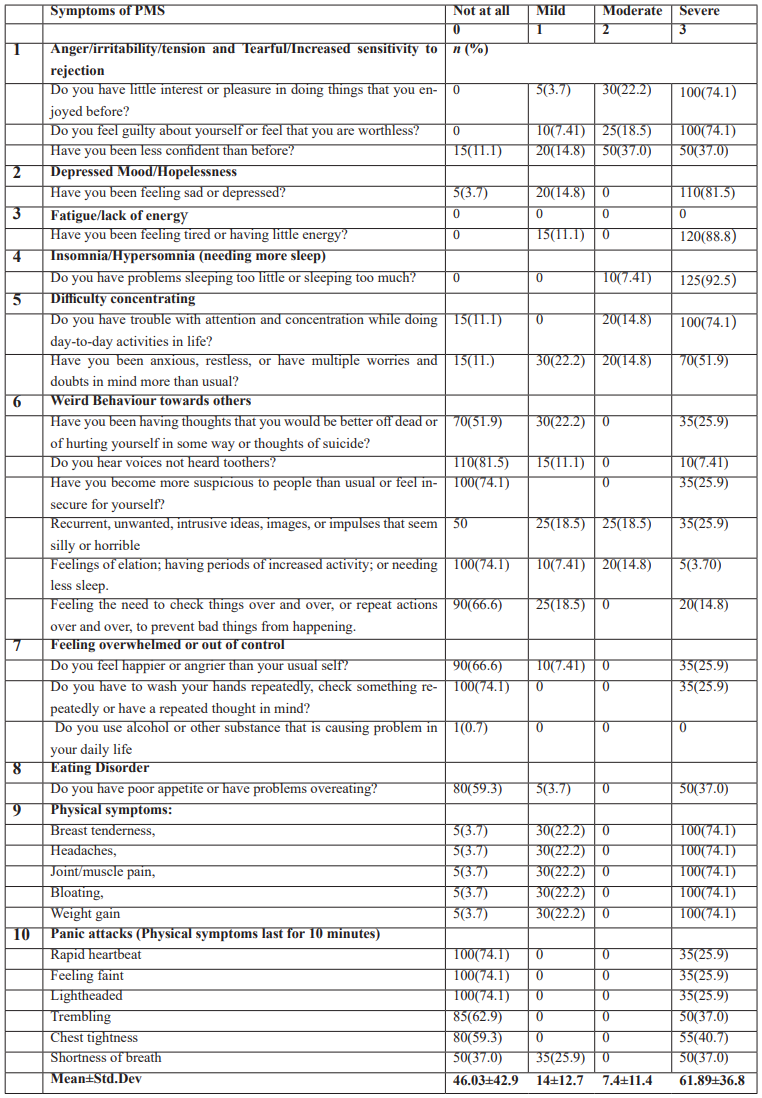
Table 3(b): Statistically significant Comparison between different grades.
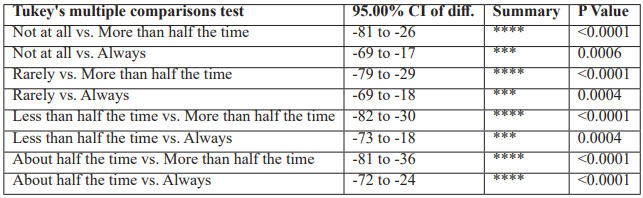
The third part of the questionnaire focused on physical symptoms in women. participants post- or during menstruation monthly, with 130 (96.2%) suffering vaginal irritation, dryness, or about half of the time, discharge Table 4(a). Significant P-value < 0.0001 comparisons between different responses regarding the extent of discomfort experienced by participants in Table 4(b).
Table 4(a): Assessment of the extent of discomfort experienced by participants about the physical effects of menstruation on the body.
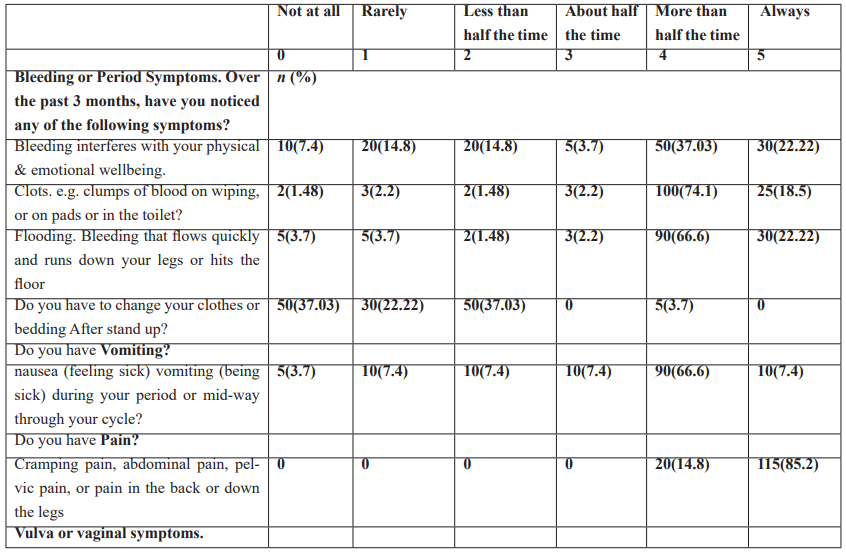
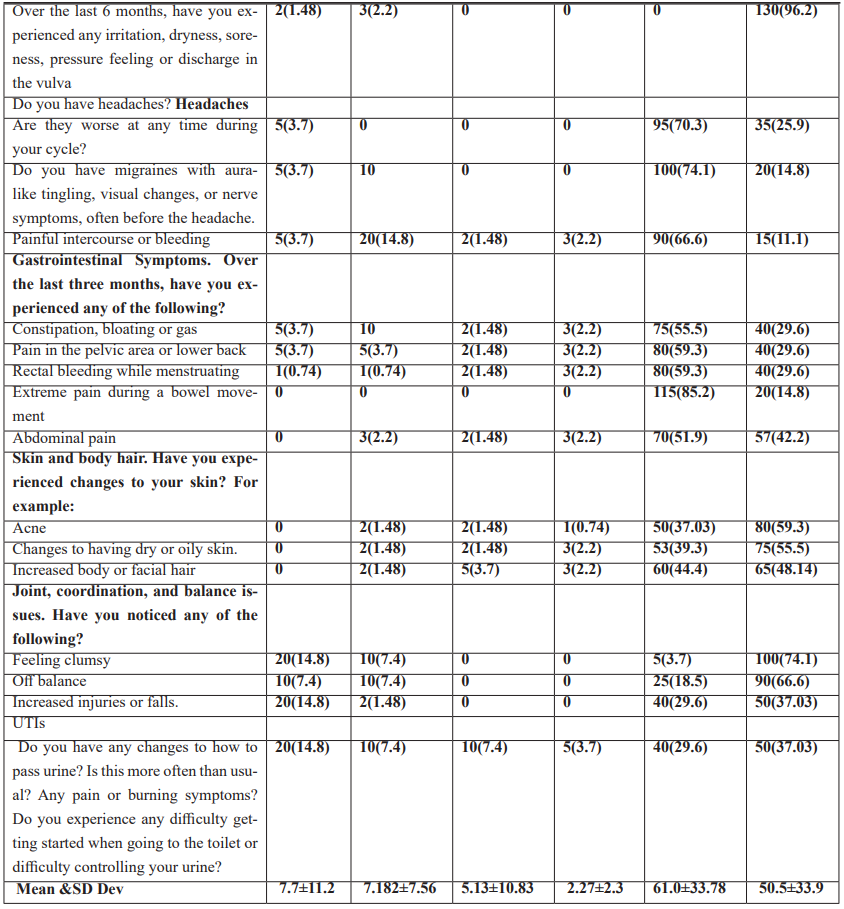
Table 4(b): Comparison of the extent of discomfort experienced by participants about the physical effects of menstruation on the body.
Impact of menstrual abnormalities on HRQoL in women of reproductive age via comparison of PMS, extent of bleeding, and UTIs
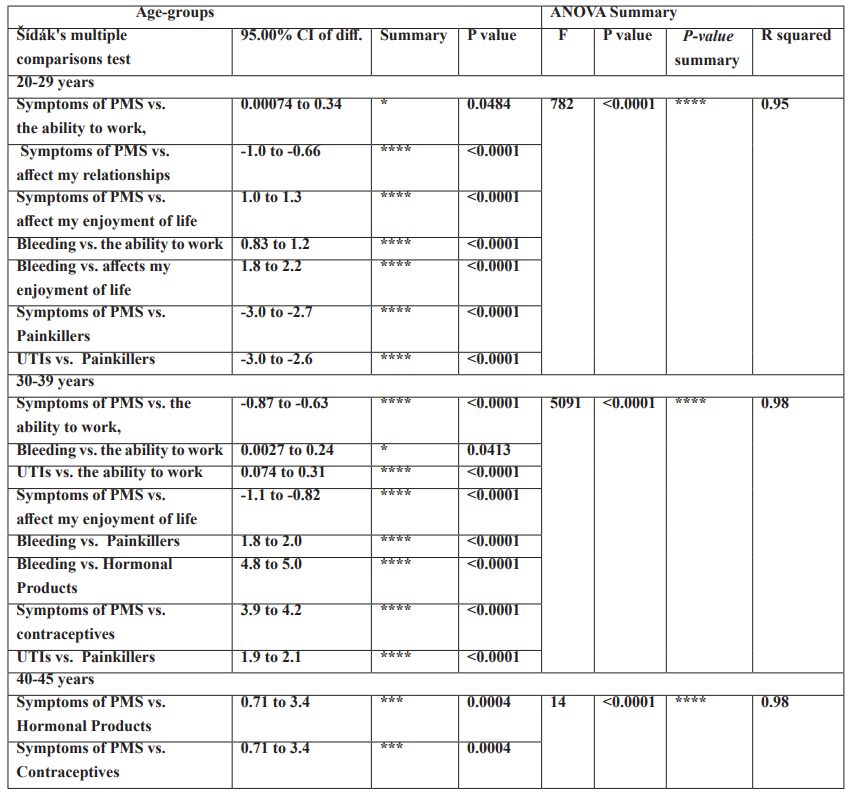
Responses of female participants were compared based on different age groups (years): 20-29, 30-40, and 40-45, and correlated with social and work-related activities, use of painkillers, hormonal products in case of menopausal symptoms, and contraceptive product usage (Table 5).
Table 5: Comparison of PMS, extent of Bleeding, and UTIs between women aged 20-29,30-39 and 40-45years and their impact on social and work activities.
Discussion
The current study was a cross-sectional survey conducted in the DHQ hospital with 135 participants. Michael et al 2020 also reported in their study that in Pakistan, between 6.7% and 48% of women experience heavy monthly bleeding, which affects their physical, social, mental, and financial health [20]. In his study, Sanigorska reported that, female participants were suffering mostly from heavy bleeding (59.25%), which interferes with their physical and emotional well-being [21]. Howard et al. (2025 identified a connection between menstrual diseases and their negative effects on women's mental health and overall quality of life [22]. Hopkins et al. (2025 also focused on secondary amenorrhea in their study [23]. Itani et al. 2022 have found that mental health and dysmenorrhea can disturb mental health and the quality of life among women [24]. Quraishi et al. (2015) and John et al (2025 also claimed that stress affects women's menstrual cycles and that these problems are linked to mental health disorders [25,26]. Tawakoli et al. (2025 confirmed in his study that 100 (74.1%) participants suffered severely from anger/irritability/tension and tearfulness/increased sensitivity to rejection, while 30 (22.2%) suffered mildly due to PMS [27]. Ezadi et al., 2025 found a strong correlation between PMS and insomnia (125 (92.5%)) and fatigue/lack of energy (120 (88.8%)) in our study, which indicates a strong linkage of mental health problems and low quality of life in women who have problems with their periods (p<0.01). 17. These results are in line with what other studies have found like Mighani et al, 2025 reported that most of the women who complained about PMS had a strong link between their menstrual disorders and their quality of life [28,29]. Anto-Ocrah et al. (2025 reported that dysmenorrhea can lead to severe bleeding, making life challenging for women [30] Du Plessis et al. 2025 his study that 100 (74.1%) women aged 20-40 years suffered from clotting most of the time, and 80 (59.2%) suffered from heavy bleeding [31].
Conclusion
The focus of the current study was on menstrual irregularities that may exacerbate physical and mental health issues in women of childbearing age, particularly among middle-aged women, as the majority of participant women in their 30s and 40s exhibited mental health issues, including restlessness, behavioral changes, and insomnia [32]. Some individuals may experience eating disorders and physical health issues, including weight gain and joint discoordination. Hambleton et al, 2022 found in his results that participants experiencing menstrual issues frequently report poorer mental health and higher levels of depression, anxiety, and stress [33]. Menstrual irregularities and disorders can hinder interpersonal connections and relationship development due to associated pain, discomfort, and mental strain, which impact the ability of women, hindering their ability to carry out routine tasks and care for their families.
Recommendations:
Menstruation can hinder daily activities and social interactions.
Engaging in positive communication with family, friends, and a spouse may reduce anxiety and depression in women.
Socioeconomic factors can affect access to healthcare and resources about menstrual health. Promoting awareness of menstrual health and hygiene is crucial for facilitating early detection and treatment.
Enhanced accessibility to healthcare is essential for the effective management of menstrual disorders, requiring that women have access to suitable reproductive healthcare services in the region.
Limitations: A large-scale study should be designed with all applicable research tools to find solutions to improve mental health issues among women related to menstrual irregularities.
Acknowledgement: We extend our sincere gratitude to the house officer and the duty-in-charge professor of gynaecologists at Aziz Bhatti Hospital, Gujrat, for their invaluable assistance in arranging resources for data collection and facilitating our search for participants experiencing menstrual irregularities.
Funding: It was a Non-funded Project. No funding was provided for this project. .
Conflict of Interest: Ms. Shumaila Bashir and Dr. Aqna Malik co-authored the research article. This manuscript has not been published elsewhere in part or entirety and is not under consideration by another journal. The appropriate institutional review board approved the study design, IRB No. 0041UCH. We have read and understood the policies of your journal. There are no conflicts of interest to declare.
References
- Reices DM. Cycle Tracking Technology: Impacts on Women’s Contraceptive Decisions and Experiences: The Florida State University, 2025.
- Ramici A. Taking Menstruation to the Workplace. Springer, 2025.
- Uchibori M, Eguchi A, Ghaznavi C, Tanoue Y, Ueta M, Sassa M, et al. Understanding factors related to healthcare avoidance for menstrual disorders and menopausal symptoms: A cross-sectional study among women in Japan. Preventive Medicine Reports, 2023; 36: 102467.
- Panda S, Jyothi K, Konar L, Hussain Z. Unmasking the Overlooked Symptoms of PCOS: Navigating Ovulatory Dysfunction, Menstrual Disorders, and Acne, 2025.
- Hu J, He L. Factors associated with anxiety and depression in perimenopausal women with abnormal uterine bleeding: A retrospective cohort study. BMC psychology, 2025; 13(1): 514.
- Masurkar PP, Rege S. Marginal health care expenditures and health-related quality of life burden in patients with osteoporosis in the United States. Journal of the American Pharmacists Association, 2025; 65(2): 102315.
- Vashisht A, Pathak R, Agarwalla R, Patavegar BN, Panda M. School absenteeism during menstruation amongst adolescent girls in Delhi, India. J Family Community Med, 2018; 25(3): 163-168.
- Adhikari P, Kadel B, Dhungel S, Mandal A. Knowledge and practice regarding menstrual hygiene in rural adolescent girls of Nepal. Kathmandu University medical journal (KUMJ), 2007; 5(3): 382-386.
- Tan GC, Wong YP, Khong TY. Menstrual Cycle of Endometrium. Gynecologic and Obstetric Pathology: Springer, 2025; p. 615-643.
- Davis E, Sparzak P. Abnormal uterine bleeding.[Updated 2023 Sep 4]. StatPearls Treasure Island (FL): StatPearls Publishing, 2024.
- Sharma S, Bishwas R, kumar Pandey P. Secondary Amenorrhoea and Homoeopathic approach-A Review of Case Studies. American Journal of Psychiatric Rehabilitation, 2025; 28(4): 411-415.
- Kim Y-L, Chang JY, Kim S, Yoon M, Ha J-N, Um KH, et al., editors. Prevalence and Risk Factors of Menstrual Disorders in Korean Women. Healthcare, MDPI, 2025.
- Mohee Mohammed N, Al-Sarray AAM, Al Diwin JK, editors. Clinical study of hypothyroidism in hilla city/iraq. Obstetrics & gynaecology forum, 2027.
- De Sanctis V, Soliman AT, Tzoulis P, Daar S, Di Maio S, Millimaggi G, et al. Hypomenorrhea in Adolescents and Youths: Normal Variant or Menstrual Disorder? Revision of Literature and Personal Experience, Acta Biomed, 2022; 93(1): e2022157.
- James AH. Heavy menstrual bleeding: work-up and management. Hematology Am Soc Hematol Educ Program, 2016; 2016(1): 236-242.
- Kho KA, Shields JK. Diagnosis and management of primary dysmenorrhea. Jama. 2020;323(3):268-9.
- Ryu A, Kim T-H. Premenstrual syndrome: A mini review. Maturitas, 2015; 82(4): 436-440.
- Negriff S, Dorn LD, Hillman JB, Huang B. The measurement of menstrual symptoms: factor structure of the menstrual symptom questionnaire in adolescent girls. J Health Psychol, 2009; 14(7): 899-908.
- Kravitz H, Schott L, Joffe H, Cyranowski J, Bromberger J. Do anxiety symptoms predict major depressive disorder in midlife women? The Study of Women's Health Across the Nation (SWAN) Mental Health Study (MHS). Psychological medicine, 2014; 44(12): 2593-2602.
- Michael J, Iqbal Q, Haider S, Khalid A, Haque N, Ishaq R, et al. Knowledge and practice of adolescent females about menstruation and menstruation hygiene visiting a public healthcare institute of Quetta, Pakistan. BMC Womens Health, 2020; 20(1): 4.
- Sanigorska A, Chaplin S, Holland M, Khair K, Pollard D. The lived experience of women with a bleeding disorder: a systematic review. Research and Practice in Thrombosis and Haemostasis, 2022; 6(1): e12652.
- Howard LM, Wilson CA, Reilly TJ, Moss KM, Mishra GD, Coupland‐Smith E, et al. Women's reproductive mental health: currently available evidence and future directions for research, clinical practice and health policy. World Psychiatry, 2025; 24(2): 196-215.
- Hopkins L, Spero S, Hofmann G. Evaluation of secondary amenorrhea in primary care. The Nurse Practitioner, 2025; 50(6): 15-21.
- Itani R, Soubra L, Karout S, Rahme D, Karout L, Khojah HMJ. Primary Dysmenorrhea: Pathophysiology, Diagnosis, and Treatment Updates. Korean J Fam Med, 2022; 43(2): 101-108.
- Quraishi S, Waghachavare V, Gore A, Dhumale G. Are menstrual problems associated with the mental health? A cross sectional study among the Graduation college girls. IIUM Medical Journal Malaysia, 2015; 14(2).
- John EB. Counsellors lived experiences of premenstrual syndrome: impact on professional effectiveness and coping, 2025.
- Tawakoli MF, Abed A, Sakhi R. Prevalence of Premenstrual Syndrome (PMS) Among Female Biomedical Students in Kabul, Afghanistan: A Cross-Sectional Study. Int J Womens Health, 2025; 17: 1911-1922.
- Ezadi Z, Ramozi M, Barati H, Hosseini M, Hakimi S, Mohammady N, et al. Prevalence and Associated Factors of Premenstrual Syndrome Among Female University Students of the Reproductive Age Group in Kabul, Afghanistan: A Cross-Sectional Study. Womens Health Rep (New Rochelle), 2025; 6(1): 403-411.
- Mighani S, Taghizadeh Shivyari F, Razzaghi A, Amerzadeh M, Ranjbaran M, Samavat M, et al. Association between sleep quality and premenstrual syndrome in young women in a cross-sectional study. Sci Rep, 2025; 15(1): 6260.
- Anto-Ocrah M, Affan NJ, Vempalli H, Chen M, Niyomugabo C, Glantz JC, et al. Bleeding Through a Pandemic: Women’s Lived Experiences with Heavy Menstrual Bleeding During the COVID-19 Pandemic. International Journal of Women's Health, 2025: 1083-1101.
- Du Plessis SS, Allam E, Beshtawy B, Raeisi R, Loney T, Abdelmannan D, et al. Proceedings Abstracts: Dubai Health Research Conference, November 15-17, 2024, Dubai, UAE. Dubai Medical Journal, 2025; 8.
- Attia GM, Alharbi OA, Aljohani RM. The Impact of Irregular Menstruation on Health: A Review of the Literature. Cureus, 2023; 15(11): e49146.
- Hambleton A, Pepin G, Le A, Maloney D, Aouad P, Barakat S, et al. Psychiatric and medical comorbidities of eating disorders: findings from a rapid review of the literature. Journal of Eating Disorders, 2022; 10(1): 132.