
Email id: info@ijclinmedcasereports.com
Residual Acrylamide in Polyacrylamide Hydrogel Cooling Masks as a Cause of Severe Toxicosis in Dogs: A Case Series
Leah D Swanson1, Renee D Schmid1, Lynn R Hovda1, Hannah M Zuspan2 and Ahna G Brutlag1
1Pet Poison Helpline/SafetyCall International, LLC, MN, United States
2Toxicology Section, California Animal Health and Food Safety Laboratory System, University of California, Davis, Davis, CA, United States
Received Date: 09/06/2026; Published Date: 24/08/2026
*Corresponding author: Renee D Schmid, Pet Poison Helpline/SafetyCall International, LLC, 3600 American Blvd W #725 Bloomington, MN, United States
Abstract
This case series describes three dogs that developed severe, progressive neurologic signs following partial ingestion of hydrogel-filled cooling migraine masks, all of which resulted in fatalities. Initial product evaluation identified the hydrogel matrix as composed primarily of water and glycerol with either polyacrylamide or its precursor monomers, acrylamide and N,N’-methylenebisacrylamide together forming the cross-linked polyacrylamide hydrogel network. Qualitative and quantitative gas and liquid chromatography-mass spectrometry of the hydrogel masks, revealed markedly elevated concentrations of acrylamide, a known potent neurotoxin. Detected concentrations exceeded expected residual monomer concentrations and were considered sufficient to explain the observed clinical manifestations. This case series highlights the risk of severe and potentially fatal toxicosis associated with acrylamide contamination in polyacrylamide-based hydrogels.
Keywords: Veterinary Medicine; Toxicology; Hydrogel; Acrylamide toxicosis; Migraine Cooling Masks
Abbreviations: ALT – Alanine aminotransferase; CPE- Cardiopulmonary resuscitation; CIR – Cosmetic Ingredient Review; DACVIM – Diplomate of the American College of Veterinary Internal Medicine; DABT – Diplomate of the American Board of Toxicology; DABVT – Diplomate of the American Board of Veterinary Toxicology; ECG – Electrocardiogram; EPA – Environmental Protection Agency; ESI – Electrospray ionization; FDA – U.S. Food and Drug Administration; GC – Gas chromatography; HR – Heart rate; HPLC – High-performance liquid chromatography
IS – Internal standard; IV – Intravenous; LC – Liquid chromatography; LC-MS/MS – Liquid chromatography-tandem mass spectrometry; LRS – Lactate Ringer’s solution; MRM – Multiple reaction monitoring; NAC – N-acetylcysteine; PES – Polyethersulfone; PO – Per os (oral administration); Ppm – Parts per million; PPH – Pet Poison Helpline; PRN – Pro re nata (as needed); QC – Quality control; RRHD – Rapid resolution high definition; SAMe – S-adenosyl methionine; SDS – Safety data sheet; S/N – Signal-to-noise
Introduction
Hydrogels are crosslinked polymer networks capable of retaining water, properties that make them useful in cooling masks, medical devices, cosmetics, and personal care products. This case series focuses specifically on hydrogel-filled migraine head wraps. Manufacturer-provided Safety Data Sheet (SDS) for one cooling wrap in this series included polyacrylamide, glycerol, and water. Safety data sheet information was unavailable for the other wrap, however public product descriptions identified components including water, glycerin, acrylamide, N,N’-methylenebisacrylamide, and acrylic acid, all recognized monomeric or cross-linking agents used in polyacrylamide polymer synthesis (Figures 1, 2) [1].
Polyacrylamide hydrogels are formed through free-radical polymerization of acrylamide monomers, a process that is highly sensitive to oxygen, temperature, and reaction conditions [2]. Incomplete polymerization can result in residual monomer being retained within the gel matrix, while additives such as glycerol can increase residual acrylamide through diffusion limited polymerization [3]. Acrylic acid may also form through acrylamide hydrolysis or degradation [2]. Residual acrylamide is a recognized impurity in polyacrylamide preparations and is typically present only at trace concentrations ranging from <1 to 600ppm [4]. Because acrylamide is a known neurotoxicant and probable human carcinogen, residual monomer concentrations are subject to regulatory limits [4]. The U.S. Environmental Protection Agency (EPA) limits residual monomer concentrations to ≤0.05% in polymers used for water treatment and has established a maximum contaminant level goal of 0 µg/L for acrylamide in drinking water [5].
Historically, ingestion of similar reusable gel-based thermal products has been associated with transient gastrointestinal upset. As the popularity and household availability of these products have increased, so too have reported exposures of veterinary patients to Pet Poison HelplineÒ(PPH), a 24/7 international animal poison center. Severe neurologic abnormalities and fatalities have been observed, raising concern about the safety of hydrogel-containing products and their potential toxic constituents.
The objective of this study is to describe a case series of animals that developed severe neurologic manifestations following exposure to hydrogel-containing cooling masks, including clinical presentation, diagnostic findings, management, and outcomes, while highlighting key considerations for recognition and treatment of this potentially serious toxic exposure.
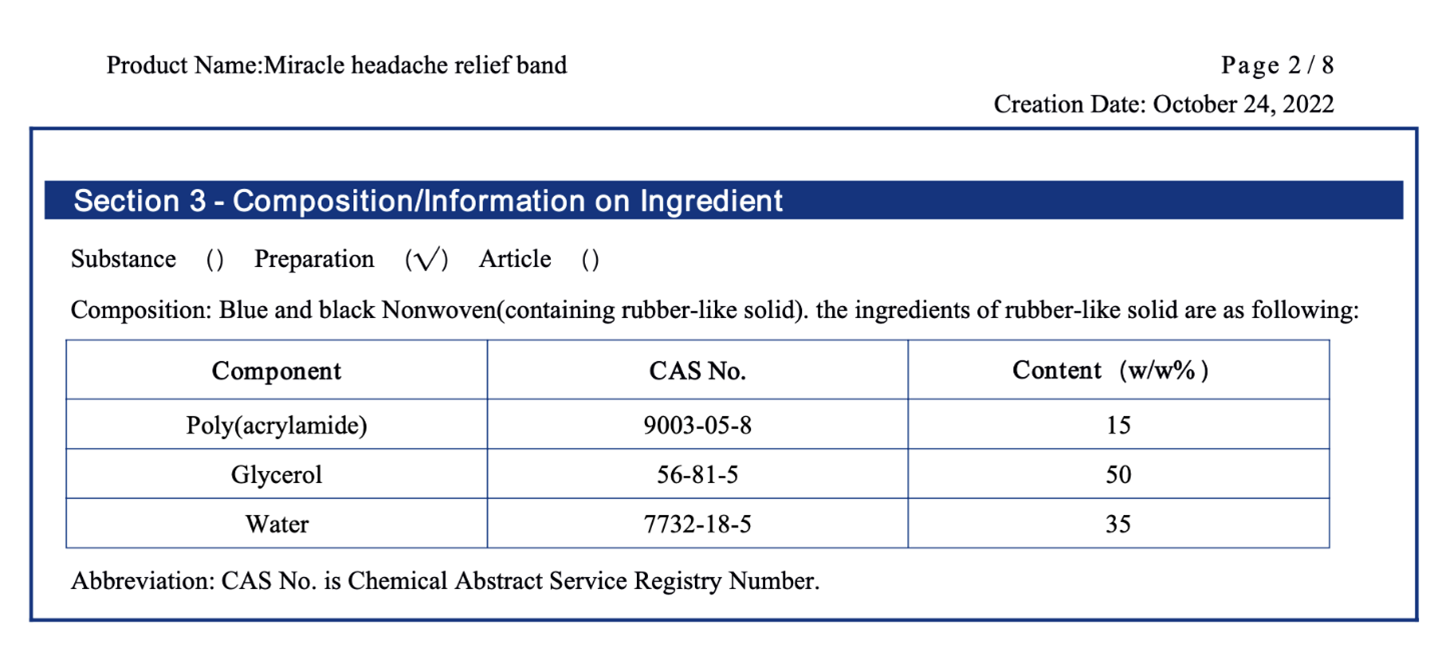
Figure 1: Manufacturer-provided Safety Data Sheet (SDS) listing constituents of the Miracle™ Headache Relief BandÒ hydrogel matrix.
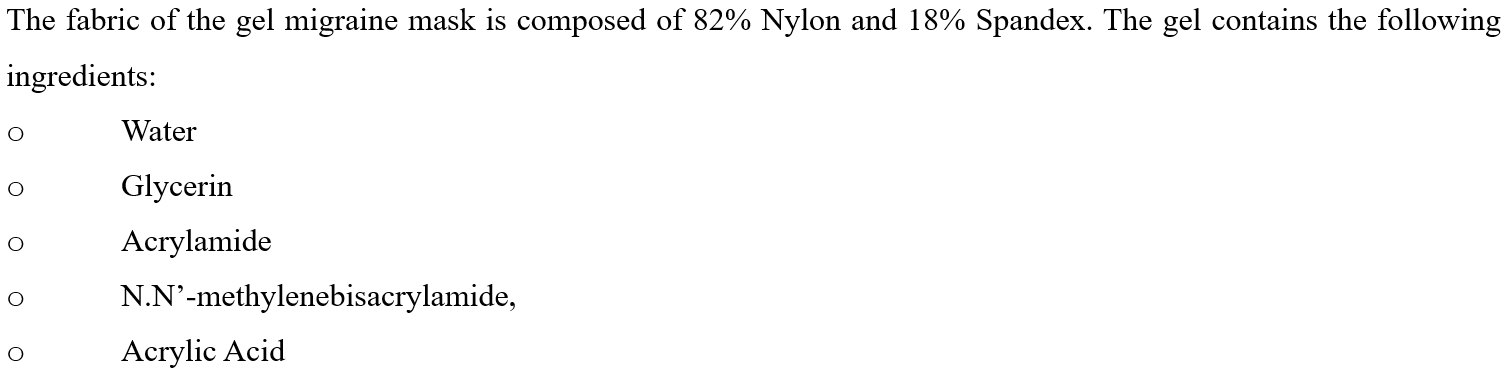
Figure 2: Publicly available ingredients provided by the manufacturer for TheraICE™ Headache Hat.
Methods
Case Selection and Data Collection
Cases were identified through retrospective review of a proprietary electronic medical database from PPH, a 24/7 international animal poison center located in Bloomington, Minnesota, USA. Pet Poison Helpline is staffed by veterinary assistants, credentialed veterinary technicians, licensed veterinarians, and board-certified specialists in general toxicology, veterinary toxicology, and internal medicine, with pharmacists and physicians available if needed.
Selected cases involved exposure to commercially available hydrogel-based products and were identified through review of consultations received between December 31, 2023 through December 31, 2025. Information collected from the database included patient signalment, exposure history, clinical signs, diagnostic findings, treatments, and clinical outcomes. Additional information was obtained from medical records provided by treating veterinary practices.
Analytical testing was performed to quantify residual acrylamide monomer in four hydrogel samples. Sample 1 consisted of an unused Miracle™ Headache Relief Band obtained from the same brand as the product implicated in cases 1a/1b. Samples 2 and 3 consisted of TheraICE™ headache hats; sample 2 was used according to manufacturer instructions (frozen for 3 hours and microwaved on low for 20 seconds), whereas Sample 3 was new and unused. Sample 4 consisted of hydrogel recovered from the patient in case 2 following ingestion of the TheraICE™ headache mask. Analysis results were shared with the respective companies.
Internal Standards and Working Solutions
Analysis was performed using unlabeled acrylamide and isotopically labeled Acrylamide-¹³C₃ standards. Acrylamide and Acrylamide-¹³C₃ standards were obtained from Cambridge Isotope Laboratories while higher-concentration quality control (QC) standards were obtained from Sigma-Aldrich. The internal standard solution of Acrylamide-¹³C₃ was serially diluted to obtain working solutions of 100, 10, and 1 µg/mL. Similarly, a neat acrylamide stock solution (1000 µg/mL) was diluted to prepare 100, 10, and 1 µg/mL working standards. A ten-point calibration curve (0.01–10 µg/mL) was prepared by spiking known quantities of acrylamide into LC-MS grade water to 1 mL. Each calibration standard was fortified with 50 µL of 1 µg/mL Acrylamide-¹³C₃ internal standard to achieve final internal standard concentration of 50 ng/mL. For QC spiking solutions, a 100 mg solid powder acrylamide standard was diluted to 1 mL with methanol to make a 100 mg/mL stock solution. This solution was further diluted by transferring 0.5 mL into a 5 mL volumetric flask and bringing to volume with methanol to produce a 10 mg/mL working solution. Additionally, a 50 mg aliquot of isotopically labeled Acrylamide-¹³C₃ was dissolved in 5 mL of methanol to prepare a 10 mg/mL working solution.
Sample Preparation
A 0.5 g portion of each of the four migraine relief gel headbands was weighed into separate 50 mL centrifuge tubes. Polyacrylamide powder was used as a negative control matrix and was confirmed to contain no detectable acrylamide. For QC samples, 0.5 g of polyacrylamide powder was placed into 50 mL centrifuge tubes. Three QC fortification levels were prepared in the polyacrylamide matrix at 200, 1000, and 4000 µg/mL acrylamide and included in each analytical batch. All samples were also fortified with 100 µL of a 10 mg/mL Acrylamide-¹³C₃ solution to achieve a final Internal Standard (IS) concentration equivalent to 2000 µg/g internal standard relative to the sample mass. Two metal ball bearings and 25 mL of LC-MS grade water were added to each tube. Samples were homogenized using a GenoGrinder at 750 rpm for 5 minutes. Following homogenization, the metal ball bearings were removed, and the samples were centrifuged at 829 x g using a JS-5.3 rotor (Beckman Coulter Avanti J-E centrifuge) for 5 minutes at 10°C. A 1 mL aliquot of the resulting supernatant was filtered through a 0.22 µm Polyethersulfone (PES) membrane syringe filter of which 10 µL was diluted to 1 mL in an autosampler vial prior to LC–MS/MS analysis. Method validation followed FDA level one: Emergency/Limited Use guidelines for chemical methods.
Instrument Parameters
Acrylamide analysis was performed using an Agilent 1290 Infinity HPLC coupled to an Agilent 6475 Triple Quadrupole LC/MS. For HPLC, separation was achieved on an Agilent Eclipse Plus C18 RRHD (2.1 × 100 mm, 1.8 µm) column. The mobile phases consisted of (A) 0.1% acetic acid in water and (B) 0.1% acetic acid in methanol. The HPLC gradient was held at 2% B from 0-7 minutes, ramped to 98% B at 8 minutes, then ramped down to 2% B at 13 minutes total run time. Flow rate was set to 0.150 mL/min with a 3 µL injection volume.
Mass spectrometry was conducted using positive electrospray ionization (ESI) with ultra-high purity nitrogen gas. Instrument parameters were as follows: gas temperature 320 °C; carrier gas flow 11 mL/min; nebulizer pressure 34 psi; capillary voltage 4000 V; sheath gas temperature 270 °C; sheath gas flow 10.5 mL/min; and nozzle voltage 1400 V. Detection employed Multiple Reaction Monitoring mode using the following transitions: m/z 72.1 → 55 (quantifier ion) and m/z 72.1 → 27 (qualifier ion). Internal standard transition was m/z 75.1 → 58. Collision voltage was set at 8 V for both acrylamide transitions and 25 V for the internal standard. A dwell time of 20 ms and a fragmentor voltage of 70 V were applied to all three transitions.
Quantitation
Positive identification and quantitation of acrylamide met the following criteria: analyte signal to noise (S/N) ratio , retention time within 0.2 minutes of acrylamide standard, ion ratio of quantifier to qualifier is ±20% that of the average ion ratio derived from the calibration curve, and calibration curve fitted with an equation and R2 ≥0.99 with all validated peak area ratios falling on the curve of constructed calibration curve. QC Spike recoveries were between 70 – 120%.
Results
Acrylamide was detected in all four hydrogel samples at concentrations exceeding the laboratory reporting limit of 400 ppm, defined as the lowest quantified concentration for the analytical method used. Measured acrylamide concentrations ranged from 3,600 to 13,000 ppm (0.36-1.3% w/w). The unused Miracle™ Headache Relief Compression Wrap contained 3,600 ppm acrylamide. Acrylamide concentrations of 13,000 ppm were identified in both unused and used TheraICE™ samples, whereas the hydrogel sample obtained from ingestion in case 2 contained 9,300 ppm (Figure 3).
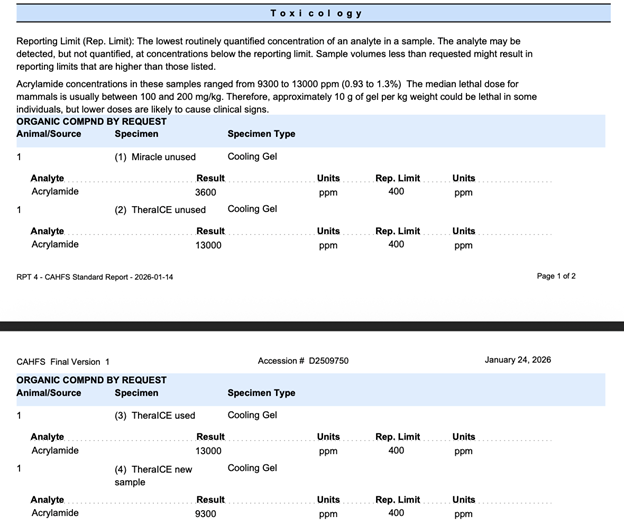
Figure 3: Quantitative analysis of acrylamide concentrations in hydrogel samples.
Acrylamide concentrations (ppm, w/w) measured in four hydrogel cooling wrap samples, including unused commercial products, a product used according to manufacturer instructions (frozen for 3 hours and microwaved at room temperature for 20 seconds), and a sample obtained from an exposed patient (Case 2). Measured concentrations ranged from 3,600 to 13,000 ppm. The reporting limit for acrylamide was 400 ppm.
Case Series
Case 1a:
A 1-year-old, 25kg, spayed female shar-pei presented approximately 8 hours after ingesting an unknown quantity of a commercially available hydrogel wrap (Table 1, Figure 1). Exposure occurred concurrently with another dog in the household (Case 1b). The owner reported a 4-hour history of vomiting, tremors, and dyskinesia prior to presentation. Physical exam findings included mental dullness, generalized tremors, hyperesthesia, dyskinesia, panting, cluster seizures, and marked tachycardia. Vital parameters were temperature 103.8°F/39.9°C, heartrate (HR) 200-300 beats/min, and blood pressure 140/87 mmHg.
Pet Poison HelplineÒ was consulted and recommendations included symptomatic and supportive management with baseline diagnostics consisting of a complete blood count, serum chemistry panel with electrolytes, urinalysis, venous blood gas analysis, and blood glucose and ECG monitoring. Treatment included two 500 mL IV fluid boluses followed by intravenous balanced crystalloid fluids administered at 4.8 mL/kg/hr, which was subsequently increased to 8 mL/kg/hr, maropitant 1 mg/kg IV, methocarbamol 20mg/kg IV, propranolol 0.02mg/kg IV, acepromazine 0.04mg/kg IV. Propofol was administered at 1.2mg/kg IV for seizures.
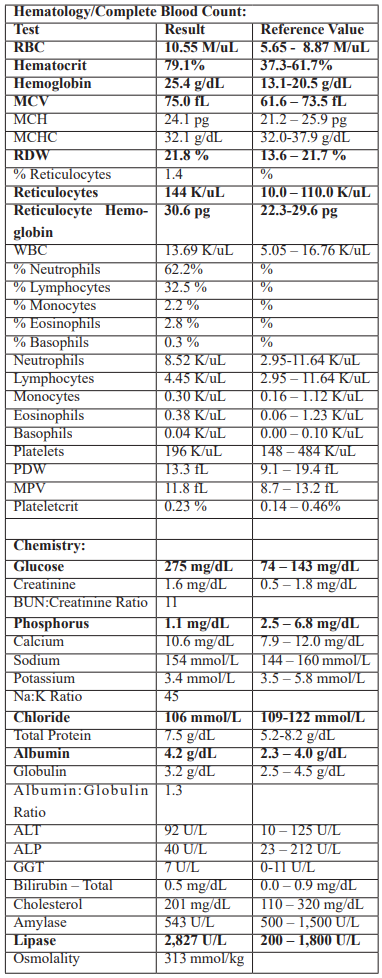
Clinicopathologic abnormalities (Table 2) included marked hemoconcentration, reticulocytosis, and leukocytosis with neutrophilia and lymphocytosis. Biochemical abnormalities included hyperglycemia, hypophosphatemia, increased alanine aminotransferase (ALT), and marked elevated lipase. A 12-panel urine drug immunoassay screen designed for human use yielded negative results. Serial blood glucose measurements obtained approximately 20 minutes apart were 134 mg/dL and 158 mg/dL. Urinalysis abnormalities (Table 3) included proteinuria, glucosuria, hematuria, and pyuria with suspected bacteriuria.
The patient developed cardiopulmonary arrest approximately 11 hours following ingestion and Cardiopulmonary Resuscitation (CPR) was initiated, resulting in a temporary return of spontaneous circulation. However, a second cardiopulmonary arrest occurred shortly thereafter and the dog expired. Atropine 0.054 mg/kg IV and epinephrine 0.08mg/kg IV were administered during both resuscitation events.
Case 1b:
A 4-year-old, 32.98 kg, spayed female mixed-breed dog from the same household as case 1a presented approximately 8 hours after ingestion of the same product. The patient had a 4-hour history of vomiting with expulsion of a substantial, but unquantifiable, portion of the ingested material.
On admission, the patient was dull with generalized tremors, hyperesthesia, dyskinesia, panting, tachycardia, and having cluster seizures. Vital parameters included temperature 101.2°F/37.9°C, HR 220 beats/min, and blood pressure 164/146 mmHg (MAP 151 mmHg).
Initial therapy consisted of an IV bolus of LRS followed by IV balanced crystalloid fluids administered at 4.8 mL/kg/hr; fluids were subsequently increased to 10.6 mL/kg/hr. Other medications included maropitant 1 mg/kg IV, methocarbamol 15.2 mg/kg IV, propranolol 0.02 mg/kg IV, and acepromazine 0.03 mg/kg IV. Levetiracetam 30.3 mg/kg IV and propofol 1.2 mg/kg IV with an additional 1.8 mg/kg IV were administered for anticonvulsant therapy.
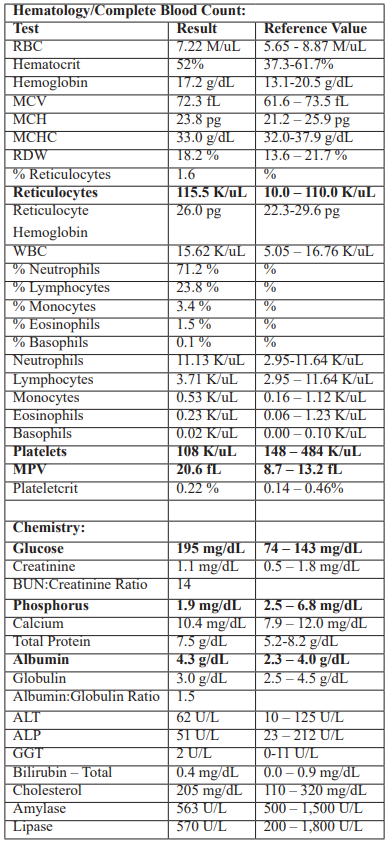
Clinicopathologic abnormalities (Table 4) included marked hemoconcentration and reticulocytosis. Biochemical abnormalities included marked hyperglycemia, hypophosphatemia, hypokalemia, hypochloremia, hyperalbuminemia, and elevation in lipase.
Approximately 14 hours following exposure, the patient developed cardiopulmonary arrest; CPR was initiated and atropine 0.01 mg/kg IV was administered, resulting in temporary return of spontaneous circulation. Gastric decompression via orogastric intubation yielded approximately 200-500 mL of yellow fluid. The patient remained comatose with intermittent seizures despite continued anticonvulsant and supportive therapy, and humane euthanasia was ultimately elected by the owners.
Case 2:
A 1-year-old, 6.1 kg, spayed female, cavalier King Charles spaniel presented to a veterinary hospital approximately 1.5 to 8 hours following ingestion of a hydrogel-containing migraine mask (Table 1, Figure 2). Clinical signs reported prior to presentation included multiple episodes of vomiting with recovery of some mask material, recumbency, hyporexia, decreased water intake, trembling, pale gums, and a grand-mal seizure.
Upon presentation, the patient exhibited generalized intentional tremors, tachycardia and tachypnea. Vital parameters included a temperature of 101.2°F/38.4°C, HR of 190 beats/min, and respiratory rate of 40 breaths/min.
Pet Poison HelplineÒ recommended symptomatic and supportive management, with diagnostics including complete blood count, serum chemistry panel with electrolytes, and venous blood gas profile. Treatment consisted of intravenous fluid therapy with Plasma-Lyte supplemented with 60 mEq/L potassium chloride administered at 4.1 mL/kg/hr. . Additional therapies included maropitant 1 mg/kg IV, propranolol 0.02-0.08 mg/kg IV, methocarbamol 31.6-56.9 mg/kg IV bolus with a continuous rate infusion titrated to 10-20 mg/kg/hr, N-acetylcysteine 136 mg/kg IV loading dose followed by 70 mg/kg IV, ascorbic acid 20 mg/kg IV, SAMe/Silymarin 225 mg/24 mg PO (Denamarin®), vitamin B complex 1 mL IV, and a single bolus of 50% Dextrose diluted 1:4 with saline administered for hypoglycemia. Midazolam 0.2-0.32 mg/kg IV and levetiracetam 30 mg/kg IV loading dose followed by 40 mg/kg IV were administered for seizure control.
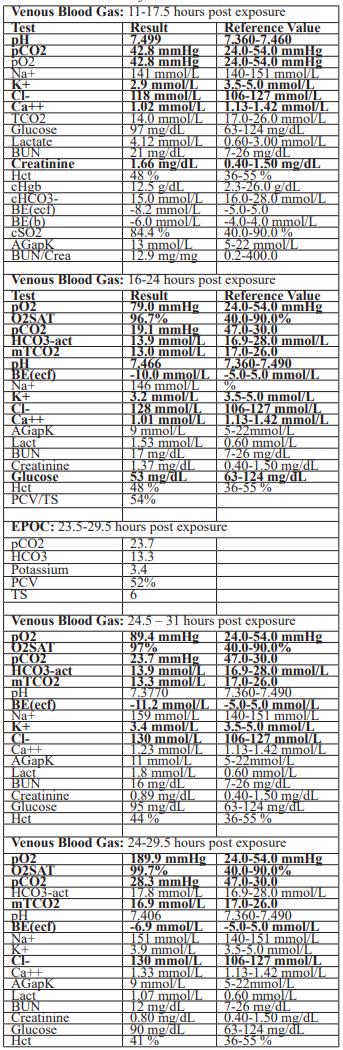
Clinical pathologic abnormalities (Table 5a) included hemoconcentration, reticulocytosis, thrombocytopenia, hyperglycemia, hypophosphatemia, and hyperalbuminemia. Blood gas analysis (Table 5b) revealed metabolic acidosis with an increased anion gap and marked hyperlactatemia, with subsequent fluctuations in acid-base status and electrolytes.
Neurologic status progressively deteriorated over 34 hours, characterized by worsening tremors, anxiety, obtundation, inappropriate mentation, and two grand-mal seizures. Despite intensive management, the patient experienced continued neurologic and cardiovascular decline, and humane euthanasia was elected approximately 60 hours following exposure.
Table 1: Manufacturer-reported hydrogel constituents for implicated cooling masks.

*Constituents obtained from publicly available manufacturer product information in the absence of an available SDS
Table 2: Complete blood count and serum biochemical analysis findings for Case 1a.
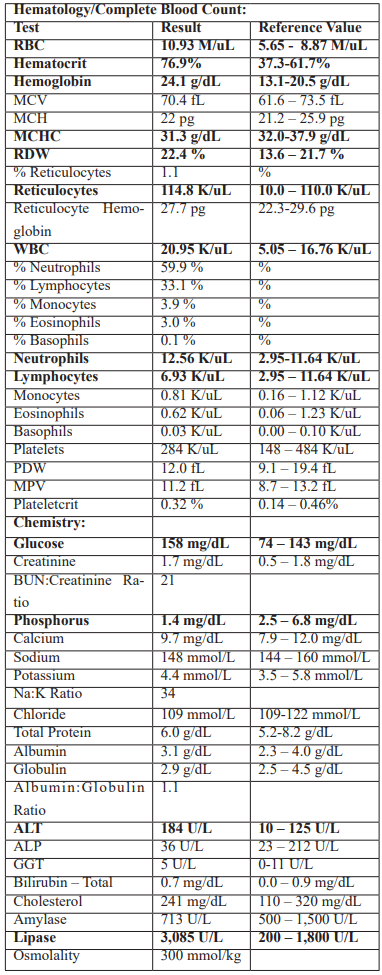
*Bold indices indicate results outside the laboratory reference interval
Table 3: Urinalysis findings for Case 1a.
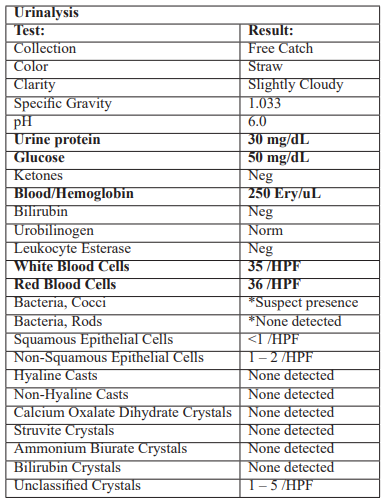
*Bold indices represent abnormalities identified by the reference laboratory
Table 4: Complete blood count, serum biochemical, electrolyte, and venous blood gas findings for Case 1b.
*Bold indices indicate results outside the laboratory reference interval
Table 5A: Complete blood count and serum biochemistry findings for Case 2.
*Bold indices indicate results outside the laboratory reference interval
Table 5B: Serial venous blood gas and electrolytes findings for Case 2.
Discussion
Canine patients in this case series developed a rapidly progressing neurologic syndrome after ingestion of a hydrogel product labeled with polyacrylamide or monomers used in polyacrylamide synthesis. The clinical course was similar across cases, beginning with vomiting and progressing to abnormal mentation, hyperesthesia, tremors, ataxia, seizures, and death; all previously described in experimental and clinical toxicology literature following acrylamide exposure.
Quantitative analysis of three hydrogel products identified acrylamide concentrations ranging from 3,600 to 13,000 ppm (0.36-1.3% w/w), far exceeding concentrations considered acceptable in regulated polyacrylamide-containing materials. At the concentrations identified in this case series, ingestion of relatively small amounts of this gel could result in toxic or lethal doses. Mild neurologic effects, including ataxia, gait abnormalities, and tremors have been described in cats at doses of 65 mg/kg, with significant neurologic effects, including seizures, and death reported at 100-200 mg/kg in both cats and nonhuman primates, and 100-150 mg/kg in rats.6,7 Although the exact ingested doses could not be determined in the present case series, quantitative analysis of the hydrogel formulations suggest exposures substantially exceeding doses associated with neurologic signs, consistent with the severe clinical signs observed in these cases.
Clinical findings in the dogs were consistent with acute acrylamide toxicosis reported in both human and veterinary literature, including dull mentation, seizures, ataxia, tremors, and paresis [6,9,10]. Similar clinical findings have been reported following canine exposure to hydrogel-containing products. In one report, a dog developed significant neurologic signs after ingestion of the contents of hydrogel in a cooling mat; the same study also included experimental rodent exposure to the implicated hydrogel, which produced comparable neurologic abnormalities [9]. Additionally, dogs exposed to acrylamide-contaminated burned porridge developed fatal neurologic signs,10 further supporting acrylamide as the likely causative toxicant.
Evaluation of other product ingredients exclude other plausible causes. Glycerol has a wide margin of safety and is typically associated with osmotic gastrointestinal effects at high doses. Similarly, polyacrylamide alone has a low acute toxicity due to its high molecular weight and low bioavailability. Toxicologic concern for polyacrylamide containing products is not with the polymer itself, but residual acrylamide monomer remaining after incomplete polymerization [8]. In contrast, acrylamide is a well-established neurotoxin capable of crossing the blood-brain barrier, making it the most plausible cause of the observed syndrome.
Acrylamide-induced neurotoxicity is thought to involve oxidative stress through glutathione depletion [6], interference with neurotransmission leading to reduced levels of acetylcholine, dopamine, and norepinephrine [11], and axonal injury marked by distal terminal axonal degeneration over time [12]. Although the exact pathways remain incompletely defined, the combined effects of oxidative injury and impaired neuronal signaling provide a coherent explanation for the observed clinical findings in this case series.
Clinicopathologic abnormalities (Tables 2-5) observed in this case series were largely nonspecific but consistent with systemic stress in critically ill, dehydrated veterinary patients experiencing oxidative cellular damage. Common abnormalities included hemoconcentration, hyperglycemia, electrolyte derangements, elevations in ALT, lipase, and acid-base disturbances. Similar nonspecific metabolic abnormalities may occur secondary to neurologic disease and critical illness and are not considered pathognomonic for acrylamide intoxication.
There is currently no specific antidote for acrylamide toxicosis; therefore, treatment is primarily supportive and focused on limiting secondary injury. Because oxidative stress is a principal mechanism underlying acrylamide induced cellular injury, therapeutic management described in the literature has focused primarily on antioxidant and neuroprotective interventions. Antioxidant therapies such as N-Acetylcysteine (NAC) has been proposed to replenish depleted glutathione stores [13], while silymarin may provide additional antioxidant effects [13]. Several vitamins have also been investigated, including vitamin B6 (pyridoxine), which has been shown to delay onset and reduce severity of acrylamide-induced neurotoxicity [14], vitamin B12 which may minimize neuronal injury [15], and vitamin C for its role in reducing oxidative stress and supporting cellular defense mechanisms [13]. Other agents investigated for potential benefit in acrylamide toxicosis include azithromycin [16], quercetin [17], and melatonin [18], all of which possess antioxidant and anti-inflammatory properties. In addition to targeted antioxidant therapies, supportive care is essential. Given the potential for persistent neurologic sequelae, prolonged monitoring and long-term supportive care may be required.
Overall, the clinical and analytical findings support residual acrylamide as the most likely cause of toxicosis in these veterinary patients. Although these products are labeled as polyacrylamide-based, they may contain appreciable residual acrylamide and represent the primary toxic hazard following ingestion. This distinction is clinically important, as assuming low risk based solely on labeled components may underestimate the potential for severe or fatal poisoning.
Conclusion
Acrylamide is expected to be present at very low residual concentrations, if at all, in properly manufactured polyacrylamide hydrogels due to polymerization and post-processing purification. However, these cases highlight the concern that exposure to products containing polyacrylamide-based materials may still pose a risk when ingested, even in small exposures when a higher concentration residual monomer content is unknown or insufficiently regulated. These findings underscore the urgent need for standardized regulatory limits for residual acrylamide in consumer hydrogel products, improved package labeling and greater availability of comprehensive SDS. Further investigation is needed to characterize residual acrylamide concentrations across commercially available products, define toxicokinetics following ingestion, identify optimal treatment recommendations, and better understand species-specific susceptibility. Collectively, these efforts are essential to reduce risk and improve clinical preparedness for future exposures.
References
- Shah Nihar. Formulation and Development of Hydrogel for Poly Acrylamide-Co-Acrylic acid. J Pharm Sci Biosci Res, 2014; 4(1): 114–120.
- Sennakesavan G, Mostakhdemin M, Dkhar LK, Seyfoddin A, Fatihhi SJ. Acrylic acid/acrylamide based hydrogels and its properties - A review. Polymer Degradation and Stability, 2020; 180: 109308. doi: 10.1016/j.polymdegradstab.2020.109308.
- Bol’shakov AI, Kuzina SI, Kiryukhin DP. Spontaneous polymerization of acrylamide in glycerol: Active centers and specific features. Polym Sci Ser A, 2008; 50(10): 1045–1051. doi:10.1134/S0965545X08100040
- Amended Final Report on the Safety Assessment of Polyacrylamide and Acrylamide Residues in Cosmetics1. Int J Toxicol, 2005; 24(2_suppl): 21–50. doi:10.1080/10915810590953842.
- U.S. Environmental Protection Agency. Support document for the fourth six-year review of drinking water regulations for acrylamide and epichlorohydrin. Washington, DC: U.S> Environmental Protection Agency; 2024. Report EPA 815-R-24-023.
- Yamamoto R, Yasuoka T, Matsushima J, Tsubouchi Y, Kanazashi H, Sakurai K, et al. Acute acrylamide poisoning with severe symptoms in a short time: a case report. Int J Emerg Med, 2023; 16(1): 41. doi: 10.1186/s12245-023-00514-z.
- Hashimoto K. The toxicity of acrylamide (author’s transl). Sangyo Igaku, 1980; 22(4): 233–248. doi: 10.1539/joh1959.22.233
- Li WW, Li H, Liu ZF, Qiao Q. Determination of Residual Acrylamide in Medical Polyacrylamide Hydrogel by High Performance Liquid Chromatography tandem Mass Spectroscopy. Biomed EnvironSci, 2009; 22(1): 28–31. doi: 10.1016/S0895-3988(09)60018-0.
- Dorman DC, Foster ML, Olesnevich B, Bolon B, Castel A, Sokolsky-Papkov M, et al. Toxicity associated with ingestion of a polyacrylic acid hydrogel dog pad. J Vet Diagn Invest, 2018; 30(5): 708–714. doi: 10.1177/1040638718782583.
- Le Roux-Pullen L, Lessing D. Should veterinarians consider acrylamide that potentially occurs in starch-rich foodstuffs as a neurotoxin in dogs? J S Afr Vet Assoc, 2011; 82(2): 129–130. doi: 10.4102/jsava.v82i2.47.
- Kopańska M, Łagowska A, Kuduk B, Banaś-Ząbczyk A. Acrylamide Neurotoxicity as a Possible Factor Responsible for Inflammation in the Cholinergic Nervous System. Int J Mol Sci, 2022; 23(4): 2030. doi: 10.3390/ijms23042030.
- Souyri F, Chretien M, Droz B. ‘Acrylamide-induced’ neuropathy and impairment of axonal transport of proteins. I. Multifocal retention of fast transported proteins at the periphery of axons as revealed by light microscope radioautography. Brain Research, 1981; 205(1): 1–13. doi:10.1016/0006-8993(81)90715-0.
- Kacar S, Sahinturk V. The Protective Agents Used against Acrylamide Toxicity: An In Vitro Cell Culture Study-Based Review. Cell J, 2021; 23(4): 367–381. doi:10.22074/cellj.2021.7286.
- Loeb AL, Anderson RJ. Antagonism of acrylamide neurotoxicity by supplementation with vitamin B6. Neurotoxicology, 1981; 2(4): 625–633.
- Abdel-Moaty ZN, Ali RA, AbdelFattah RM, Galal AT, El-Nahas S, Abd Elhameed BT, et al. Impact of acrylamide on postnatal developmental changes in the cerebellum of albino rat offspring and the potential ameliorative effects of nanohydroxyapatite and vitamin B12. SVU-Int J of Med Sci, 2025; 8(2): 415–439. doi: 10.21608/svuijm.2025.409665.2229.
- Fazeli Kakhki H, Ghasemzadeh Rahbardar M, Razavi BM, Heidari MR, Hosseinzadeh H. Preventive and therapeutic effects of azithromycin on acrylamide-induced neurotoxicity in rats. Neurotoxicology, 2024; 100: 47–54. doi: 10.1016/j.neuro.2023.11.011.
- Uthra C, Shrivastava S, Jaswal A, Sinha N, Reshi MohdS, Shukla S. Therapeutic potential of quercetin against acrylamide induced toxicity in rats. BiomedPharmacotherapy, 2017; 86: 705–714. doi: 10.1016/j.biopha.2016.12.065.
- Dag Y, Yildirim S, Sengul E, Aykurt F, Gok M, Cinar A. Therapeutic role of melatonin on acrylamide-induced neurotoxicity via reducing ER stress, inflammation, and apoptosis in a rat model. BMC Pharmacol Toxicol, 2025; 26(1): 57. doi: 10.1186/s40360-025-00900-8.