
Email id: info@ijclinmedcasereports.com
Diagnostics and Target Values for LDL-C Reduction After Acute Ischemic Stroke – An Ongoing Debate
Norma J Diel1 and Julia Koehn2,*
1Department of Neurology, Faculty of Medicine and University Hospital Carl Gustav Carus, Technische Universität Dresden, Dresden, Germany
2Department of Neurology, ANregiomed, Ansbach, Germany
Received Date: 15/03/2026; Published Date: 20/05/2026
*Corresponding author: Dr. med. Julia Koehn, Dept. of Neurology, ANregiomed, Escherichstr. 1, 91522 Ansbach, Germany
Abstract
Over the past decades, a certain standard has been established for lipid metabolism management in secondary prevention after cardio- and cerebrovascular events. Lipid profiles are determined, atherosclerotic disease burdens are diagnosed and quantified, lifestyle interventions are recommended and, if necessary, lipid-lowering therapy is initiated. In ischemic stroke medicine, this usually happens within the acute phase, when, among other things, future LDL-C target values are recommended based on guidelines. However, this algorithm does not routinely result in follow-up checks or further escalation of therapy. At the same time, the target value paradigm has been shifting towards ever lower LDL-C levels over the years. For patients after an ischemic stroke, ESC/EAS ‘Guidelines for the management of dyslipidemias’ currently recommend an LDL-C of <55mg/dL (1.4mmol/L) to prevent a recurrent stroke and reduce the risk of further cardiovascular events. According to international guideline for secondary stroke prevention, the current target values are <70mg/dL (1.8mmol/L), with ongoing debate about further tightening the target. This development represents a plausible principle of prevention: the lower the atherogenic lipid load, the lower the event rate. At the same time, in clinical routine, it creates tension between (i) a consistent, target-oriented strategy with necessary follow-ups and therapy escalation and (ii) a pragmatic ‘fire-and-forget’ strategy without costly after-care. However, consequences in the event of failure to achieve target values are subject of controversial discussions, particularly in the field of health economics. This article takes up this debate, reviews the evidence for target-oriented LDL-C reduction, and highlights limitations and systemic barriers.
Keywords: LDL-C; Cardiovascular risk factors; Ischemic stroke; Secondary prevention
Abbreviations: MACE: Major adverse cardiac and cerebrovascular events; LDL-C: Low-Density Lipoprotein Cholesterol
Pros: Evidence and plausibility of target-oriented LDL-C reduction after ischemic stroke
Research on lipid reduction shows a clear trend towards growing diagnostic and therapeutic significance in the field of cerebro- and cardiovascular prevention. Forty years ago (1985), Brown and Goldstein received the Nobel Prize for their description of the regulation of cholesterol metabolism and the LDL receptor, Figure 1. One of the most clinically significant implications of this fundamental work was the discovery that body cells require only minimal amounts of low-density lipoprotein cholesterol (LDL-C). Physiological concentrations are reported to range between 25–60 mg/dl, and even newborns, in the most relevant phase of growth and development, have LDL-C levels of about 20–40 mg/dl. Concerns that extremely reduced concentrations could be unphysiological or even dangerous were thus refuted. In contrast, untreated LDL-C levels in industrialized societies are significantly higher; for example, values of around 120 mg/dl are cited for average adult US Americans. According to population-based data (Heart Disease and Stroke Statistics, Global Burden of Disease), the American Heart Association concluded in its 2021 report that around 87% of all strokes are attributable to modifiable risk factors, with hyperlipidaemia presumably being one of the most important [1].
Studies investigating the benefits and importance of lipid-lowering interventions started in cardiology. In 1994, the Scandinavian Simvastatin Survival Study (4S) demonstrated the benefits of statins in secondary prevention in a large cohort of 4,444 patients, with a reduction in recurrent cardiovascular events and overall mortality, including an absolute risk reduction for death within three years of 3.3% [2]. By the time of the meta-analysis by the Cholesterol Treatment Trialists' (CTT) Collaboration, the link between LDL-C reduction and adverse event reduction had been proven on a scale that had a lasting impact on clinical guidelines: In randomized studies involving over 170,000 patients, secondary prevention showed an approximately 20% reduction in serious cardiovascular events per every 1 mmol/l reduction in LDL-C [3]. This relationship was often interpreted as a ‘dose-like’ effect: the greater the reduction in LDL-C, the greater the average benefit.
Over the years, data became available that demonstrated a particular benefit for patients who had suffered an ischemic stroke or TIA. In 2002, the HPS study was the first study to investigate the effect of statins in secondary prevention for high-risk patients, including over 3,000 patients who had already suffered an ischemic stroke. The administration of 40 mg simvastatin resulted in significantly fewer cardiovascular events compared to placebo. Although no significant reduction in the risk of recurrent strokes could be demonstrated, the therapy received FDA approval for secondary stroke prevention [4]. A few years later, the SPARCL study involving nearly 4,731 patients who had suffered an ischemic stroke or TIA showed a relative reduction in the risk of recurrent strokes of 16% and a reduction in the risk of fatal strokes of 43% through intensive LDL-C reduction [5]. Statins were subsequently included in the guidelines for secondary stroke prevention. However, the mean LDL-C concentration in the intervention study was still 73 mg/dl. This aspect raised the question whether a more significant LDL-C reduction could usher further benefits. A study on the benefits of statin treatment in primary prevention (JUPITER study) showed that rosuvastatin reduced a composite of cardiovascular death, myocardial infarction, stroke, arterial revascularization, and unstable angina by 44% (HR: 0.56, 95% CI: 0.46 to 0.69; p < 0.0001) [6]. The results of a secondary analysis suggested that even among participants who achieved LDL-C < 50 mg/dl, there were no more frequent adverse side effects [7]. Such results supported the clinical acceptance of low LDL-C levels and shifted the risk-benefit balance in favour of more ambitious targets. The positive results for primary prevention were confirmed in the HOPE-3 study, among others [8].
The decisive step towards targeted diagnostics and therapy came with add-on therapies. In IMPROVE-IT, the combination of statin and ezetimibe led to mean LDL-C levels of around 50 mg/dl and was associated with a significant reduction in ischemic strokes (21% risk reduction) compared with statin monotherapy [9]. In a secondary analysis of the subgroup with a previous stroke (3.5%, = 641), an even more pronounced risk reduction of 40% for recurrent stroke was shown (HR, 0.60; 95% CI, 0.38–0.95; p = 0.030), and in this subgroup, too, the average LDL-C level achieved was 51 mg/dl [10]. Consequently, studies were designed that did not primarily compare a drug vs placebo, but rather LDL-C target levels with each other. In 2020, the Treat Stroke to Target (TST) study showed an advantage for an LDL-C target of < 70 mg/dl compared to 90 mg/dl in terms of major adverse cardiac and cerebrovascular events (MACE) (HR 0.78; 95% CI 0.61–0.98) in a French and Korean cohort after a median of 3.5 years [11]. Several secondary analyses provide additional evidence for the target value strategy: In the French subgroup, assignment to the < 70 mg/dl group prevented the occurrence of a major vascular event in one of four patients after 5.3 years (number needed to treat: 30) without increasing the risk of intracranial haemorrhage [12]. In a subgroup of over 300 patients who underwent ultrasound follow-up, the lower target of < 70 mg/dl led to greater regression of intima-media thickness (difference of −7.84 µm after 3.1 years; 95% CI, −13.18 to −2.51; p = 0.004), yet, without reducing the incidence of new carotid plaques [13]. A further sub-analysis of the < 70 mg group, demonstrated that the benefit in terms of the primary outcome (MACE) was only present in the subgroup receiving ezetimibe (dual therapy + low LDL-C vs. higher LDL-C) [14]. Interestingly, a final evaluation showed that the benefit was more pronounced when there was a reduction of > 50% in the 70 mg group (hazard ratio, 0.61; 95% CI, 0.43–0.88; p = 0.007) compared to a small reduction from baseline of < 50% in LDL-C (hazard ratio, 0.96; 95% CI, 0.73–1.26; p = 0.75) [15].
Such significant relative reductions in LDL-C concentrations were achieved with the new PCSK9 inhibitors. In the randomised FOURIER study (n = 27,564 patients with atherosclerotic cardiovascular disease and LDL-C > 70 mg/dl), the use of evolocumab led to a 59% LDL-C reduction to an average of 30 mg/dl after just under a year and was associated with a reduction in the risk of MACE after 2.2 years (0.85; 95% CI 0.79 to 0.92; p < 0.001) [16]. In the ODYSSEY OUTCOMES study, alirocumab was compared with placebo in 18,924 patients who had experienced acute coronary syndrome (1–12 months prior, 3.2% post-stroke) and LDL-C > 70 mg/dl. After 2.8 years a 55% reduction in LDL-C to an average of 53mg/dl was diagnosed and suggested to be protective against cardiovascular events (hazard ratio, 0.85; 95% CI 0.78 to 0.93; p < 0.001) [17]. Finally, a propensity score-matched secondary analysis of ODYSSEY OUTCOMES had shown that a more significant reduction to < 25 mg/dl compared to a reduction to 25 to 50 mg/dl was not associated with a more prominent risk reduction [18].
This collective evidence was already incorporated into the European guidelines for cardiology in 2019. The position was as follows: In patients with a > 20% probability of suffering a recurrent event within the next 10 years (high-risk patients), LDL-C levels < 55 mg/dl should be targeted as secondary prophylaxis. Even when exclusively looking at ischemic stroke, a meta-analysis of randomised studies involving 20,163 patients concluded that there are benefits of more intensive LDL-C reduction, but this was probably only the case in patients with existing atherosclerosis [19]. However, the German national neurological guideline currently only states that a target value of < 70 mg/dl should be aspired to in patients with ischaemic stroke; no further specifications are made for high-risk patients, but reference is made to other care guidelines. Overall, there seems to be a lot of evidence in favour of extensive, target-oriented lipid reduction including the full diagnostic protocol. LDL-C reduction has been proven beneficial in numerous RCTs with relevant results, and modern combination therapies finally allow for achieving lower target ranges. All major studies point towards a good safety profile.
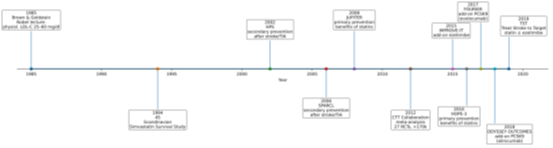
Figure 1: Milestones in the development of evidence favoring lipid reduction.
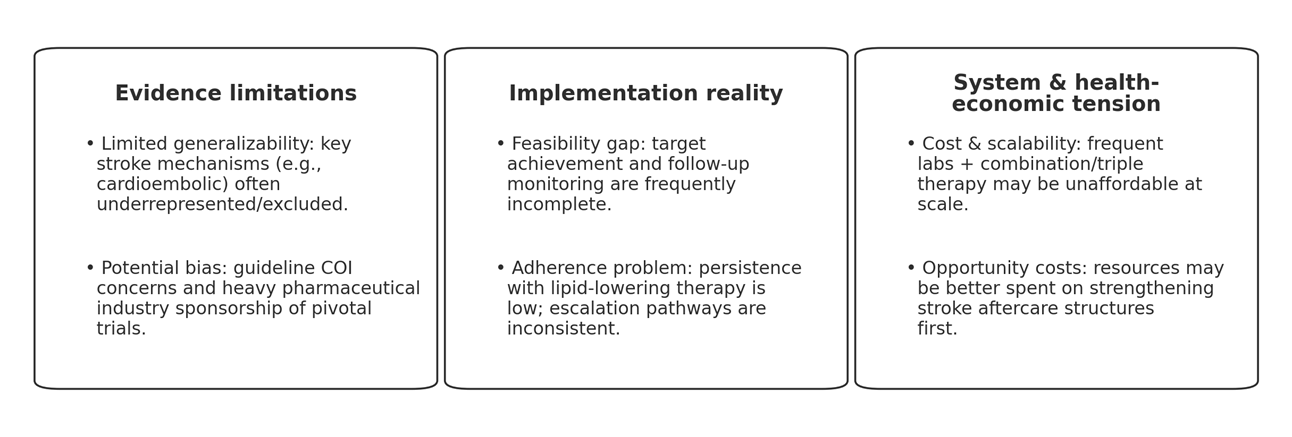
Figure 2. Limitations and key criticisms of the evidence forming the basis for LDL-C target-oriented therapy after ischemic stroke.
Cons: Limitations of evidence, implementation realities, and health economic tensions
Without a doubt, a strict target-oriented reduction in LDL-C seems plausible for many patients, especially after ischemic stroke. The overview of the accumulated evidence and its development quickly suggests that aiming towards the lowest possible target value is desirable. However, on closer inspection, limitations of the available evidence become evident, and the fact gets unleashed that the basis for indicating a low target value remains unclear (Figure 2). One primary problem is the limited generalizability of many study populations. For example, patients with cardioembolic infarction, one of the most common causes of ischemic stroke, were excluded from the large statin studies cited. It therefore remains unclear to what extent the observed effects are transferable to the heterogeneous reality of stroke units, where mechanisms, comorbidities and competing risk factors vary greatly. Critics, however, express even more fundamental reservations: among other things, they point towards possible conflicts of interest in the development of guidelines [20]. Furthermore, almost all major trials on LDL-C reduction were funded by the pharmaceutical industry - a fact that should warrant caution. Looking back, it is striking that with every new lipid-lowering drug on the market, most recently PCSK9 inhibitors, target values have been lowered remarkably quickly without the evidence being truly robust. The crucial question is therefore not whether LDL-C reduction works (this is well documented), but whether the evidence for ever lower target values in ever broader populations is strong enough to derive a binding, comprehensive escalation logic including all diagnostic and therapeutic consequences from it.
Whether a target-controlled strategy is superior to fixed-dose therapy is a matter of controversy. The often-cited ‘Treat Stroke to Target’ study, for example, compared two different target values, but not target value therapy versus fixed-dose therapy. Strictly speaking, it therefore does not answer the question of care that is often crucial in everyday life: do we need repeated laboratory checks and algorithmic escalation for everyone, or is standardised high-intensity statin therapy with selective monitoring sufficient? In this regard, the TST study is also sobering in terms of its implementation reality, as one third of participants dropped out prematurely, and less than half of the remaining participants achieved the target value [11]. Although the recently established PCSK9 inhibitors lower LDL-C levels impressively, the reduction in clinical events lags significantly behind this effect. In practice, this might be perceived as ‘lots of effort for moderate benefit’. Finally, this aspect brings the core health economic conflict into focus. Regardless of all possible biases and conflicts of interest, it is necessary to consider what consistent, comprehensive target value therapy would imply. According to forecasts, four out of five high-risk patients would require triple lipid-lowering therapy [21], entailing immense costs correspondingly. On the other hand, polypharmacy undoubtedly increases the risk of interactions and side effects, especially in the typical stroke patient population, i.e. elderly, sometimes multimorbid individuals. Therefore, the question arises whether these risks should be taken as long as there is no better evidence on the benefits? Furthermore, there are also practical problems: implementation is usually the responsibility of general practitioners and outpatient care providers. Physicians complain that strict LDL-C target titration is hardly feasible in everyday practice. Growing patient numbers, rising laboratory costs and scarce resources are overburdening healthcare and the health system. At the same time, the new therapies are comparatively expensive. Financial resources are urgently needed in many areas, such as general practice care or structured aftercare programs, which might bring about more immediate benefits for many patients but are less prominently proven in large, randomised studies. It can certainly be admitted that stroke aftercare in general is in need of improvement, even in many industrialized countries such as Germany [22]. Structural deficits, lack of coordination and poor adherence might be deducted priorities. These issues may potentially be addressed in more resource-efficient manners before stricter LDL-C target values are enforced, which, according to current evidence, seem desirable in reality but difficult to implement.
Conclusion: Economic considerations on the current medical care situation
Looking at the data, with major conflicts of interest and huge economic problems, lipid management in secondary stroke prevention faces a real dilemma. Even though the evidence suggests that intensified diagnostics, i.e. check-ups and management of LDL-C levels after an ischemic stroke may imply benefits, in practice, there's a lack of therapeutic consistency when health economic structures don't allow to reach targeted goals. Staff in specialised stroke clinics in particular need to be aware of the difficulties and limitations of implementing theoretical target values in outpatient practice when making treatment recommendations. With limited resources, clear strategies must be developed to determine which stroke patients should receive escalated treatment in order to achieve the lower LDL-C values. Approaches to identifying patients with genetic risk factors (FOURIER trial) appear promising in this regard [23]. In addition, the supply situation for statin therapy, which is comparatively inexpensive, should be improved. On the one hand, therapy adherence to statins is currently alarmingly low: almost a third of patients stop taking lipid-lowering medication within the first year [24]. At the same time, it is speculated that there is widespread overuse of statin therapy in patients who do not actually have a clear indication for its use [25]. Therefore, one might conclude that, structures to implement established, cost-effective basic therapies, i.e. statins, supplemented by ezetimibe where appropriate, should be improved more reliably before precise target values are discussed.
Author Contributions: Conceptualization, J.K. and N.D.; writing-original draft preparation, J.K. and N.D. Both authors have read and agreed to the published version of the manuscript.
Funding: This research received no external funding.
Acknowledgments: None.
Conflicts of Interest: The authors declare no conflicts of interest.
References
- Virani SS, Alonso A, Aparicio HJ, Benjamin EJ, Bittencourt MS, Callaway CW, et al. Heart Disease and Stroke Statistics-2021 Update: A Report From the American Heart Association. Circulation, 2021; 143(8): e254-e743.
- Randomised trial of cholesterol lowering in 4444 patients with coronary heart disease: the Scandinavian Simvastatin Survival Study (4S). Lancet, 1994; 344(8934): 1383-1389.
- Cholesterol Treatment Trialists C, Mihaylova B, Emberson J, Blackwell L, Keech A, Simes J, et al. The effects of lowering LDL cholesterol with statin therapy in people at low risk of vascular disease: meta-analysis of individual data from 27 randomised trials. Lancet, 2012; 380(9841): 581-590.
- Heart Protection Study Collaborative G. MRC/BHF Heart Protection Study of cholesterol lowering with simvastatin in 20,536 high-risk individuals: a randomised placebo-controlled trial. Lancet, 2002; 360(9326): 7-22.
- Amarenco P, Bogousslavsky J, Callahan A, Goldstein LB, Hennerici M, Rudolph AE, et al. High-dose atorvastatin after stroke or transient ischemic attack. N Engl J Med, 2006; 355(6): 549-559.
- Ridker PM, Danielson E, Fonseca FA, Genest J, Gotto AM Jr, Kastelein JJ, et al. Rosuvastatin to prevent vascular events in men and women with elevated C-reactive protein. N Engl J Med, 2008; 359(21): 2195-2207.
- Hsia J, MacFadyen JG, Monyak J, Ridker PM. Cardiovascular event reduction and adverse events among subjects attaining low-density lipoprotein cholesterol <50 mg/dl with rosuvastatin. The JUPITER trial (Justification for the Use of Statins in Prevention: An Intervention Trial Evaluating Rosuvastatin). J Am Coll Cardiol, 2011; 57(16): 1666-1675.
- Yusuf S, Bosch J, Dagenais G, Zhu J, Xavier D, Liu L, et al. Cholesterol Lowering in Intermediate-Risk Persons without Cardiovascular Disease. N Engl J Med, 2016; 374(21): 2021-2031.
- Cannon CP, Blazing MA, Giugliano RP, McCagg A, White JA, Theroux P, et al. Ezetimibe Added to Statin Therapy after Acute Coronary Syndromes. N Engl J Med, 2015; 372(25): 2387-297.
- Bohula EA, Wiviott SD, Giugliano RP, Blazing MA, Park JG, Murphy SA, et al. Prevention of Stroke with the Addition of Ezetimibe to Statin Therapy in Patients with Acute Coronary Syndrome in IMPROVE-IT (Improved Reduction of Outcomes: Vytorin Efficacy International Trial). Circulation, 2017; 136(25): 2440-2450.
- Amarenco P, Kim JS, Labreuche J, Charles H, Abtan J, Bejot Y, et al. A Comparison of Two LDL Cholesterol Targets after Ischemic Stroke. N Engl J Med, 2020; 382(1): 9.
- Amarenco P, Kim JS, Labreuche J, Charles H, Giroud M, Lee BC, et al. Benefit of Targeting a LDL (Low-Density Lipoprotein) Cholesterol <70 mg/dL During 5 Years After Ischemic Stroke. Stroke, 2020; 51(4): 1231-1239.
- Amarenco P, Hobeanu C, Labreuche J, Charles H, Giroud M, Meseguer E, et al. Carotid Atherosclerosis Evolution When Targeting a Low-Density Lipoprotein Cholesterol Concentration <70 mg/dL After an Ischemic Stroke of Atherosclerotic Origin. Circulation, 2020; 142(8): 748-757.
- Amarenco P, Kim JS, Labreuche J, Charles H, Giroud M, Lee BC, et al. Yield of Dual Therapy with Statin and Ezetimibe in the Treat Stroke to Target Trial. Stroke, 2022; 53(11): 3260-3267.
- Amarenco P, Lavallee PC, Kim JS, Labreuche J, Charles H, Giroud M, et al. More Than 50 Percent Reduction in LDL Cholesterol in Patients with Target LDL <70 mg/dL After a Stroke. Stroke, 2023; 54(8): 1993-2001.
- Sabatine MS, Giugliano RP, Keech AC, Honarpour N, Wiviott SD, Murphy SA, et al. Evolocumab and Clinical Outcomes in Patients with Cardiovascular Disease. N Engl J Med, 2017; 376(18): 1713-1722.
- Schwartz GG, Steg PG, Szarek M, Bhatt DL, Bittner VA, Diaz R, et al. Alirocumab and Cardiovascular Outcomes after Acute Coronary Syndrome. N Engl J Med, 2018; 379(22): 2097-2107.
- Schwartz GG, Gabriel Steg P, Bhatt DL, Bittner VA, Diaz R, Goodman SG, et al. Clinical Efficacy and Safety of Alirocumab After Acute Coronary Syndrome According to Achieved Level of Low-Density Lipoprotein Cholesterol: A Propensity Score-Matched Analysis of the ODYSSEY OUTCOMES Trial. Circulation, 2021; 143(11): 1109-1122.
- Lee M, Cheng CY, Wu YL, Lee JD, Hsu CY, Ovbiagele B. Association Between Intensity of Low-Density Lipoprotein Cholesterol Reduction with Statin-Based Therapies and Secondary Stroke Prevention: A Meta-analysis of Randomized Clinical Trials. JAMA Neurol, 2022; 79(4): 349-358.
- Neue europäische “Leitlinie“ zur Lipidsenkung: As low as possible? Der Arzneimittelbrief, 2019; 53(10): 73.
- Gouni-Berthold I, Schaper F, Schatz U, Tabbert-Zitzler A, Fraass U, Sauer S, et al. Low-density lipoprotein cholesterol goal attainment in Germany: Results from the DA VINCI study. Atheroscler Plus, 2022; 50: 10-16.
- Kaendler S, Ritter M, Sander D, Elstner M, Schwarzbach C, Wagner M, et al. [Position paper on stroke aftercare of the German Stroke Society-Part 1: long-term care after stroke: status quo of the reality and deficits of care in Germany]. Nervenarzt, 2022; 93(4): 368-376.
- Marston NA, Kamanu FK, Nordio F, Gurmu Y, Roselli C, Sever PS, et al. Predicting Benefit from Evolocumab Therapy in Patients with Atherosclerotic Disease Using a Genetic Risk Score: Results from the FOURIER Trial. Circulation, 2020; 141(8): 616-623.
- Dalli LL, Kim J, Thrift AG, Andrew NE, Sanfilippo FM, Lopez D, et al. Patterns of Use and Discontinuation of Secondary Prevention Medications After Stroke. Neurology, 2021; 96(1): e30-e41.
- Sung EM, Saver JL. Statin Overuse in Cerebral Ischemia Without Indications: Systematic Review and Annual US Burden of Adverse Events. Stroke, 2024; 55(8): 2022-2033.