
Email id: info@ijclinmedcasereports.com
Pediatric Pulmonary Alveolar Proteinosis Post-Adenoviral Infection: A Case Report and Literature Review
Salsabil Haque1,*, Mohammed A Shatari2, Khuteja Fatima2, Saleh Bin Mahfodh2, Saleh Saad Alshehri3, Kashif Majeed4, Mohsina Reshma Pasha4, Robayeh Ahmed Ali Asiry4, Essa Alrashidi5 and Abdelbasit Elsayed Ali6
1College of Medicine, Alfaisal University
2PICU Consultant, King Saud Medical City, Riyadh, Saudi Arabia
2PICU Assistant Consultant, King Saud Medical City, Riyadh, Saudi Arabia
2PICU senior fellow, King Saud Medical City, Riyadh, Saudi Arabia
3PICU Consultant, King Saud Medical City, Riyadh, Saudi Arabia
4PICU Consultant, King Saud Medical City, Riyadh, Saudi Arabia
5Consultant, Pediatric Pulmonology, King Saud Medical City, Saudi Arabia
6Consultant Pediatric Surgeon, King Saud, Medical City, Riyadh, Saudi Arabia
Received Date: 23/02/2026; Published Date: 30/04/2026
*Corresponding author: Salsabil Haque, MBBS, College of Medicine, Alfaisal University, Al Zahrawi Street, Al Takhassousi, Riyadh 11533, Saudi Arabia
Abstract
Pulmonary alveolar proteinosis is characterized by the accumulation of surfactants within the alveoli, first described by Rosen et al. in 1958. In children, PAP is extremely rare and occurs mainly due to genetic mutations, congenital surfactant disorders or immunodeficiencies. Our case reports an 11-year-old Yemeni boy who presented with progressive dyspnea, tachypnea, dry cough and weight loss. Chest X rays, computed tomography scan, and bronchoscopy with biopsy revealed pulmonary alveolar proteinosis induced by Adenovirus infection, an exceptionally rare association and to our knowledge, the first pediatric case reported in Saudi Arabia.
We discuss the diagnostic difficulties, therapeutic approaches, and potential complications associated with pediatric PAP, thus emphasizing the importance of a multidisciplinary approach.
Keywords: Adenovirus; BAL (Broncho alveolar lavage); ECMO (Extracorporeal Membrane Oxygenation); GIA (Gastrointestinal Anastomosis); ILD (Interstitial Lung Disease); Periodic Acid-Schiff (PAS); PAP (Pulmonary Alveolar Proteinosis); Whole Lung Lavage (WLL)
Introduction
Pulmonary Alveolar Proteinosis (PAP) is a disorder due to accumulation of periodic Acid-Schiff (PAS) lipo-proteinaceous material (surfactants), within the alveoli due to impaired surfactant clearance rather than overproduction and is typically present in adults, with a mean age of diagnosis around 51 years [1,2]. According to a 2018 study on the United States population, PAP has a prevalence of about 7 cases in a million, the first case reported by Rosen et al. in 1958 [3,4]. It has been broadly classified into autoimmune (90%), secondary (4%), and congenital (1%) causes.
Pediatric PAP is exceedingly rare (<1 per million children) and results from congenital surfactant protein mutations, immunodeficiencies, or inherited defects in GM-CSF signaling [5]. Clinical features include progressive dyspnea, cough, fatigue, chest discomfort, and weight loss, although one-third of patients may remain asymptomatic. Physical examination may reveal digital clubbing and bilateral crepitation. These signs and symptoms overlap with more common pediatric respiratory conditions such as viral pneumonitis, interstitial lung diseases (ILD), and hypersensitivity pneumonitis, often delaying diagnosis [6].
Secondary PAP following viral infection is very unusual. While cytomegalovirus, parainfluenza, Epstein–Barr virus, and SARS-CoV-2 have been implicated [7], adenovirus-associated PAP has been described only once in an adult and not previously in children. In this report, we present a unique case of adenovirus-associated PAP in an 11-year-old Yemeni boy, highlighting diagnostic pitfalls, management strategies, and the role of multidisciplinary care.
Case Presentation
An 11-year-old previously healthy Yemeni boy presented to the emergency department with a 2-month history of exertional dyspnea, dry cough, fatigue, and unintentional weight loss. On admission, he was tachypneic (RR 40/min) with central cyanosis, SpO₂ 56% on room air (improving to 95% with non-rebreathing mask at 15 L/min), HR 100 bpm, and BP 100/69 mmHg. Chest examination revealed bilateral crepitation without clubbing or peripheral edema. Arterial blood gases were normal. Further history revealed that he resides on a farm with cattle and has a history of consuming unpasteurized milk, but he has no history of tuberculosis exposure or recurrent infections.
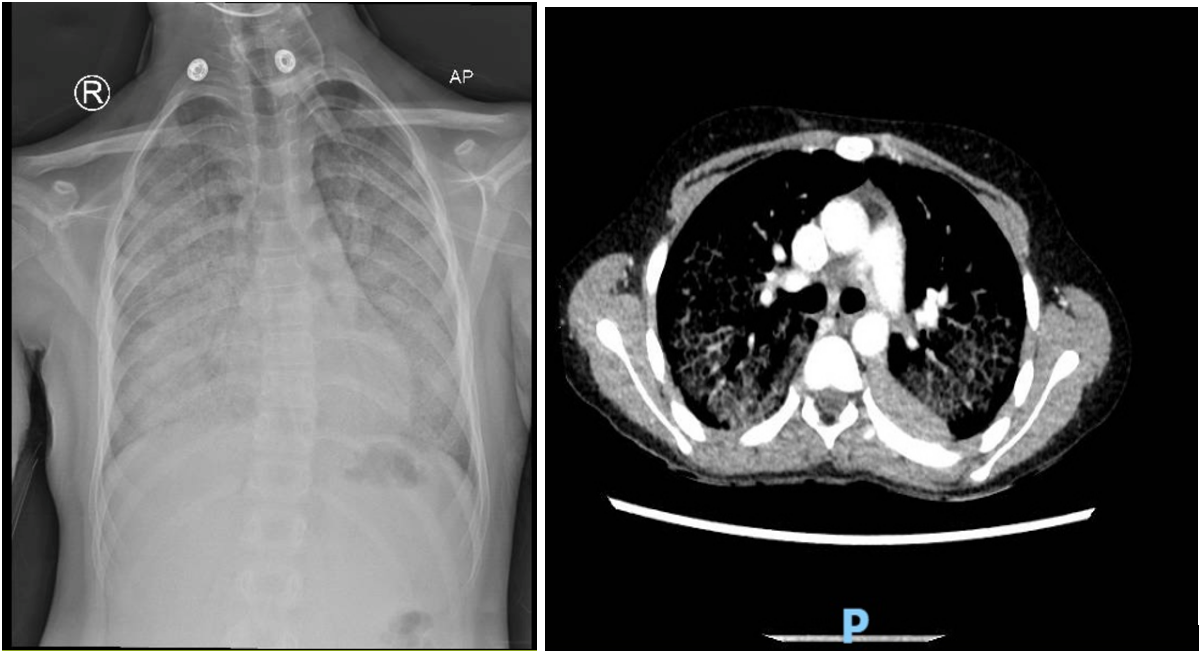
Figure 1: Initial Chest X ray and CT chest.
Initial imaging demonstrated diffuse bilateral pulmonary consolidation with perihilar predominance (Figure 1), consistent with severe acute respiratory distress syndrome. Routine lab investigations including inflammatory markers and blood cultures were unremarkable. Respiratory viral panels were positive for adenovirus and rhinovirus. He was subsequently admitted to the Pediatric Intensive Care Unit (PICU) on October 4, 2024, where he was initially managed with NCPAP, escalated to BiPAP, and later to High-Frequency Oscillatory Ventilation (HFOV) due to refractory hypoxemia. Empiric therapy with ceftriaxone, azithromycin, and oseltamivir was also initiated but there was persistent hypoxia.
On October 22, 2024, bronchoscopy with Broncho Alveolar Lavage (BAL) and thoracoscopic lung biopsy was performed after consulting the pulmonology team (Figure 2, 3).
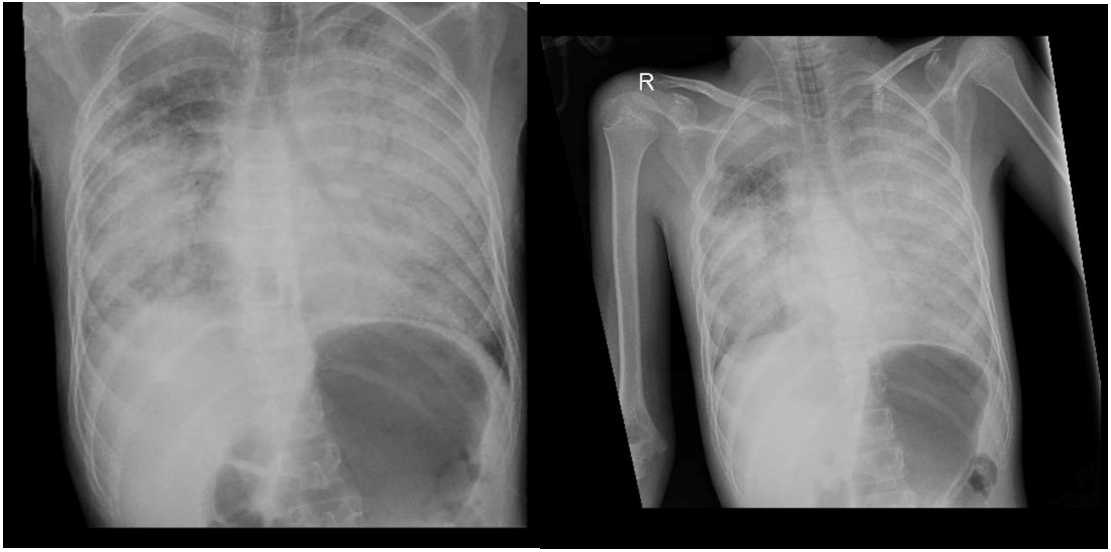
Figure 2, 3: Chest x rays before and after bronchoscopy respectively.
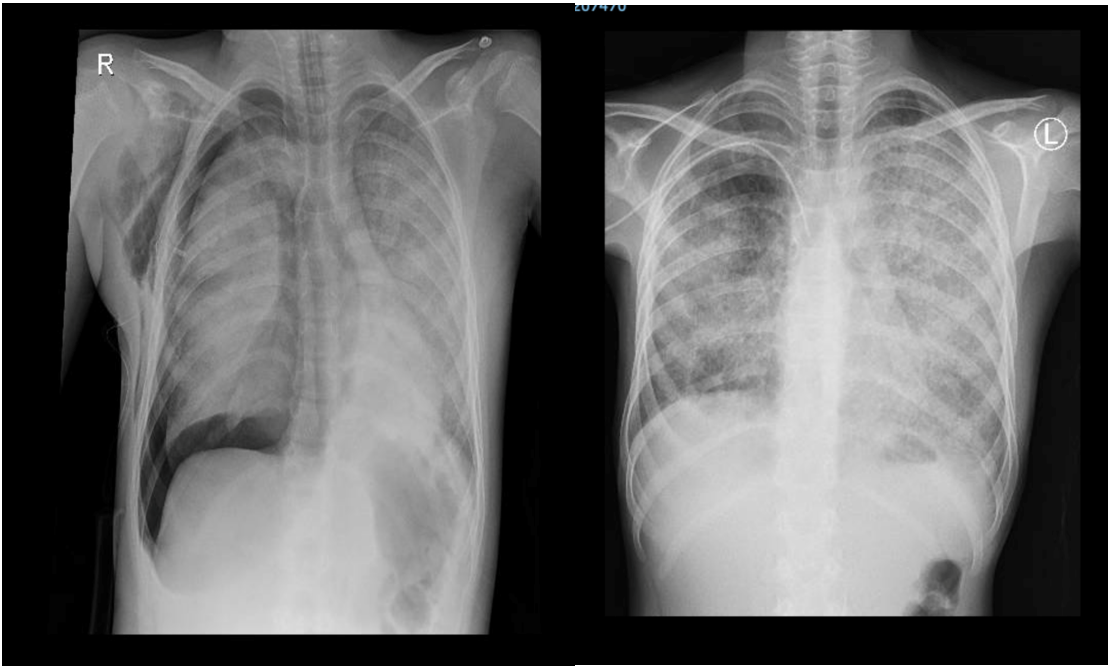
Figure 4, 5: Post-operative pneumothorax; Radiologic resolution of pneumothorax after chest tube insertion.
Postoperatively, he developed a right-sided pneumothorax (Figure 4) necessitating right-sided intercostal tube insertion. Despite radiographic resolution of the pneumothorax (Figure 5), the patient’s oxygen saturation remained critically low, requiring escalation to HFOV.
The biopsy obtained showed PAS positive eosinophilic material in the alveolar spaces, confirming the diagnosis as pulmonary alveolar proteinosis. The patient underwent whole exome sequencing, which was negative, ruling out inherited causes of PAP (Figure 6).
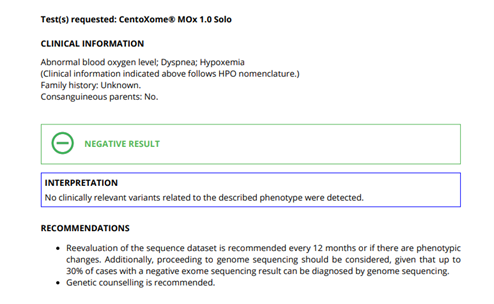
Figure 6: WES (whole exome sequencing) study.
On November 4, 2024 he underwent an open thoracotomy for persistent bronchopleural fistula. Air leak points were identified in the middle lobe, from the previous biopsy site, which was controlled by an endo-GIA stapler, and from the upper lobe which was unhealthy, congested, bulky, tense and leaks whenever GIA stapler was applied. Following repeated attempts of unsuccessful sealing necessitated a right upper lobectomy, leaving apparently healthy lower and middle lobes (Figure 7a and 7b). Patient recovered well from the surgical procedure.
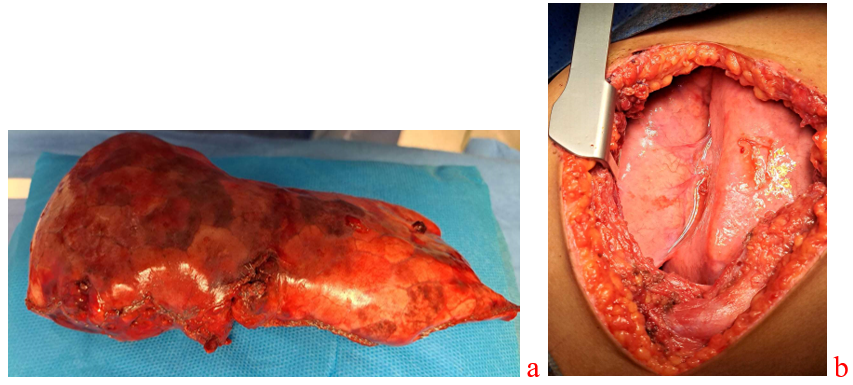
Figure 7: Operative findings: (a) Congested right upper lobe (b) Inflated middle and lower lobes.
On November 12, 2024, he underwent his first Whole Lung Lavage (WLL), which transiently improved oxygenation. Hence, a multi-disciplinary meeting held between PICU and Pediatric Pulmonary Care established a new plan involving multi-phasic bronchoalveolar lavage. Consequently, between February 27 and March 6, 2025, he underwent four sessions of bronchoalveolar lavage, during which he was electively intubated, injected with 300-400ml of normal saline, and then was followed by chest physiotherapy and bronchoscopy-mediated clearance. The X-rays after each lavage are shown in Figures 8-11.
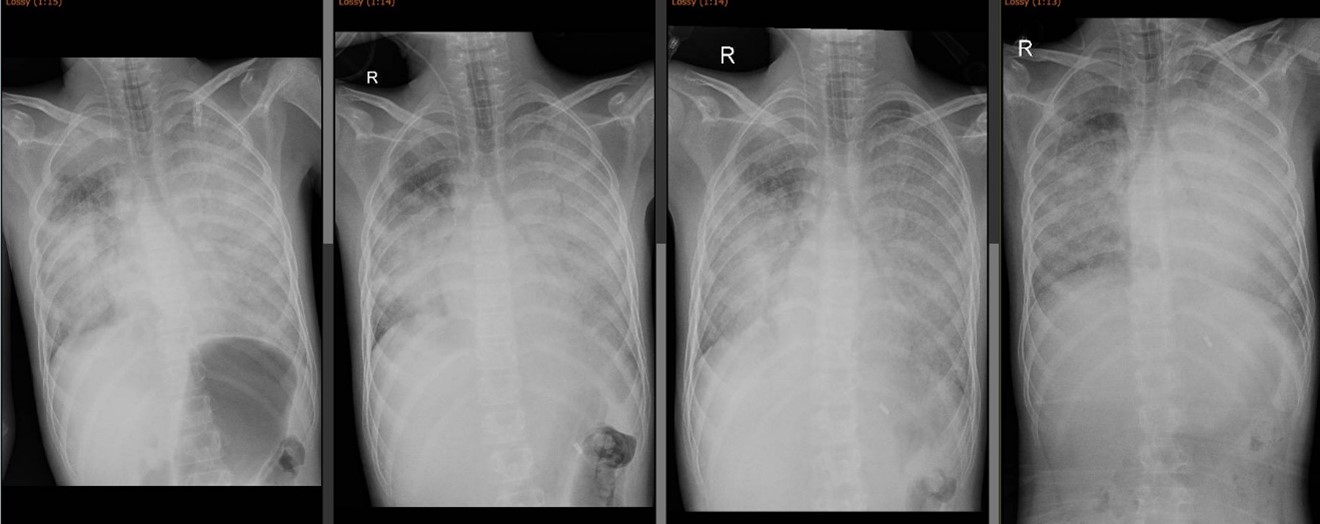
Figure 8-11: Chest X rays after first, second, third, and fourth lavages respectively.
Following the final lavage, his oxygenation improved significantly. The patient was then gradually weaned and extubated on March 10, 2025, to BiPAP, NCPAP and finally to simple face mask. By late March, he was discharged home for follow-up at King Saud Medical City.
Discussion
PAP is exceptionally rare in children, where congenital and genetic forms predominate. Secondary PAP, particularly post-viral, is exceedingly unusual [5]. Our case is, to our knowledge, the first reported pediatric PAP following adenovirus infection in Saudi Arabia and possibly worldwide.
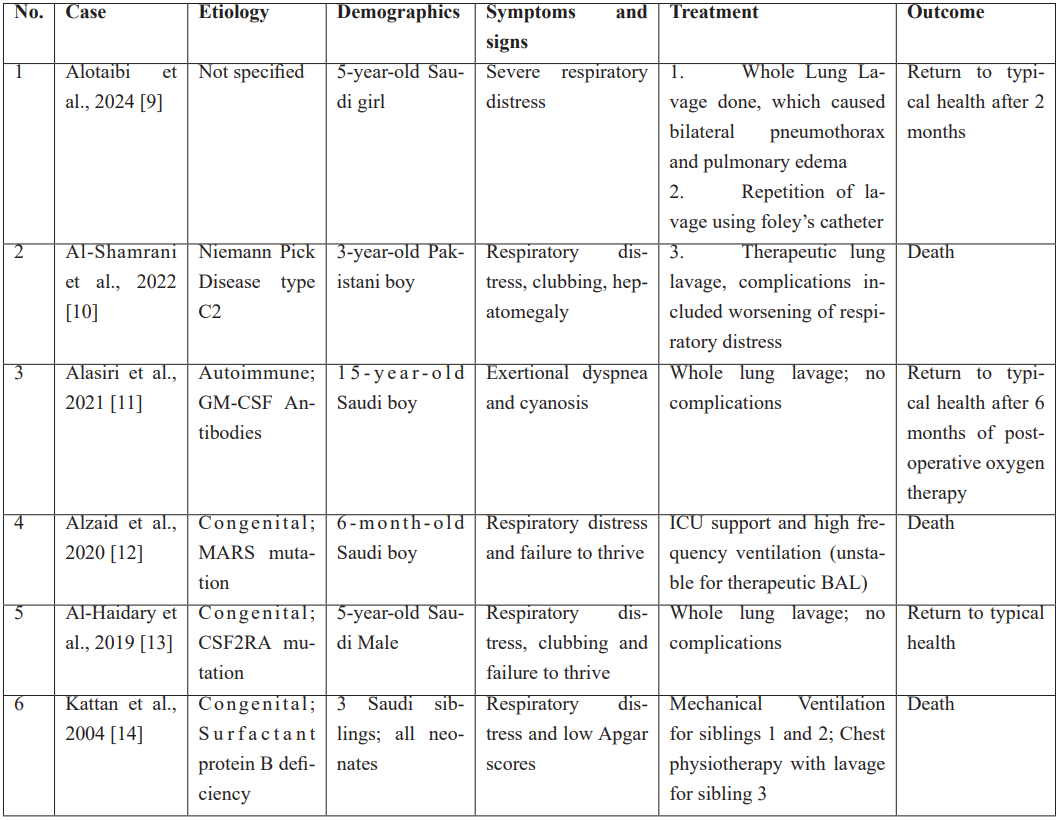
To date, this is the seventh reported pediatric case of PAP in Saudi Arabia. To find this, we have conducted a PubMed search using the terms “Pulmonary Alveolar Proteinosis AND Pediatric OR Children AND Saudi Arabia” and compiled the six previously reported cases (Table 1). Notably, all the other reported cases were either autoimmune or congenitally acquired.
Table 1: All reported cases of pediatric pulmonary alveolar proteinosis in Saudi Arabia.
Suspecting PAP in the pediatric population remains challenging because the clinical features often overlap with other common respiratory diseases. As in our case, PAP is usually diagnosed via bronchoalveolar lavage, which reveals a milky fluid with PAS positive material in the intra- and extra alveolar macrophages, and electron microscopy revealing lamellar bodies of surfactants [7]. When BAL is inconclusive, lung biopsy is the next diagnostic step [15].
Currently, there are no randomized control trials done for the treatment of PAP in the pediatric population. However, for most cases, both adult and pediatric, WLL is the cornerstone of therapy. It improves oxygenation in ~95% of cases [16] and is successful in 60-84% of cases [15]. Use of a double-lumen endotracheal tube has shown better procedural outcomes and reduced post-lavage ICU requirements compared to single-lumen techniques [17]. While indications for WLL are not standardized, it is typically performed in patients with persistent symptoms, functional impairment, or younger age. Relative contraindications include active infection or cardiopulmonary instability; however, decisions are individualized [2]. In high-risk cases, Extracorporeal Membrane Oxygenation (ECMO) may be used as a bridge or safety net during WLL [6]. Although segmental or lobar lavage has been explored in milder or ECMO-ineligible cases, it is not yet routinely recommended. In cases of secondary PAP, treatment of the underlying cause is crucial.
In pediatric patients, the procedure is technically more difficult due to airway anatomy, and its success rate may be lower, often requiring repeated sessions, like our patient. Complications, such as intraoperative hypoxia, fluid leakage, hydrothorax, or pneumothorax, may occur [18]. Our patient developed pneumothorax and required chest tube drainage.
Multidisciplinary care combining intensive care, pulmonology, respiratory therapy and rehabilitation is crucial for the long-term management of pediatric PAP. In refractory cases, lung transplant is a potential option as seen in some pediatric cases in literature [15]. However, there is no agreement on the indications and patient selection criteria for lung transplant. Rarely, recurrence may be seen with lung transplantation [19], or PAP occurrence can occur as a complication of lung transplantation. In cases of recurrence, GM-CSF inhalation therapy has been proven effective in some case reports [20].
The 5-year mortality rate of PAP patients is 9.8%, according to a recent meta-analysis involving 3,278 patients. It also noted that patients presenting with multiple or broad symptoms had a significantly higher mortality rate compared to those with mild or no symptoms [21]. The most common cause for death in PAP is respiratory failure due to refractory alveolar surfactant accumulation [5].
Conclusion
Pediatric pulmonary alveolar proteinosis remains a rare and underrecognized entity, particularly in Saudi Arabia where only a handful of cases have been reported. This case emphasizes the importance of considering PAP in children with unexplained persistent hypoxemia, especially when disproportionate to imaging findings. Adenovirus infection may also act as a trigger for secondary PAP, expanding the spectrum of etiology in pediatrics. Early diagnosis, repeated whole lung lavages, and a multidisciplinary management strategy are critical for optimizing outcomes.
References
- Borie R, Danel C, Debray MP, Taille C, Dombret MC, Aubier M, et al. Pulmonary alveolar proteinosis. Eur Respir Rev Off J Eur Respir Soc, 2011; 20(120): 98–107.
- Campo I, Kadija Z, Mariani F, Paracchini E, Rodi G, Mojoli F, et al. Pulmonary alveolar proteinosis: diagnostic and therapeutic challenges. Multidiscip Respir Med, 2012; 7(1): 4.
- Rosen SH, Castleman B, Liebow AA. Pulmonary alveolar proteinosis. N Engl J Med, 1958; 258(23): 1123–1142.
- McCarthy C, Avetisyan R, Carey BC, Chalk C, Trapnell BC. Prevalence and healthcare burden of pulmonary alveolar proteinosis. Orphanet J Rare Dis, 2018; 13(1): 129.
- Bush A, Pabary R. Pulmonary alveolarproteinosis in children. Breathe Sheff Engl, 2020; 16(2): 200001.
- Tay CK, Kumar A, Hsu AAL, Lee P. Whole lung and sequential bronchoscopic lavage for pulmonary alveolar proteinosis. Curr Opin Pulm Med, 2024.
- de Blic J. Pulmonary alveolar proteinosis in children. Paediatr Respir Rev, 2004; 5(4): 316–322.
- Chaves-Cabezas V, Enciso LF, Hincapié Díaz GA, Polo F, Chaves JJ. Pulmonary alveolar proteinosis associated with adenovirus infection. Pneumon, 2024; 37(2): 1–4.
- Alotaibi NS, Arafah O, Aljonaieh K, Ayaz F, Hinai HAL. Usage of Foley’s catheter in pediatric lung isolation, whole lung lavage: A case report. Saudi J Anaesth, 2024; 18(4): 556–558.
- Al-Shamrani A, Al-Shamrani K, Mahfoudh AB, Mohamed AS, Mohamed S. A Niemann-Pick Disease Type C2 with Severe Pulmonary Involvement and Limited Therapeutic Options: A Case Report. Child Basel Switz, 2022; 9(12): 1811.
- Alasiri AM, Alasbali RA, Alaqil MA, Alahmari AM, Alshamrani ND, Badri RN. Autoimmune pulmonary alveolar proteinosis successfully treated with lung lavage in an adolescent patient: a case report. J Med Case Reports, 2021; 15(1): 340.
- Alzaid M, Alshamrani A, Al Harbi AS, Alenzi A, Mohamed S. Methionyl-tRNA synthetase novel mutation causes pulmonary alveolar proteinosis. Saudi Med J, 2019; 40(2): 195–198.
- Al-Haidary AS, Alotaibi W, Alhaider SA, Al-Saleh S. A newly identified novel variant in the CSF2RA gene in a child with pulmonary alveolar proteinosis: a case report. J Med Case Reports, 2017; 11(1): 122.
- Kattan AK, Bulagannawar PS, Malik IH. Congenital Alveolar Proteinosis. Saudi Med J, 2004; 25(10): 1474–1477.
- Trukalj M, Perica M, Ferenčić Ž, Erceg D, Navratil M, Redžepi G, Nogalo B. Successful Treatment of Autoimmune Pulmonary Alveolar Proteinosis in a Pediatric Patient. Am J Case Rep, 2016; 17: 641–645.
- Seymour JF, Presneill JJ. Pulmonary alveolar proteinosis: progress in the first 44 years. Am J Respir Crit Care Med, 2002; 166(2): 215–235.
- Nickel K, Schütz K, Carlens J, Grewendorf S, Wetzke M, Keil O, et al. Ten-year experience of whole lung lavage in pediatric Pulmonary Alveolar Proteinosis. Klin Padiatr, 2024; 236(2): 64–72.
- Wilson CA, Arthurs OJ, Black AE, Schievano S, Hunt C, van Hoog S, et al. Printed three-dimensional airway model assists planning of single-lung ventilation in a small child. Br J Anaesth, 2015; 115(4): 616–620.
- Parker LA, Novotny DB. Recurrent Alveolar Proteinosis Following Double Lung Transplantation. Chest, 1997; 111(5): 1457–1458.
- Ishimoto H, Sakamoto N, Yura H, Takazono T, Kido T, Matsumoto K, et al. Successful granulocyte-macrophage colony-stimulating factor inhalation therapy for recurrent autoimmune pulmonary alveolar proteinosis after lung transplantation: A case report. Respir Investig, 2025; 63(1): 180–182.
- Huang J, Xie S, Gao Y, Lin Z, Xu Z, Lin J, et al. Phenotypic heterogeneity in mortality and prognosis of pulmonary alveolar proteinosis: a large-scale, global pooled analysis of individual-level data. Orphanet J Rare Dis, 2025; 20(1): 102.