
Email id: info@ijclinmedcasereports.com
The Biological PRP Standard (BPS): An Evidence-Based Framework for the Standardization of Platelet-Rich Plasma
Alessio Redaelli*
Department of Aesthetic Medicine, Visconti di Modrone Medical Center, Milan, Italy
Received Date: 07/08/2026; Published Date: 12/10/2026
*Corresponding author: Alessio Redaelli, MD, Contract Prof., Visconti di Modrone Medical Center Via Visconti di Modrone 7, 20122 Milan, Italy
Abstract
Background: Platelet-Rich Plasma (PRP) has become one of the most widely used autologous therapies in regenerative medicine, with applications spanning numerous medical specialties. Despite the exponential growth of scientific evidence, substantial variability persists in PRP preparation, biological characterization, clinical application, and reporting, limiting reproducibility and meaningful comparison among studies. More than fifteen years after the publication of one of the earliest standardized PRP protocols, the accumulated scientific evidence together with long-term clinical experience now allow the identification of the fundamental biological and technical principles that characterize an optimal PRP preparation.
Objectives: To define the Biological PRP Standard (BPS), an evidence-based framework establishing the biological characteristics of a standardized PRP product, the minimum technical requirements necessary for its preparation, and the essential clinical principles required for its reproducible application across regenerative medicine.
Materials and Methods: The Biological PRP Standard (BPS) was developed through critical appraisal of the available scientific literature integrated with the long-term clinical validation of a previously published standardized PRP protocol. Rather than comparing proprietary preparation systems, the BPS defines the biological characteristics that every standardized PRP product should possess and the minimum technical requirements that every preparation system should fulfill to obtain these characteristics safely, reproducibly, and consistently.
Results: According to the Biological PRP Standard, a BPS-compliant PRP preparation is characterized by preservation of platelet integrity, approximately a two-fold increase in platelet concentration over baseline whole blood, effective elimination of erythrocytes, minimal leukocyte contamination whenever clinically appropriate, high plasma purity, and complete sterility maintained throughout preparation and administration. Platelet activation is performed only when clinically indicated and should always be standardized and documented. To consistently obtain these biological characteristics, the preparation system should ensure fully closed sterile blood processing, reproducible blood component separation, minimal blood manipulation, procedural simplicity, documented clinical validation, regulatory compliance, and suitability for routine clinical practice. The BPS further standardizes patient selection, treatment protocols, outcome assessment, and scientific reporting.
Conclusions: The Biological PRP Standard (BPS) represents the natural evolution of standardized PRP therapy by integrating scientific evidence with long-term clinical validation into a unified biological, technical, and clinical framework. PRP should be defined by the biological quality of the final platelet concentrate rather than by the commercial identity of the preparation system. Adoption of the BPS may improve scientific reproducibility, facilitate meaningful comparison among studies, and contribute to the development of internationally accepted evidence-based standards for PRP therapy across all fields of regenerative medicine.
Keywords: Platelet-rich plasma (PRP); Biological PRP Standard (BPS); Regenerative medicine; Platelet standardization; Autologous biologic therapies
The Biological PRP Standard (BPS) – Definition
A BPS-compliant PRP preparation is an autologous platelet concentrate obtained through a standardized technical process and characterized by preserved platelet integrity, approximately two-fold platelet enrichment, effective erythrocyte elimination, minimal leukocyte contamination whenever clinically appropriate, high plasma purity, complete sterility, and standardized clinical application.
Introduction
Platelet-Rich Plasma (PRP) has emerged as one of the most extensively investigated autologous biologic therapies in regenerative medicine. Initially introduced for musculoskeletal disorders and maxillofacial surgery, its clinical applications have progressively expanded to include dermatology, plastic surgery, wound healing, hair restoration, gynaecology, ophthalmology, dentistry, and aesthetic medicine [10-15]. This remarkable diffusion has generated thousands of scientific publications and has firmly established PRP as a valuable therapeutic option across multiple medical specialties [16] Figure 1.
Despite this rapid scientific and clinical development, PRP remains characterized by an extraordinary degree of heterogeneity. Considerable variations exist in blood collection, anticoagulants, centrifugation protocols, platelet concentration, leukocyte and erythrocyte content, activation methods, injection timing, treatment schedules, and outcome reporting. As a consequence, studies investigating ostensibly the same biological therapy often evaluate substantially different products [6], making direct comparison difficult and limiting the reproducibility of clinical evidence [2-5].
Over the past decade, several classification systems, consensus statements, and reporting recommendations have attempted to improve the characterization of PRP preparations [2-5]. These initiatives have represented an important step toward standardization by emphasizing platelet concentration, leukocyte content, activation strategies, and reporting quality. Nevertheless, a universally accepted biological definition of an optimal PRP preparation has not yet been established, and the absence of shared technical and clinical standards continues to represent one of the principal limitations of PRP research.
An additional source of confusion arises from the widespread tendency to classify PRP according to the commercial preparation system employed rather than according to the biological characteristics of the final platelet concentrate. Commercial devices undoubtedly play an essential role in obtaining reproducible PRP preparations and should guarantee safety, sterility, procedural reproducibility, and preservation of platelet integrity [4]. However, they represent the means by which PRP is obtained rather than the therapeutic product itself [8]. From a biological perspective, tissue regeneration depends on the characteristics of the final platelet concentrate, not on the commercial identity of the preparation system.
More than fifteen years have elapsed since one of the earliest standardized clinical PRP protocols for facial rejuvenation was published, introducing a reproducible preparation and treatment methodology that has subsequently been applied and refined through extensive clinical practice [1]. During this period, scientific knowledge regarding platelet biology, regenerative mechanisms, preparation techniques, and clinical applications has expanded considerably. This accumulated evidence now provides the opportunity to identify the fundamental biological and technical principles that explain the long-term validity of standardized PRP protocols and to translate these principles into a broader conceptual framework applicable beyond any single clinical indication.
The present paper introduces the Biological PRP Standard (BPS), an evidence-based framework designed to define the essential biological characteristics of a standardized PRP product together with the minimum technical and clinical requirements necessary to obtain and apply it reproducibly [6-10]. The BPS is not intended to introduce a new preparation protocol or to compare proprietary commercial systems. Instead, it represents the evolution of standardized PRP therapy by integrating current scientific evidence with long-term clinical validation into a unified biological, technical, and clinical model that may facilitate reproducibility, improve scientific reporting, and support the development of internationally accepted standards for regenerative medicine. The Biological PRP Standard (BPS) shifts the focus from how PRP is prepared to what PRP should biologically be.
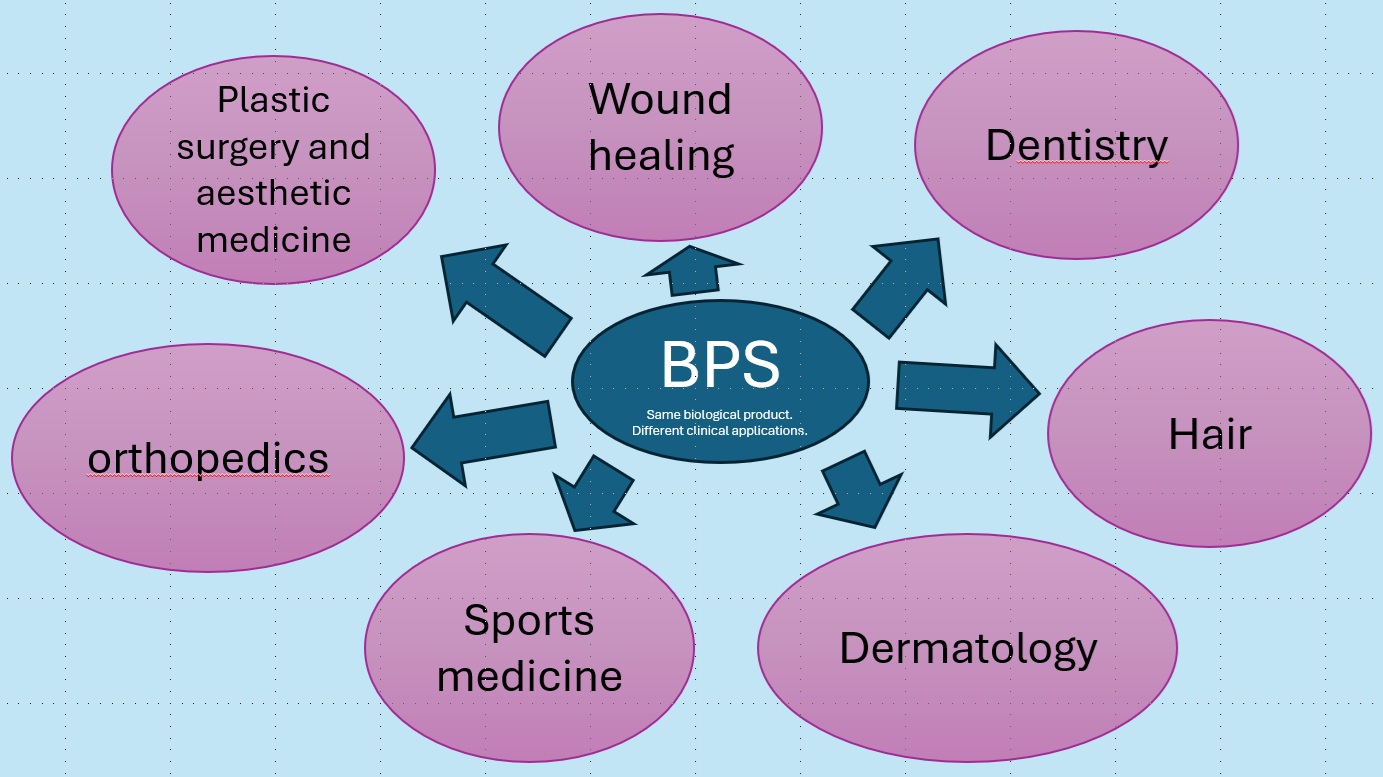
Figure 1: same biological product, different final indications.
Objectives
The objectives of this position paper are:
- To define the Biological PRP Standard (BPS) as an evidence-based framework for the biological, technical, and clinical standardization of platelet-rich plasma across regenerative medicine.
- To identify the essential biological characteristics of a BPS-compliant PRP preparation, including preservation of platelet integrity, biologically appropriate platelet enrichment, effective elimination of erythrocytes, minimal leukocyte contamination whenever clinically indicated, high plasma purity, complete sterility, and standardized reporting of platelet activation when performed [9].
- To establish the minimum technical requirements that any PRP preparation system should fulfil to consistently obtain a safe, reproducible, and biologically standardized platelet concentrate, independently of the proprietary commercial device employed [4,5].
- To define the essential clinical principles for standardized patient selection, treatment protocols, outcome assessment, follow-up, and scientific reporting, thereby improving reproducibility and comparability among clinical studies [3].
- To demonstrate how current scientific evidence and long-term clinical validation support the evolution of previously standardized PRP protocols into the Biological PRP Standard (BPS), providing a unified framework applicable across different medical specialties.
Materials and Methods
Development of the Biological PRP Standard (BPS):
The Biological PRP Standard (BPS) was developed through an integrative analysis of the available scientific literature combined with the critical appraisal of long-term clinical experience using a standardized PRP protocol previously described by the authors. The objective was not to introduce a new preparation technique, but to identify the biological, technical, and clinical principles that have consistently demonstrated scientific validity and practical reproducibility across different applications of regenerative medicine.
A comprehensive review of the contemporary literature was performed, with particular attention to publications addressing platelet biology, platelet concentration, platelet integrity, leukocyte and erythrocyte content, platelet activation, preparation systems, reporting standards, and clinical applications of PRP. Consensus statements, systematic reviews, methodological studies, and high-quality clinical evidence were preferentially considered to identify areas of agreement and persistent sources of variability [3-9].
Rather than comparing proprietary commercial preparation systems, the analysis focused on the biological characteristics of the final platelet concentrate and on the procedural variables that most directly influence its quality, safety, and reproducibility. Commercial preparation systems were evaluated only according to their ability to satisfy predefined technical requirements necessary for standardized PRP preparation, independently of their commercial identity.
Based on the integration of current evidence and extensive clinical experience, the Biological PRP Standard was structured into three complementary domains Figure 2:
- Biological Standardization, defining the essential biological characteristics of a BPS-compliant platelet concentrate.
- Technical Standardization, defining the minimum technical requirements that preparation systems should satisfy to consistently obtain a biologically standardized PRP product.
- Clinical Standardization, defining recommendations for patient selection, preparation protocols, platelet activation when clinically indicated, treatment scheduling, outcome assessment, follow-up, and scientific reporting [2].
The proposed framework was developed according to the principle that PRP should be characterized primarily by the biological quality of the final platelet concentrate rather than by the proprietary preparation system employed. Accordingly, the Biological PRP Standard establishes objective biological and technical criteria intended to improve reproducibility, facilitate comparison among clinical studies, and promote the harmonization of PRP protocols across different medical specialties.
Definition of a BPS-Compliant PRP:
Within the Biological PRP Standard, a BPS-compliant PRP is defined as an autologous platelet concentrate obtained through a standardized technical process and characterized by:
- preservation of platelet integrity;
- approximately two-fold platelet enrichment over baseline whole blood;
- effective elimination of erythrocytes;
- minimal leukocyte contamination whenever clinically appropriate;
- high plasma purity;
- complete sterility maintained throughout preparation and administration.
Platelet activation is performed only when clinically indicated and should be standardized and reported whenever applied.
All kits on the market cannot improve platelets or change platelets biology Figure 3.
Standardized PRP Preparation Protocol:
A standardized platelet-rich plasma (PRP) preparation protocol was adopted as the reference procedure for the development of the Biological PRP Standard (BPS). The protocol was designed to minimize operator-dependent variability while ensuring biological consistency, procedural reproducibility, and complete sterility throughout the entire preparation process [1].
For each treatment session, 16 mL of peripheral venous blood were collected into two sterile 8-mL vacuum tubes equipped with a separator specifically designed for blood-component separation. Blood collection, centrifugation, and recovery of the platelet concentrate were performed within a fully closed sterile system, minimizing blood manipulation and preventing exposure of the sample to the external environment.
Blood samples were centrifuged at 3,500 rpm for 5 minutes, allowing reproducible separation of plasma from the cellular components. Following centrifugation, the platelet-poor plasma (PPP) fraction was carefully removed, while the platelet-rich plasma (PRP) layer immediately above the separator was collected from both tubes, yielding approximately 4 mL of purified PRP.
This preparation protocol obtains a platelet concentrate characterized by preserved platelet integrity, a two-fold increase in platelet concentration compared with baseline whole blood, effective elimination of erythrocytes, minimal leukocyte contamination whenever clinically appropriate, high plasma purity, and complete sterility. Within the Biological PRP Standard (BPS), these characteristics define the biological quality of the therapeutic product and represent the optimal balance between platelet functionality, biological efficacy, procedural reproducibility, and clinical safety.
When clinically indicated, PRP was activated [9] using calcium chloride (0.1 mL per 0.9 mL of PRP). Following gentle mixing, the activated preparation is administered within approximately 7 minutes after activation to ensure reproducible platelet degranulation and growth factor release. Based on the authors' current clinical experience, however, exogenous platelet activation is required only in selected clinical indications and is therefore performed infrequently, as physiological activation following tissue administration is considered sufficient for the majority of regenerative applications.
The preparation protocol was intentionally designed to be independent of the subsequent therapeutic indication. Although the route of administration, treatment schedule, delivery technique, and target tissue may vary according to the medical specialty and clinical indication [16], the biological characteristics of the platelet concentrate should remain unchanged. The therapeutic product is therefore represented by the biologically standardized platelet concentrate, whereas its clinical administration should be adapted to the specific indication without modifying its biological quality.
Following completion of the standardized preparation protocol, its biological and technical principles were critically reassessed in light of contemporary evidence regarding platelet biology, platelet concentration, platelet integrity, plasma purity, leukocyte and erythrocyte content, platelet activation, preparation technologies, sterility, reproducibility, and scientific reporting. The concepts consistently supported by the contemporary scientific literature and reinforced by more than fifteen years of clinical experience were integrated into the Biological PRP Standard (BPS) proposed in the present manuscript.
The Biological PRP Standard shifts the focus from the preparation system to the biological quality of the final platelet concentrate. The preparation device is the instrument; the platelet concentrate is the therapeutic product. Accordingly, the objective of the BPS is not to standardize commercial preparation systems, but to define the biological characteristics that every clinically effective PRP preparation should consistently achieve. Any preparation system capable of reproducibly generating a platelet concentrate fulfilling the biological and technical requirements defined by the BPS should therefore be considered BPS-compliant, independently of its commercial identity.
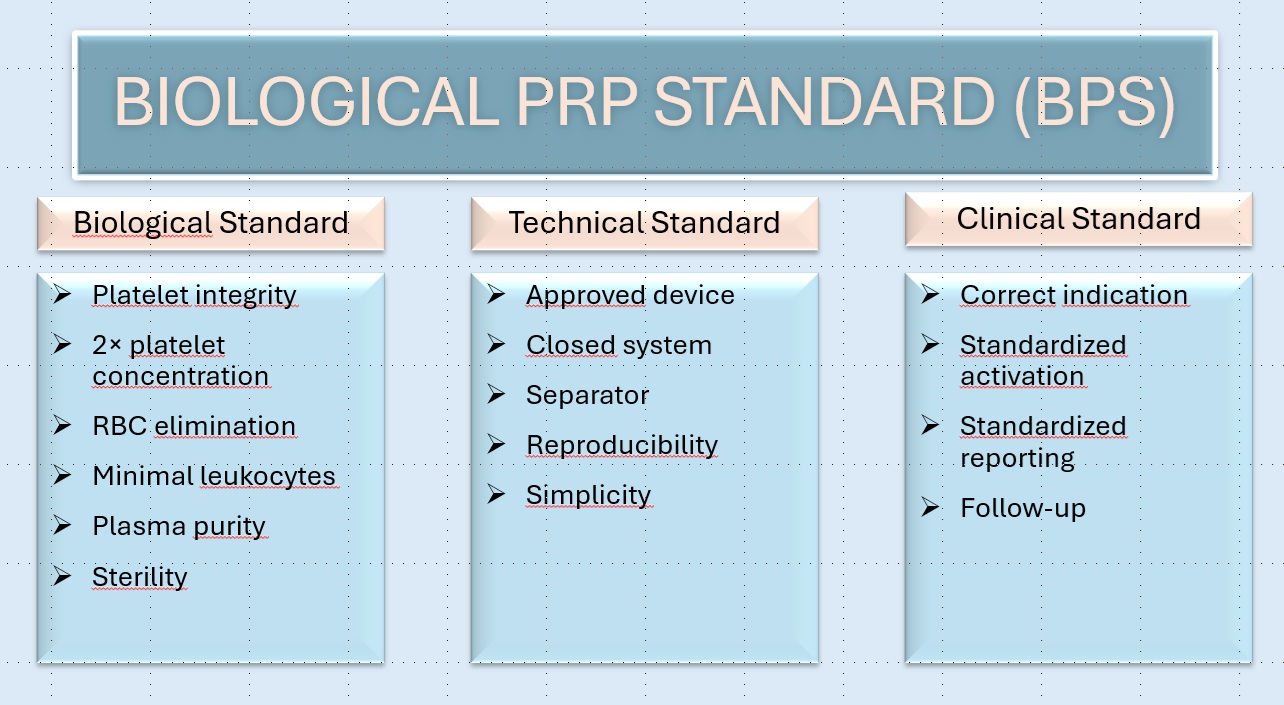
Figure 2: Biological PRP Standard is defined by Biological, Technical and clinical standardization.
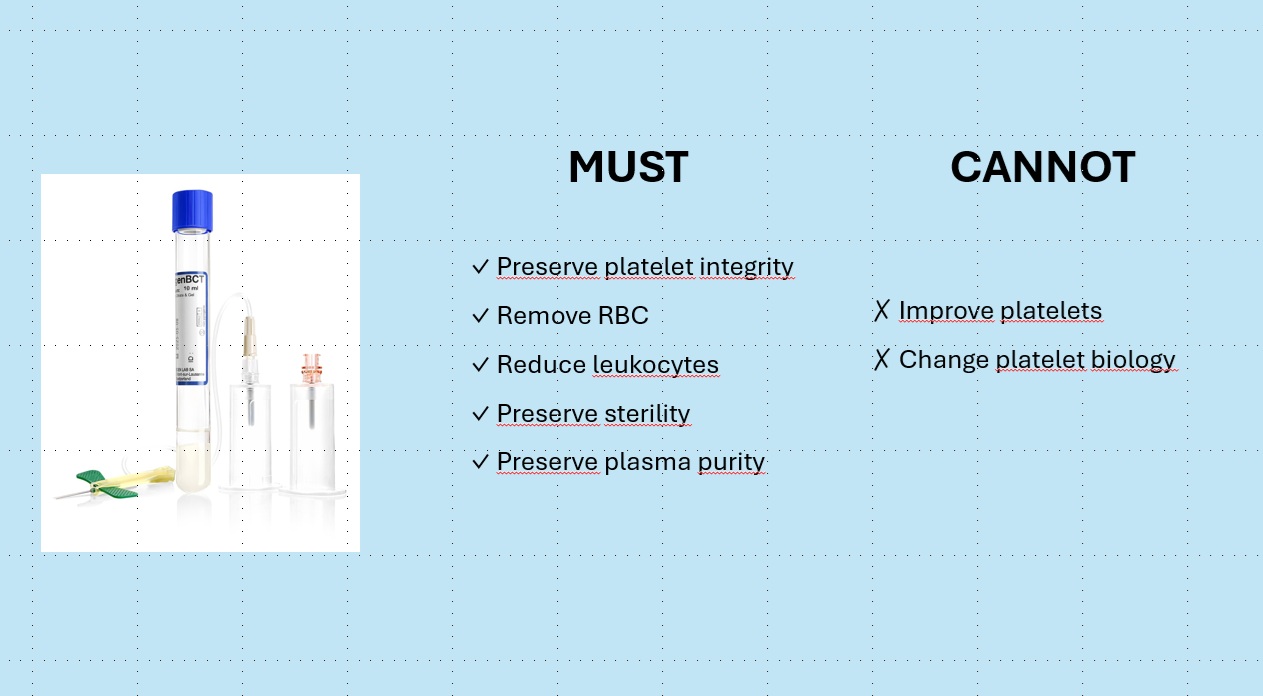
Figure 3: a BPS-compliant PRP must have these characteristics and cannot change platelets.
Discussion
The widespread clinical adoption of platelet-rich plasma has been accompanied by remarkable heterogeneity in preparation methods, product composition, and reporting criteria [17]. Although thousands of studies have demonstrated the therapeutic potential of PRP across numerous medical specialties, the lack of a universally accepted biological standard continues to represent one of the principal limitations for scientific comparison and clinical reproducibility. Preparations described under the same name frequently differ substantially in platelet concentration, cellular composition, plasma purity, activation protocols, and technical processing, making direct comparison between studies extremely difficult [17].
The present work addresses this limitation by shifting the focus from how PRP is prepared to what PRP should biologically be. Rather than classifying PRP according to the commercial preparation system employed, the Biological PRP Standard (BPS) defines the biological characteristics that a clinically effective platelet concentrate should consistently achieve. In this framework, the preparation device is considered the instrument, whereas the platelet concentrate represents the therapeutic product.
The standardized preparation protocol described in this manuscript embodies these principles. Over more than fifteen years of clinical application, its biological and technical concepts have remained consistent while being progressively reinforced by advances in platelet biology and regenerative medicine. The protocol emphasizes preservation of platelet integrity, a two-fold increase in platelet concentration, effective elimination of erythrocytes, minimal leukocyte contamination whenever clinically appropriate, high plasma purity, complete sterility, and standardized activation only when clinically indicated [1]. These characteristics constitute the biological foundation of the Biological PRP Standard.
The BPS does not promote or compare proprietary preparation systems. Instead, it establishes objective biological and technical quality criteria that any preparation system should consistently satisfy. Consequently, different commercial devices may all be considered BPS-compliant, provided that they reproducibly generate a platelet concentrate fulfilling the biological requirements defined by the standard. This approach shifts the scientific discussion from commercial technologies to measurable biological quality.
The proposed framework is intentionally independent of the subsequent therapeutic indication. Whether PRP is used in orthopaedics, sports medicine, dermatology, plastic surgery, wound healing, oral surgery, hair restoration, aesthetic medicine, or other fields of regenerative medicine, the biological quality of the platelet concentrate should remain constant. Only the method of administration should be adapted according to the target tissue, pathology, and clinical objective.
Standardization should therefore extend beyond the preparation procedure itself. Future clinical studies should routinely characterize the biological properties of the final platelet concentrate and report them using standardized criteria. Defining PRP according to reproducible biological characteristics rather than proprietary preparation methods may substantially improve study comparability, facilitate meta-analyses, strengthen evidence-based recommendations, and accelerate the international harmonization of regenerative therapies.
The Biological PRP Standard (BPS) should therefore be regarded as the natural evolution of standardized PRP therapy. Rather than introducing a new preparation protocol, it provides a universal biological, technical, and clinical framework capable of explaining, supporting, and harmonizing standardized PRP protocols across different medical specialties. The ultimate objective is not the standardization of commercial preparation systems, but the standardization of the biological quality of the therapeutic product itself.
Conclusion
The Biological PRP Standard (BPS) provides an evidence-based framework for the biological, technical, and clinical standardization of platelet-rich plasma. Developed from a standardized preparation protocol and supported by more than fifteen years of clinical experience together with the current understanding of platelet biology [1], the BPS identifies the essential characteristics that define a high-quality platelet concentrate intended for regenerative medicine.
The proposed standard is based on preservation of platelet integrity, a two-fold increase in platelet concentration, effective elimination of erythrocytes, minimal leukocyte contamination whenever clinically appropriate, high plasma purity, complete sterility, and standardized platelet activation only when clinically indicated. Together, these characteristics define the biological quality of the therapeutic product and provide a reproducible reference for PRP preparation.
Preparation systems play a fundamental role in achieving these objectives and should therefore be approved, scientifically validated, safe, and capable of producing a reproducible platelet concentrate within a fully closed sterile system. However, no preparation device can improve the intrinsic biological properties of a patient's platelets. Its role is to preserve their integrity, viability, purity, and regenerative potential while avoiding cellular damage or contamination during processing.
The BPS therefore shifts the focus from the commercial preparation system to the biological quality of the final platelet concentrate. Different preparation systems may be used, provided that they consistently generate a platelet concentrate fulfilling the biological and technical requirements defined by the standard.
The adoption of the Biological PRP Standard may provide physicians worldwide with a common scientific reference for PRP preparation. By using validated and safe preparation systems capable of preserving platelet quality, and by applying PRP for evidence-based clinical indications, clinicians can be confident that they are administering a biologically standardized therapeutic product with reproducible characteristics and predictable biological quality.
Ultimately, the Biological PRP Standard is intended to establish a common international language for PRP preparation and reporting, improving comparability among clinical studies, strengthening evidence-based regenerative medicine, and facilitating the development of universally accepted standards that place the biological quality of the platelet concentrate at the center of PRP therapy.
Funding: No external funding was received for the preparation of this manuscript.
Conflict of Interest: The author declares no conflicts of interest related to this work.
Author Contributions: Alessio Redaelli conceived the Biological PRP Standard (BPS), designed the study framework, critically reviewed the literature, interpreted the available evidence, and wrote the manuscript.
Data Availability: No new datasets were generated or analyzed during the preparation of this position paper.
Ethics Statement: Not applicable. This manuscript is a position paper based on published literature and long-term clinical experience and does not report new studies involving human participants or animals.
References
- Redaelli A, Romano D, Marcianò A. Face and neck revitalization with platelet-rich plasma (PRP): clinical outcome in a series of 23 consecutively treated patients. J Drugs Dermatol, 2010; 9(5): 466-472.
- Mazzucco L, Balbo V, Cattana E, Guaschino R, Borzini P. The use of platelets in regenerative medicine and proposal for a new classification system: guidance from the SSC of the ISTH. J Thromb Haemost, 2018; 16: 1895-1900.
- Danese M, D'Esposito V, Miranda R, et al. Expert consensus on the use of autologous platelet-rich plasma in the context of regenerative medicine: moving forward to good clinical practice. Ann Ist Super Sanita, 2025.
- Rahman E, Rao P, Abu-Farsakh HN, et al. Systematic review of platelet-rich plasma in medical and surgical specialties: quality, evaluation, evidence, and enforcement. J Clin Med, 2024; 13: 4571.
- Kon E, Di Matteo B, Filardo G, et al. The chimera of reaching a universal consensus on platelet-rich plasma treatment: a review of recent consensus statements and expert opinion. Expert Opin Biol Ther, 2024.
- Stone AV, et al. Randomized controlled trials on platelet-rich plasma poorly adhere to the Minimum Information for Studies Evaluating Biologics (MIBO) guidelines. Am J Sports Med, 2024.
- Tian Y, et al. Platelets and diseases: signal transduction and advances in platelet biology. Signal Transduct Target Ther, 2025.
- Costa FR, et al. Not all platelets are created equal: a review on platelet aging and functional quality in regenerative medicine,
- Rath M, et al. Platelet-rich plasma: a comprehensive review of isolation, activation, and application. Acta Biomater, 2025.
- Gentile P, Garcovich S. Systematic review: platelet-rich plasma use in facial rejuvenation. Plast Reconstr Surg, 2023; 152(1): 72e-82e.
- Cruciani M, Masiello F, Pati I, Pupella S, De Angelis V. Platelet rich plasma for facial rejuvenation: an overview of systematic reviews. Blood Transfus, 2024; 22(5): 429-439.
- Bajaj S, Orbuch D, Wang JV, Geronemus RG. Preparation and utility of platelet-rich plasma (PRP) for facial aging: a comprehensive review. Adv Ther, 2022; 39: 4021-4036.
- Xiao H, Xu D, Mao R, Xiao M, Fang Y, Liu Y. Platelet-rich plasma in facial rejuvenation: a systematic appraisal of the available clinical evidence. Clin Cosmet Investig Dermatol, 2021; 14: 1697-1724.
- Pixley JN, Cook MK, Singh R, Larrondo J, McMichael AJ. A comprehensive review of platelet-rich plasma for the treatment of dermatologic disorders. J Dermatolog Treat. 2023;34:2142035.
- Li X, Gao J, Zheng H, Zou C, Yu Z, Wu Z, et al. Study of platelet-rich plasma application for skin and plastic surgery in recent 20 years: a bibliometric analysis. J Cosmet Dermatol, 2023; 22: 1852-1862.
- Gupta S. et al. Evidence-based indications of platelet-rich plasma therapy. Expert Rev Hematol, 2021; 14(1): 97-108.
- Eqram R. et Al: Systematic Review of Platelet-Rich Plasma in Medical and Surgical Specialties: Quality, Evaluation, Evidence, and Enforcement J Clin Med, 2024; 13(15): 4571.