
Email id: info@ijclinmedcasereports.com
Correction of Vitamin D Deficiency and Improvement in Clinical Symptoms Following 90-Day Supplementation with a Plant-Based Lichen-Derived Vitamin D3 Formulation: A Prospective Case Series
Dr. Chetan Savaliya1,*, Dr. Shridhar Pandya2, Prerana Patil3, Shivangi Dave3 and Vaishnavi Ghodke3
1Director, Research & Development, Gplife Healthcare Pvt. Ltd., India
2Gplife Healthcare Pvt. Ltd., India
3Junior Research Scientist, Gplife Healthcare Pvt. Ltd., India
Received Date: 24/07/2026; Published Date: 28/09/2026
*Corresponding author: Dr. Chetan Savaliya, Director, Research & Development, Gplife Healthcare Pvt. Ltd., Surat, Gujarat, India
Abstract
Background: Vitamin D Deficiency (VDD) remains a major public health concern in India, contributing to musculoskeletal and systemic symptoms and increasing the burden of chronic non-communicable disease. Lichen-derived vitamin D₃ has emerged as a plant-based alternative to conventional lanolin-derived cholecalciferol, though clinical evidence on its real-world effectiveness remains limited.
Objective: To evaluate the effectiveness of a plant-based, lichen-derived vitamin D₃ supplement (4000 IU/day) on serum 25-hydroxyvitamin D [25(OH)D] concentrations and deficiency-related symptoms in adults with vitamin D deficiency.
Methods: This prospective, single-arm case series included 60 adults with biochemically confirmed vitamin D deficiency who received a plant-based, lichen-derived vitamin D₃ formulation (4000 IU/day) for 90 days. Participants also received standardized counselling regarding dietary habits and appropriate sunlight exposure. Serum 25(OH)D concentrations were measured at baseline and Day 90. Deficiency-associated symptoms, including irritability, generalized body ache, muscle cramps, fatigue, and sleep disturbances, were assessed before and after the intervention. Changes in serum 25(OH)D concentrations were analysed using the Wilcoxon signed-rank test, while paired categorical symptom outcomes were evaluated using McNemar's exact test. A two-sided p value <0.05 was considered statistically significant.
Results: Mean serum 25(OH)D concentration increased from 14.23 ± 5.03 ng/mL at baseline to 68.62 ± 11.77 ng/mL at day 90 (p < 0.0001). Statistically significant reductions were observed in most baseline symptoms, including irritability, body ache, cramps, fatigue, and poor sleep (p < 0.05). No treatment-related adverse events were reported during the study period.
Conclusion: Ninety days of supplementation with a plant-based, vitamin D₃ formulation was associated with substantial correction of vitamin D deficiency and improvement in associated symptoms. These findings support lichen-derived vitamin D₃ as a viable vegan/vegetarian-friendly alternative for managing VDD, though larger controlled trials are needed to confirm these findings.
Keywords: Vitamin D deficiency; 25-hydroxyvitamin D; Lichen-derived vitamin D3; Plant-based vitamin D; Case series; Nutraceutical; Cholecalciferol; Dietary supplement
Introduction
Vitamin D₃ (cholecalciferol) is a fat-soluble secosteroid that serves as the precursor to the biologically active hormone 1,25-dihydroxyvitamin D₃ (calcitriol), a key regulator of cellular function and mineral homeostasis. Calcitriol exerts its biological effects by binding to the Vitamin D Receptor (VDR), which subsequently heterodimerizes with the Retinoid X Receptor (RXR) [1]. The VDR–RXR complex binds to Vitamin D Response Elements (VDREs) within the promoter regions of target genes, thereby regulating the transcription of hundreds of genes involved in diverse physiological processes. Through this genomic mechanism, vitamin D signaling plays a pivotal role in calcium and phosphate homeostasis, immune regulation, cellular proliferation and differentiation, and the maintenance of skeletal health [2,3].
Vitamin D deficiency (VDD) is recognized as a global public health concern, affecting billions despite its essential role in maintaining skeletal and extraskeletal health. In India, nearly 68% of the population is deficient despite abundant sunlight, mainly due to skin pigmentation, reduced outdoor activity, and air pollution [4]. Consequently, VDD has emerged as an important contributor to the growing burden of chronic non-communicable diseases.
The etiology of VDD is multifactorial involving lifestyle, environmental factors, and diet. Reduced cutaneous synthesis due to insufficient sunlight exposure, indoor sedentary lifestyles, sunscreen use, and atmospheric pollution remains a primary cause of deficiency. Dietary intake is often inadequate because naturally vitamin D-rich foods, such as fatty fish, egg yolks, and fortified products, are consumed infrequently in many populations [5]. Furthermore, obesity is an established risk factor, as vitamin D is sequestered within adipose tissue, reducing its circulating bioavailability and contributing to lower serum 25-hydroxyvitamin D [25(OH)D] concentrations [6].
Persistent deficiency of 25(OH)D results in impaired intestinal calcium absorption, leading to compensatory secondary hyperparathyroidism. Elevated parathyroid hormone (PTH) concentrations maintain serum calcium through increased bone resorption, ultimately compromising bone mineralization. Clinical symptoms are often non-specified, manifesting as tiredness, proximal muscle weakness, and persistent, generalized musculoskeletal pain, which commonly results in incorrect diagnosis of arthritis or fibromyalgia [7]. Prolonged and severe deficiency can lead to osteomalacia in adults, increasing the risk of bone deformities, fragility fractures, and, in severe cases, hypocalcemic seizures and cardiovascular complications [3,8].
Achieving the recommended dietary allowance of 600–800 IU/day through diet alone is challenging because natural food sources of vitamin D are limited [9]. Consequently, vitamin D supplementation is widely recommended by professional organizations, particularly for individuals at increased risk of deficiency [10]. Conventionally, vitamin D₃ supplements are derived from lanolin extracted from sheep's wool. More recently, lichen-derived vitamin D₃ has emerged as a plant-based alternative that aligns with the increasing consumer demand for vegan, sustainable, and clean-label nutraceuticals while providing chemically identical cholecalciferol [11].
Growing consumer demand for vegan, sustainable, and clean-label nutraceuticals has increased interest in plant-based alternatives to conventional lanolin-derived vitamin D₃. Lichen-derived vitamin D₃ provides cholecalciferol that is chemically and biologically identical to animal-derived vitamin D₃, sharing the same molecular structure, metabolic activation, and biological activity. Despite its increasing commercial availability, clinical evidence supporting the effectiveness of lichen-derived vitamin D₃ in correcting vitamin D deficiency and improving associated symptoms remains limited. Therefore, further human studies are needed to establish its clinical efficacy and support its use as a plant-based alternative for vitamin D supplementation.
Current evidence is limited and is largely based on indirect benchmarks rather than real-world clinical outcomes. Therefore, well-designed before-and-after clinical studies are needed to establish the bio-efficacy and safety of lichen-derived vitamin D₃ across diverse adult populations. The present study addresses this gap by evaluating its impact on serum vitamin D levels and key clinical health markers.
Case Presentation and Methodology
A case series including a before-and-after study design to evaluate the effectiveness of plant-based Vitamin D3 supplement (4000 IU, lichen derived) in adults with Vitamin D deficiency. The study included 60 participants treated over a duration of 90 days, following a before–after study design without a control group. Only cases with complete adherence and follow-up were included for final analysis. The study population comprised 30 male and 30 female participants.
Participants were included in study after the obtained consent. Participants were eligible for inclusion if they were adults aged 18 years or older with biochemically confirmed vitamin D deficiency, defined as a serum 25-hydroxyvitamin D [25(OH)D] concentration of <20 ng/mL at baseline. Individuals presenting with one or more symptoms commonly associated with vitamin D deficiency, such as fatigue, generalized musculoskeletal pain, muscle cramps, irritability, or sleep disturbances, and who were willing to consume the study supplement for 90 days and comply with follow-up assessments were included after providing written informed consent. Individuals were excluded if they were pregnant or lactating, had received vitamin D supplementation within the preceding 3 months, or had comorbidities like diabetes mellitus, hypertension, and/ or known conditions that could significantly affect vitamin D metabolism or calcium homeostasis, including hypercalcemia, hyperparathyroidism, chronic kidney disease, severe liver disease, malabsorption syndromes, or granulomatous disorders. Participants with known hypersensitivity to any component of the study formulation or those unable to complete the 90-day follow-up were also excluded.
At baseline, participants were assessed for common clinical manifestations associated with vitamin D deficiency, including irritability, generalized body ache, muscle cramps, fatigue, and sleep disturbances. Serum 25-hydroxyvitamin D [25(OH)D] concentrations were measured at baseline and at the end of the 90-day intervention using standard laboratory blood tests.
Participants were administered with plant-based vitamin D₃ supplement at a dose of 4000 IU daily (one dose in the morning and one at night) for 90 days. In addition to supplementation, participants received counselling on lifestyle modifications, including dietary measures and adequate sun exposure. Symptomatic improvement was assessed following the intervention, along with changes in serum 25(OH)D concentrations. Treatment adherence was monitored through regular follow-up, and any adverse events reported during the study period were documented.
Statistical Analysis
Statistical analyses were performed using GraphPad Prism version 10.0 (GraphPad Software, Boston, MA, USA). Continuous variables were summarized as Mean ± Standard Deviation (SD), while categorical variables were presented as frequencies and percentages. The normality of continuous data was assessed using the Shapiro–Wilk test. As serum 25-hydroxyvitamin D [25(OH)D] concentrations were not normally distributed, paired comparisons between baseline and Day 90 were performed using the Wilcoxon signed-rank test. Changes in paired categorical symptom outcomes (resolved versus persistent) were analysed using McNemar's exact test. All statistical tests were two-sided, and a p-value <0.05 was considered statistically significant. Ninety-five percent confidence intervals (95% CIs) were reported where appropriate. Only participants who completed both baseline and Day 90 assessments were included in the final analysis; therefore, no imputation for missing data was required, and analyses were performed on the complete-case dataset.
Result
A total of 60 participants were enrolled in the study, comprising 30 males and 30 females, all of whom completed the treatment duration and were included in the final analysis. The mean age of the male participants was 46.27 ± 13.28 years, while the mean age of the female participants was 36.00 ± 11.96 years.
Assessment of Serum Vitamin D [25(OH)D] Levels
The mean baseline serum 25-hydroxyvitamin D [25(OH)D] concentration was 14.23 ± 5.03 ng/mL, consistent with vitamin D deficiency. Following 90 days of supplementation with plant-based vitamin D₃ (4000 IU), the mean serum 25(OH)D concentration increased to 68.62 ± 11.77 ng/mL. The increase in serum Vitamin D levels from baseline to day 90 was found to be highly statistically significant (p < 0.0001), indicating a strong treatment effect. This marked rise demonstrates substantial improvement in Vitamin D status after the intervention.
Table 1: Comparison of Vitamin D Levels Before and After Treatment.
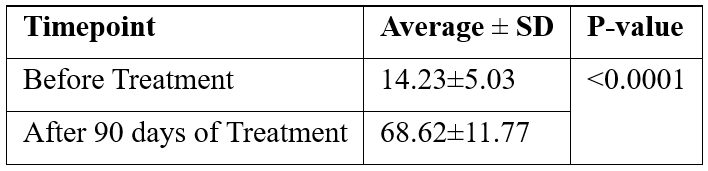
Data are presented as Mean ± SD. Within-group comparison was performed using the Wilcoxon signed Rank test. A p-value <0.05 was considered statistically significant.
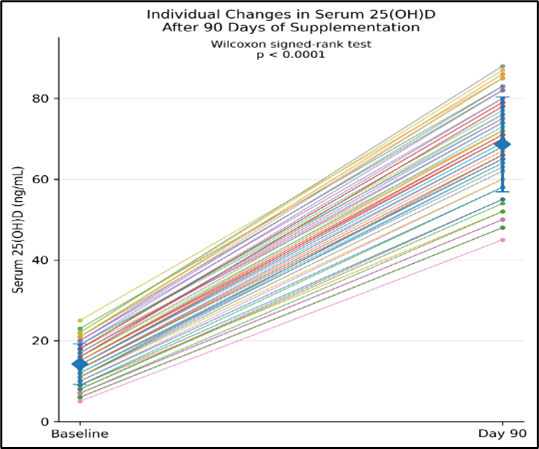
Figure 1: Change in Serum 25(OH)D Levels from Baseline to Day 90.
Assessment of reduction in Symptoms
At baseline, participants reported symptoms commonly associated with vitamin D deficiency, including irritability, body ache, cramps, fatigue, muscle cramps, and poor sleep. Following 90 days of supplementation with plant-based vitamin D₃, marked symptomatic improvement was observed. Statistically significant reductions were noted for most baseline symptoms (p < 0.05). This reduction in symptom burden suggests a significant positive impact of the intervention on general well-being, and sleep quality, supporting the clinical effectiveness of the supplementation. No adverse events were reported by any participant during the 90-day intervention period.
Table 2: Change in Symptom Prevalence from Baseline to Day 90.
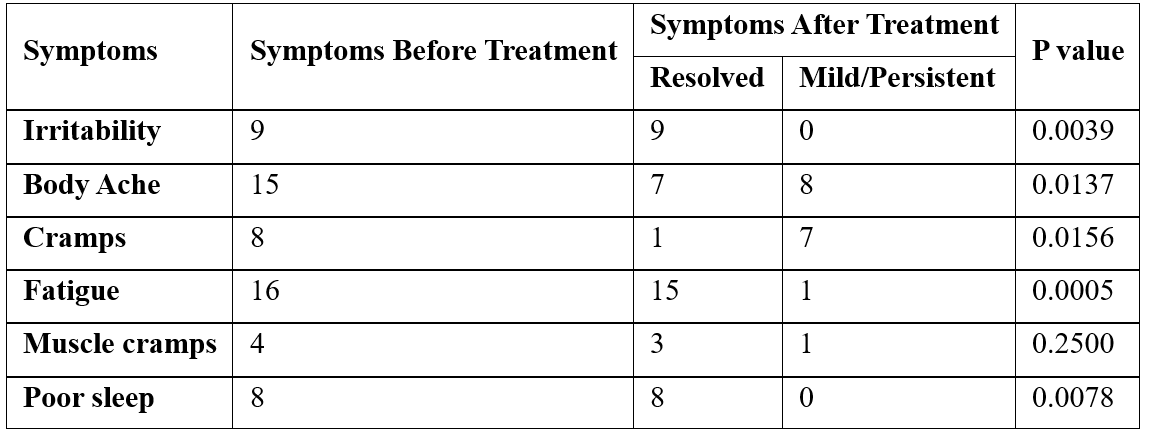
Data are presented as the number of subjects with each symptom at baseline and their status after treatment. Within-group comparisons of paired binary symptom outcomes resolved/persistent after were performed using McNemar's exact test. A two-sided p-value <0.05 was considered statistically significant.
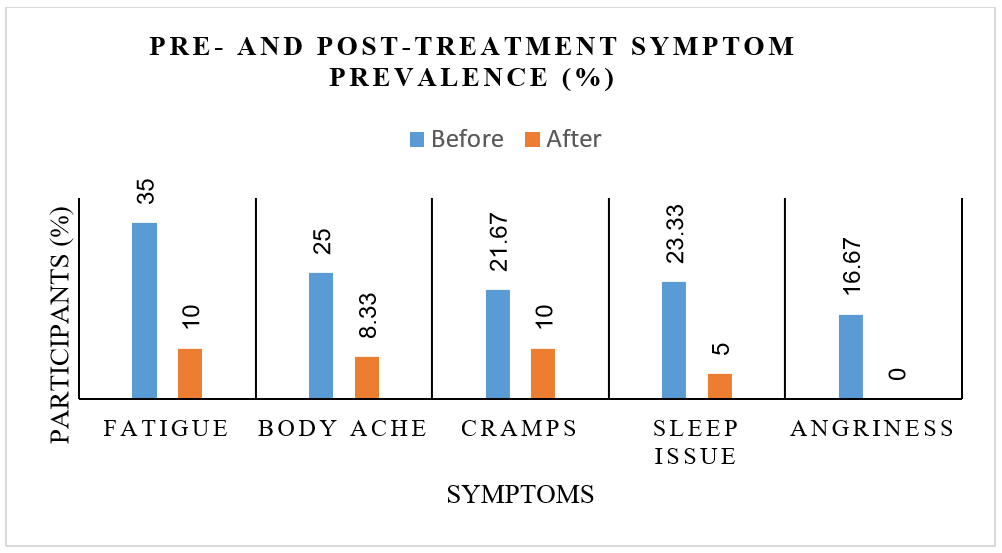
Figure 2: Change in Symptom Prevalence from Baseline to Day 90.
Discussion
The present study demonstrated that 90 days of supplementation with plant-based vitamin D₃ was associated with a significant increase in serum 25-hydroxyvitamin D [25(OH)D] concentrations and improvement in symptoms commonly associated with vitamin D deficiency. Serum 25(OH)D levels increased from the deficient range at baseline to the sufficient range after supplementation, with the change reaching high statistical significance (p < 0.001). This biochemical improvement was accompanied by significant reductions in the prevalence of several deficiency-related symptoms, including fatigue, body ache, cramps, irritability, and poor sleep, suggesting a favourable clinical response to the intervention.
The observed findings are consistent with the established physiological role of vitamin D in calcium and phosphate homeostasis, neuromuscular function, and immune regulation. Restoration of adequate vitamin D status has been associated with improvements in muscle function, musculoskeletal health, and overall well-being, which may explain the symptomatic improvements observed in the present study [12,13].
In addition to lichen-derived vitamin D₃, the formulation contains nutritional yeast, Boswellia serrata extract, and Lithothamnium algae extract. Nutritional yeast provides essential micronutrients, while Lithothamnium algae is a natural source of bioavailable calcium and trace minerals that may support bone health. Boswellia serrata possesses well-documented anti-inflammatory properties that may contribute to the relief of musculoskeletal symptoms [14]. Although the present study was not designed to evaluate the individual contribution of these ingredients, their combined presence may have supported the overall clinical benefits observed following supplementation.
The findings of this study are consistent with previous reports demonstrating that vitamin D supplementation effectively corrects vitamin D deficiency and is associated with improvement in deficiency-related clinical manifestations [15]. However, the interpretation of these findings should consider the study's limitations. The before-and-after study design without a control group limits the ability to attribute the observed improvements solely to the intervention, and the relatively small sample size may limit the generalizability of the findings. Larger, well-controlled clinical studies are warranted to confirm these results and to further evaluate the clinical effectiveness of lichen-derived vitamin D₃ formulations, including the potential contribution of adjunct ingredients.
Conclusion
This case series suggests that supplementation with plant-based vitamin D₃ was associated with a significant increase in serum 25-hydroxyvitamin D [25(OH)D] concentrations and improvements in symptoms commonly associated with vitamin D deficiency after 90 days of intervention. Significant reductions in fatigue, body ache, cramps, irritability, and poor sleep were observed alongside restoration of serum vitamin D levels, indicating favourable biochemical and clinical outcomes. Vitamin D₃ supplementation should be considered as part of a comprehensive approach to the management of vitamin D deficiency that includes a balanced diet, adequate sunlight exposure, and healthy lifestyle practices. The lichen-derived formulation evaluated in this study may represent a promising plant-based alternative for improving vitamin D status in deficient adults. Further well-designed, controlled clinical studies with larger populations and longer follow-up are needed to confirm the effectiveness, safety, and long-term clinical utility of this formulation.
Author Contribution: CS and SP contributed equally to the conception and design of the study. PP, SD, and VG contributed to data acquisition and analysis. All authors contributed to manuscript preparation and critical revision. All authors read and approved the final manuscript.
Funding Statement: The study, including the investigational product and study-related expenses, was funded by Gplife Healthcare Pvt. Ltd., Surat, Gujarat, India.
Conflict of Interest Statement: The authors are affiliated with Gplife Healthcare Pvt. Ltd., the sponsor of the study. The authors declare that the study was conducted and reported in accordance with accepted scientific and ethical standards.
Data Availability Statement: The datasets generated and/or analysed during the current study are not publicly available due to intellectual property constraints.
References
- Haussler MR, Whitfield GK, Kaneko I, Haussler CA, Hsieh D, Hsieh JC, et al. Molecular Mechanisms of Vitamin D Action. Calcif Tissue Int, 2013; 92(2): 77–98. doi: 10.1007/s00223-012-9619-0.
- Pike JW, Christakos S. Biology and Mechanisms of Action of the Vitamin D Hormone. Endocrinol Metab Clin North Am, 2017; 46(4): 815–843. doi: 10.1016/j.ecl.2017.07.001.
- Holvik K, Madar AA, Meyer HE, Lofthus CM, Stene LC. Changes in the vitamin D endocrine system and bone turnover after oral vitamin D3 supplementation in healthy adults: results of a randomised trial. BMC Endocr Disord, 2012; 12(1): 7. doi: 10.1186/1472-6823-12-7.
- Siddiqee MH, Bhattacharjee B, Siddiqi UR, MeshbahurRahman M. High prevalence of vitamin D deficiency among the South Asian adults: a systematic review and meta-analysis. BMC Public Health, 2021; 21(1).
- Samir ZE, Haj Bloukh. Vitamin D Deficiency: Main Factors Affecting the Serum 25-Hydroxyvitamin D ([25(Oh)D]) Status and Treatment Options, 2016; p. 2348–6848.
- Al Argan RJ, Alqatari SG, Alwaheed AJ, Hasan MA, AlQahtani SY, Al Shubbar MD, et al. Vitamin D deficiency in obesity: Epidemiological evidence, biological mechanisms, and clinical considerations. Obesity Medicine, 2026; 59: 100680.
- Bedi GS, Phanghate AN, Madkholkar N, Chaudhari VL. Effectiveness and Safety of Vitamin D₃ Supplementation in Adults: Insights from an Indian Retrospective Analysis. Annals of Medicine and Medical Sciences, 2025; 4: 1025–1030.
- Kaza PL, Moulton T. Severe Vitamin D Deficiency in a Patient with Sickle Cell Disease. J Pediatr Hematol Oncol, 2014; 36(4): 293–296. doi: 10.1097/MPH.0000000000000045.
- National Institutes of Health. Vitamin D. National Institutes of Health, 2025.
- Kalra S, Zargar AH, Das AK, Baidya A, Dasgupta A, Selvan C, et al. Prevention and Treatment of Vitamin D Deficiency in India: An Expert Group Consensus. Indian Journal of Endocrinology and Metabolism, 2025; 29(1): 13–26.
- Jäpelt RB, Jakobsen J. Vitamin D in plants: a review of occurrence, analysis, and biosynthesis. Front Plant Sci, 2013; 4: 136. doi: 10.3389/fpls.2013.00136.
- Wang JJD, Quak GSW, Lee HB, Foo LX, Tay P, Mah SM, et al. The Role of Vitamin D Supplementation in Enhancing Muscle Strength Post-Surgery: A Systemic Review. Nutrients, 2025; 17(9): 1512.
- Han Q, Xiang M, An N, Tan Q, Shao J, Wang Q. Effects of vitamin D3 supplementation on strength of lower and upper extremities in athletes: an updated systematic review and meta-analysis of randomized controlled trials. Frontiers in Nutrition, 2024; 11.
- Mamatha K, Prabhakaran P, Das SS, Aryan MK, Thomas J. A full-spectrum Boswellia serrata extract with enhanced bioavailability, and its co-delivered system with curcumin alleviate pain and stiffness associated with moderate spondylitis: a randomized double-blind, placebo-controlled, 3-arm study. Frontiers in Pharmacology, 2025; 16.
- Osama Albasheer, Abdelwahab SI, Alqassim A, Hatim Alessa, Afnan Madkhali, Afaf Hakami, et al. Effects of vitamin D supplementation on symptoms and clinical outcomes in adults with different baseline vitamin D levels: an interventional study. Journal of Health Population and Nutrition, 2025; 44(1).