
Email id: info@ijclinmedcasereports.com
Sulopenem Etzadroxil-Probenecid FDA Approval and Significance
Bushra Firdous Shaik1,*, Simhachalam Gurugubelli2, Swathi Cherukuri3, Sushma Moka4, Thejaswi Dasaradhan5, Alekhya Golagabathula6, Rithish Nimmagadda7, Bhavani Gangineni8, Akhil Sadhu9, Manoj Pallapothu10, Athira Nair11, Rumitha Chakilam12, Sai Harsha Yendluri13 and Sahithi Krovvidi14
1Internal Medicine Faculty, Piedmont Macon Hospital, Macon, Georgia, USA
2Clinical Asst Professor, IU school of Medicine, Fort Wayne, Indiana, USA
3Narayana Medical College and Hospital, Nellore, India
4Kamineni Academy of Medical Sciences and research center, LB Nagar, Hyderabad, Telangana, India
5St. Francis Medical Center, Lynwood, California, USA
6National Medical College and Teaching Hospital, Nepal
7One Brooklyn Health - Interfaith Medical center, Brooklyn, NYC, USA
8Harlingen Medical Center, Harlingen, Texas, USA
9Baptist Memorial Medical Education, Southaven, MS, USA
10University of South Carolina, Columbia, SC, USA
11US med school or program name: Uni of South Carolina, Columbia
12US med school or program name: Summa Health System, Akron, OH, USA
13BronxCare Health System, Bronx, NY, USA
14US med school or program name: St. Marys General Hospital, Alpharetta, GA, USA
Received Date: 18/05/2026; Published Date: 07/09/2026
*Corresponding author: Bushra Firdous Shaik, Department of Internal Medicine, Piedmont Macon Hospital, Macon, Georgia, USA
Abstract
Uncomplicated Urinary Tract Infections (uUTIs) are a common clinical challenge, particularly among non-pregnant women, with symptoms such as dysuria, urgency, and suprapubic discomfort. The rising prevalence of antimicrobial resistance, especially among uropathogens like Escherichia coli and Klebsiella pneumoniae, has limited the effectiveness of traditional antibiotics such as fluoroquinolones and cephalosporins. This narrative review explores the role of Sulopenem Etzadroxil-Probenecid, a novel oral combination therapy recently approved by the FDA for acute uncomplicated cystitis. Sulopenem, a penem antibiotic, exhibits broad-spectrum activity against resistant Gram-negative pathogens, including extended-spectrum beta-lactamase (ESBL)-producing organisms, while probenecid enhances its pharmacokinetics by reducing renal clearance. Clinical trials have demonstrated Sulopenem Etzadroxil-Probenecid’s superiority over ciprofloxacin in treating ciprofloxacin-resistant uUTIs, with a favorable safety profile characterized by mild to moderate adverse events, primarily gastrointestinal. However, a higher incidence of asymptomatic bacteriuria (ASB) has been observed with sulopenem compared to ciprofloxacin, likely due to differences in their effects on vaginal flora. Despite this, sulopenem-treated patients did not experience higher rates of clinical relapse, suggesting ASB may reflect recolonization rather than treatment failure. Limitations, including inactivity against Pseudomonas aeruginosa and the potential for resistance development, underscore the need for judicious use within antimicrobial stewardship programs. This review highlights the drug’s pharmacological characteristics, clinical efficacy, and implications for addressing multidrug-resistant infections, while emphasizing the importance of future research to optimize its use and explore combination therapies. Sulopenem Etzadroxil-Probenecid represents a promising advancement in the management of resistant uUTIs, offering a critical tool in the ongoing battle against antimicrobial resistance.
Over view of uncomplicated Urinary Tract Infections (UTIs)
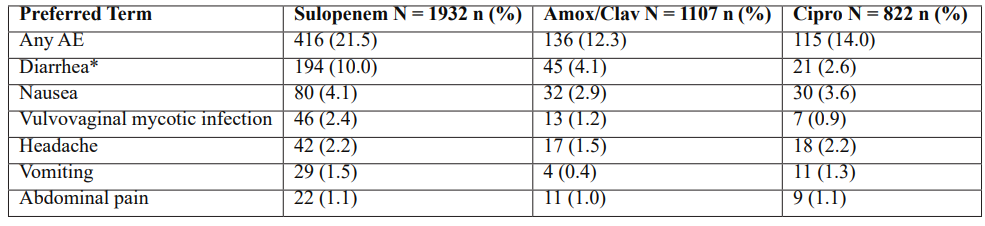
Uncomplicated urinary tract infection (uUTI) refers to recurrent or intermittent cystitis in non-pregnant women without any significant anatomical abnormalities of the urinary tract. Symptoms such as dysuria, urgency, frequency, and suprapubic discomfort indicate the presence of bacteria in the urine and are used to diagnose UTIs [1–3]. Compared to men, women are much more likely to get a UTI. By the age of 24, almost one in three women will have experienced at least one UTI episode necessitating antibiotic treatment. Nearly 50% of women will get a UTI at least once in their lifetime [4]. Typically, an uncomplicated UTI only affects the bladder. Enteric coliforms, which usually reside in the periurethral vaginal introitus, are the majority of organisms that cause a UTI. These microorganisms cause an inflammatory response known as cystitis when they infiltrate the bladder's mucosal wall after ascending the urethra. Because it facilitates the entry and inoculation of germs into the bladder, sexual activity is a common cause of urinary tract infections [5]. Asymptomatic bacteriuria is rather frequent and doesn't need to be treated, with the exception of immunocompromised individuals, transplant recipients, pregnant women, and people who recently had urologic surgery. First-line agents for uncomplicated UTIs include nitrofurantoin, sulfamethoxazole/trimethoprim, Fosfomycin, and first-generation cephalosporins [6]. Even short-term exposure to antibiotics can significantly impact the bacterial community in the human body, leading to the emergence of resistant pathogens and affecting symbiotic species. The increased use of broad-spectrum antibiotics results in antibiotic resistance [7]. However, with the rise in antimicrobial resistance, treatment options are becoming limited, making it crucial to explore newer therapies like sulopenem etzadroxil- probenecid.
Introduction
The growing threat of antimicrobial resistance, particularly among urinary tract infections (UTIs), underscores the urgent need for novel therapeutic approaches. Acute uncomplicated cystitis, one of the most common UTIs in adult females, is increasingly caused by multidrug-resistant pathogens such as extended-spectrum beta-lactamase (ESBL)-producing organisms. These pathogens exhibit resistance to many conventional antibiotics, including fluoroquinolones and penicillins, presenting a significant challenge to clinicians [8].
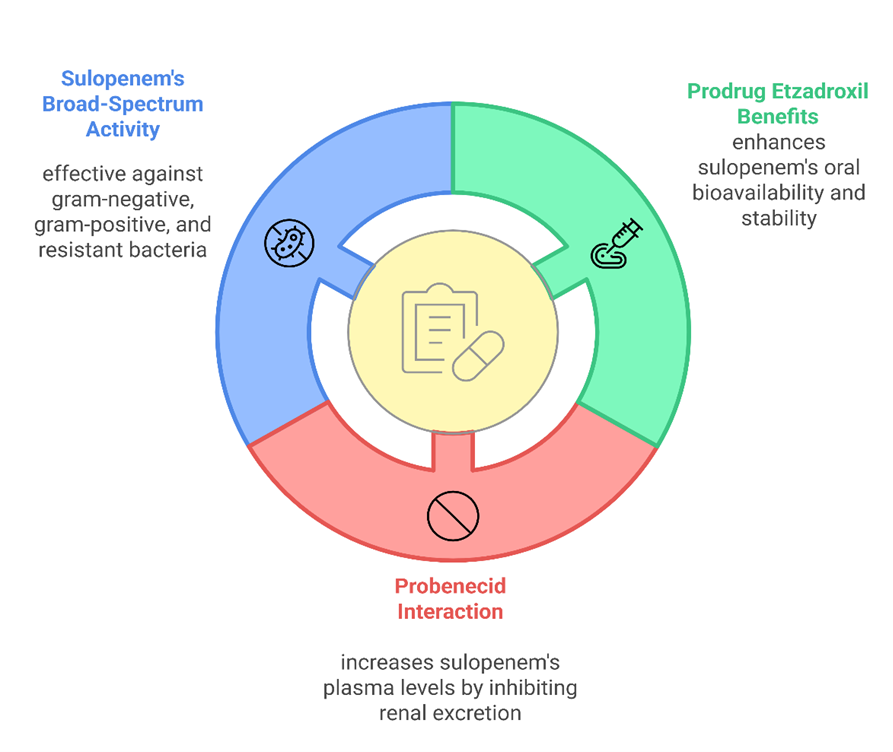
In response to this rising resistance, Sulopenem Etzadroxil-Probenecid (ORLYNVA™ ) has emerged as a promising new combination therapy. Recently approved by the U.S. Food and Drug Administration (FDA) for the treatment of acute uncomplicated cystitis in adult females, this drug offers a novel oral alternative for combating infections caused by resistant gram-negative pathogens. The combination leverages the broad-spectrum antibacterial activity of Sulopenem, a penem antibiotic with efficacy against ESBL-producing organisms, and the pharmacokinetic-enhancing properties of Probenecid, which inhibits renal excretion and prolongs drug exposure [9,10].
Sulopenem exerts its bactericidal effects by targeting penicillin-binding proteins (PBPs) within the bacterial cell wall, disrupting cell wall synthesis and leading to bacterial death. Enhanced by the prodrug Etzadroxil, which improves oral bioavailability, and the addition of Probenecid, which extends its half-life, this combination maximizes therapeutic potential against resistant gram-negative pathogens such as Escherichia coli, Klebsiella pneumoniae, and Proteus mirabilis [11].
This review explores the pharmacological characteristics, mechanism of action, and clinical significance of Sulopenem Etzadroxil-Probenecid. By addressing the limitations of conventional antibiotics and providing an effective oral therapy against ESBL-producing organisms, this innovative drug combination marks a pivotal step in the fight against antimicrobial resistance.
Pharmacological Characteristics
a. Mechanism of action:
ORLYNVA™ is a combination of sulopenem etzadroxil, a penem-class antibacterial agent, and probenecid, a renal tubular inhibitor. Sulopenem etzadroxil is hydrolyzed into its active form, sulopenem, a β-lactam antibiotic that exhibits broad-spectrum activity against Gram-positive and Gram-negative pathogens. Its mechanism of action involves the inhibition of bacterial cell wall synthesis by binding to penicillin-binding proteins (PBPs), leading to bacterial cell lysis [12].
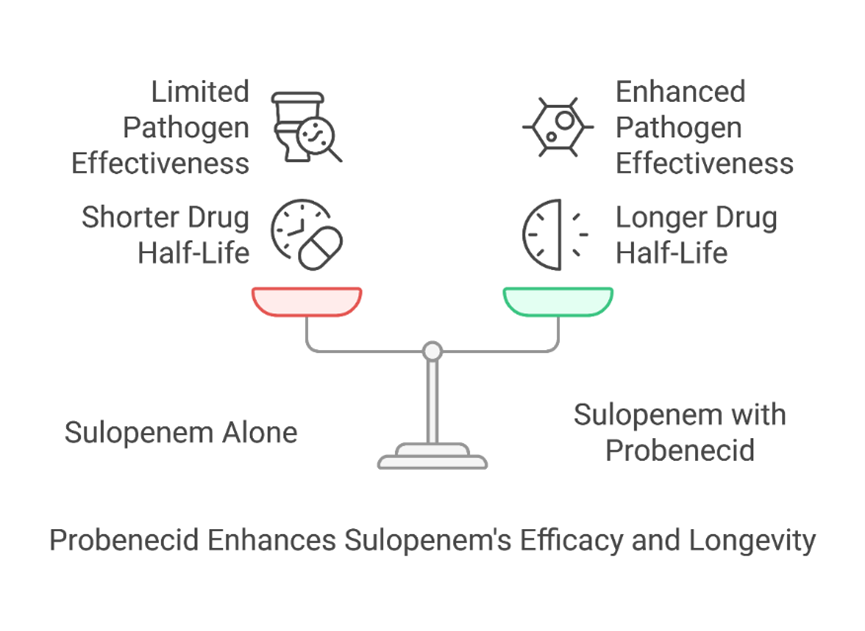
Probenecid plays a crucial role in optimizing the pharmacokinetics of sulopenem. It acts as an inhibitor of organic anion transporter 3 (OAT3) in the renal tubules, thereby reducing the renal clearance of sulopenem. This inhibition leads to increased and sustained plasma concentrations of sulopenem, enhancing its efficacy against pathogens. By leveraging this combination, ORLYNVA™ achieves improved bioavailability and therapeutic impact, addressing critical limitations in the treatment of drug-resistant bacterial infections [12].
b. Pharmacokinetics:
Sulopenem etzadroxil, a prodrug of sulopenem, undergoes hydrolysis by esterases to yield its active form, sulopenem. Following single oral administration of ORLYNVA™ (500 mg sulopenem etzadroxil and 500 mg probenecid) in healthy subjects, the pharmacokinetics of both sulopenem and probenecid were characterized under fasting and fed conditions [12].
Absorption
- The bioavailability of sulopenem is approximately 40% in the fasting state, increasing to 64% under fed conditions.
- Probenecid’s bioavailability and absorption characteristics are not fully defined, although the fed condition decreases its maximum plasma concentration (Cmax) by 27%.
- The median time to peak plasma concentration (Tmax) for sulopenem is 1.0 hour (fasted) and 2.0 hours (fed), while for probenecid, it is 3.0 hours (fasted) and 2.0 hours (fed) [12].
Distribution
- The apparent volume of distribution for sulopenem is 134 L (fasted) and 92.1 L (fed), while for probenecid, it is 8.81 L (fasted) and 11.9 L (fed).
- Sulopenem exhibits low protein binding at 11%, while the protein-binding properties of probenecid remain unknown [12].
Elimination
- Sulopenem has a mean half-life of 1.18 hours (fasted) and 1.28 hours (fed), while probenecid exhibits a longer half-life of 2.93 hours (fasted) and 3.83 hours (fed).
- The primary clearance of sulopenem is through renal and fecal excretion, with 40.8% excreted in urine (3.1% unchanged) and 44.3% excreted in feces (26.9% unchanged).
- Probenecid's clearance mechanisms and excretion pathways remain undefined [12].
Metabolism
- Sulopenem is metabolized into inactive metabolites (M1a and M1b) after hydrolysis and subsequent dehydrogenation. M1a and M1b account for 21.8% and 43.6% of circulating radioactivity, respectively.
- Probenecid’s metabolic pathways are currently unknown [12].
Effect of Food
A high-fat meal increases sulopenem’s Cmax by 45% and AUC0-inf by 48%, enhancing its absorption and exposure. Conversely, probenecid’s Cmax decreases by 27%, and its AUC0-inf reduces by 8% under similar conditions.
These pharmacokinetic properties highlight the significant influence of food on sulopenem absorption and the role of probenecid in modulating sulopenem’s renal clearance, ultimately enhancing its plasma concentrations and therapeutic efficacy [12].
Specific Populations
General Factors
The pharmacokinetics of sulopenem do not show clinically significant differences based on age, sex, or body weight. However, the effect of hepatic impairment on sulopenem pharmacokinetics has not been studied.
Patients with Renal Impairment
Renal function significantly affects sulopenem’s plasma exposure:
- Mild impairment (CrCL 60–89 mL/min): 2-fold increase in plasma AUC.
- Moderate impairment (CrCL 30–59 mL/min): 3-fold increase in plasma AUC.
- Severe impairment (CrCL 15–29 mL/min): 7.4-fold increase in plasma AUC.
These findings are based on a 1000 mg oral dose of sulopenem etzadroxil, which is not a recommended regimen. The effects of kidney failure (CrCL <15 mL/min) or hemodialysis on sulopenem pharmacokinetics remain unknown [12].
a. Pharmacodynamics:
Sulopenem’s efficacy, like other beta-lactam antibiotics, depends on the duration that its unbound plasma concentrations remain above the minimum inhibitory concentration (MIC) for the infecting organism. This relationship has been confirmed in in vitro infection models, highlighting its time-dependent antibacterial activity [12].
Cardiac Safety
Sulopenem has been evaluated for its effects on cardiac electrophysiology. Even at concentrations 40 times higher than those achieved with a single oral dose of ORLYNVA™, it does not significantly prolong the QTc interval, indicating a favorable cardiac safety profile [12].
Clinical Trial Data
Comparison of Sulopenem and Common Antibiotics in Treating Uncomplicated UTIs
Several clinical trials have been conducted to compare the efficacy of cephalosporins and amoxicillin-clavulanate in treating uncomplicated UTIs. However, fewer studies have specifically evaluated sulopenem for this indication, although preliminary data suggest it may offer promising results.
Design and Methodology of Pivotal Trials
A comprehensive comparison of commonly used antibiotics for uncomplicated urinary tract infections (UTIs) has been conducted in multiple studies. A randomized, controlled, double-blinded trial compared ciprofloxacin (n = 150) with cefpodoxime (n = 150) in 300 women aged 18 to 55 years with uncomplicated cystitis, where Patients were administered either ciprofloxacin 250 mg twice daily for 3 days or cefpodoxime proxetil 100 mg twice daily for 3 days [13]. Another single-blinded randomized trial compared amoxicillin-clavulanate with ciprofloxacin in 332 women aged 10 to 45 years, with 160 women receiving amoxicillin-clavulanate 500 mg/125 mg twice daily and 162 women treated with ciprofloxacin 250 mg twice daily for 3 days, followed for 4 months [14].The pivotal clinical trials evaluating sulopenem etzadroxil-probenecid (oral sulopenem) for uncomplicated UTIs primarily focused on its efficacy, safety, and tolerability. A prospective, randomized, multicenter, double-blind, double-dummy study compared oral sulopenem etzadroxil/probenecid to ciprofloxacin among 1,671 women (≥18 years) with uncomplicated UTIs from 142 centers across 4 countries. In this study, 835 patients received sulopenem etzadroxil 500 mg/probenecid 500 mg twice daily for 5 days, while 836 were treated with ciprofloxacin 250 mg twice daily for 3 days [11,15].
Efficacy outcomes compared to ciprofloxacin and Amoxicillin clavulanate:
The studies comparing ciprofloxacin to cefpodoxime and amoxicillin-clavulanate concluded that ciprofloxacin is the current superior treatment for acute uncomplicated cystitis in women [13,14]. In comparison, recent studies show that sulopenem etzadroxil/probenecid (sulopenem) is superior to ciprofloxacin, especially in populations with quinolone-resistant organisms [11].
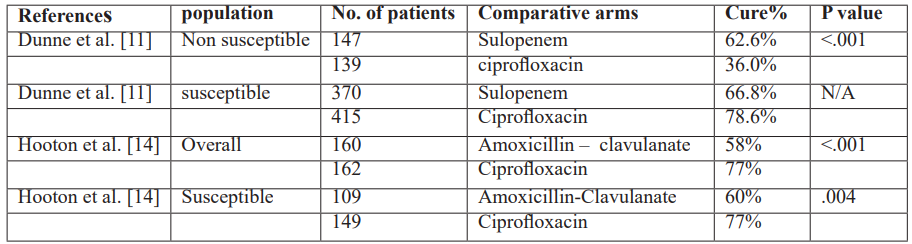
For example, in a trial where the intent-to-treat analysis was applied, ciprofloxacin achieved a clinical cure rate of 93% (139/150), while cefpodoxime had a cure rate of 82% (123/150), resulting in an 11% difference (95% CI, 3% – 18%) [13]. Similarly, in the amoxicillin-clavulanate versus ciprofloxacin study, 58% of 160 women treated with amoxicillin-clavulanate achieved clinical cure, compared to 77% of 162 women treated with ciprofloxacin (P < .001) [2]. Among women with susceptible infections, ciprofloxacin outperformed amoxicillin-clavulanate (77% vs. 60%, P = .004) [14].
In studies comparing sulopenem with ciprofloxacin, sulopenem demonstrated superior efficacy in the non-susceptible population. For example, the clinical cure rate for sulopenem was 62.6%, compared to 36.0% for ciprofloxacin, with a 26.6% difference (95% CI, 15.1 to 7.4; P < .001). However, for susceptible pathogens, sulopenem was not considered non-inferior to ciprofloxacin, with cure rates of 66.8% for sulopenem and 78.6% for ciprofloxacin, showing a difference of −11.8% (95% CI, −18.0 to 5.6) [11].
Subgroup Analyses and Key Observations
Sulopenem etzadroxil, an oral prodrug of intravenous sulopenem, is effective against multidrug-resistant gram-negative pathogens, including those that produce extended-spectrum β-lactamases (ESBLs), similar to ertapenem [9]. When comparing sulopenem to ciprofloxacin in patients with ciprofloxacin-resistant uropathogens, sulopenem was significantly more effective, with a clinical cure rate of 62.6% for sulopenem compared to 36.0% for ciprofloxacin (P < .001) [11]. However, for ciprofloxacin-susceptible pathogens, sulopenem was not non-inferior to ciprofloxacin, with cure rates of 66.8% for sulopenem and 78.6% for ciprofloxacin (P = .004) [11].
Another key observation from the trial is that sulopenem-treated patients exhibited a higher rate of asymptomatic bacteriuria (ASB) post-treatment compared to those treated with ciprofloxacin. Despite this, sulopenem-treated patients did not experience a higher rate of clinical relapse, suggesting that the presence of pathogens in the urine likely reflected bladder recolonization rather than treatment failure [11]. ASB may occur sooner post-treatment in sulopenem-treated patients compared to those treated with ciprofloxacin due to ciprofloxacin's greater impact on vaginal flora. Ciprofloxacin, a fluoroquinolone, has a more significant effect on the vaginal microbiome than β-lactams like sulopenem, potentially influencing bladder recolonization rates [13,14,16–18].
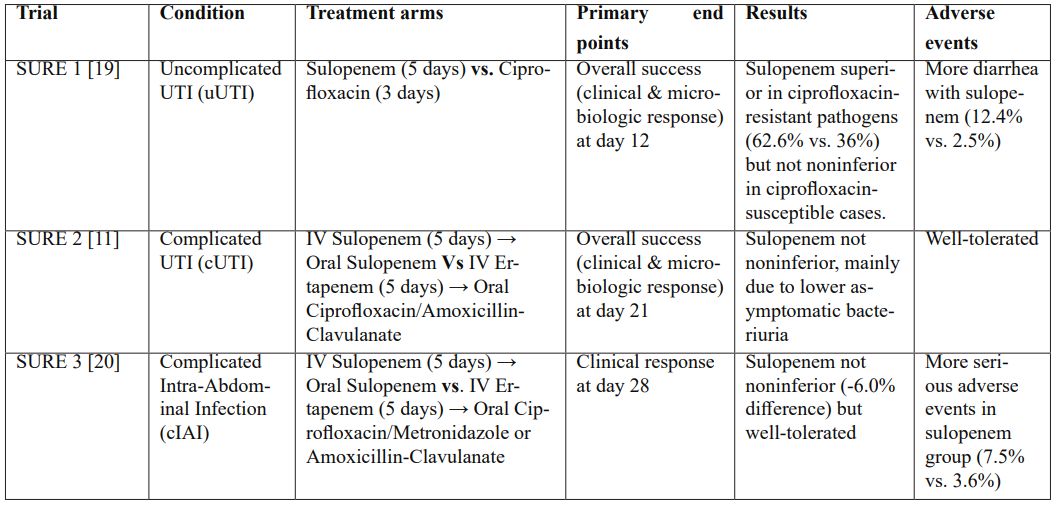
Not only in uncomplicated UTIs, but also in complicated UTIs, sulopenem demonstrates comparable efficacy to ertapenem in patients with quinolone-resistant organisms. However, sulopenem, followed by oral sulopenem-etzadroxil/probenecid, was not considered non-inferior to ertapenem followed by oral ciprofloxacin therapy for treating complicated UTIs, primarily due to a higher rate of asymptomatic bacteriuria in patients treated with sulopenem [11].
Safety and Adverse Events
Summary of Safety Profile and Tolerability in Trials
In a trial comparing the safety of sulopenem and ertapenem, adverse events occurred in 15.1% of patients receiving sulopenem and 16.4% of those receiving ertapenem, with most adverse events being mild or moderate in severity and a similar distribution between the two groups, while serious adverse events were observed in 2.0% of sulopenem-treated patients and 0.9% of ertapenem-treated patients, none of which were considered related to the study treatment, and notably, the sulopenem group had two deaths, both due to malignancies (salivary gland tumor and renal cell carcinoma), a small number of patients discontinued the study drug due to adverse events, the most commonly reported adverse events (≥2% of patients) were headache and diarrhea, with no cases of Clostridioides difficile colitis reported, and there were no significant changes in laboratory values or vital signs observed during the trial [11].
The results indicate that sulopenem has a generally tolerable safety profile with mild or moderate adverse events. Serious and drug-related events were less common, and the incidence of adverse events leading to discontinuation was low [11].
Sulopenem Versus Ciprofloxacin in Uncomplicated Urinary Tract Infections
In a clinical trial comparing sulopenem and ciprofloxacin for treating uncomplicated urinary tract infections (uUTI), sulopenem demonstrated superior efficacy in patients with uUTIs caused by ciprofloxacin-nonsusceptible pathogens, achieving a success rate of 62.6% versus ciprofloxacin's 36.0%, while diarrhea was more common in the sulopenem group (12.4% vs 2.5%), adverse events were generally mild to moderate, indicating that sulopenem is well tolerated with a safety profile comparable to ciprofloxacin, and further studies are needed to confirm the long-term safety of sulopenem [19].
Safety Profile of Sulopenem Etzadroxil/Probenecid
In a clinical trial evaluating the safety of Sulopenem Etzadroxil/Probenecid, adverse events occurring at a frequency greater than 1% were compared with those associated with amoxicillin/clavulanate and ciprofloxacin. The table below summarizes the frequency of common adverse events observed in patients receiving these treatments [21].
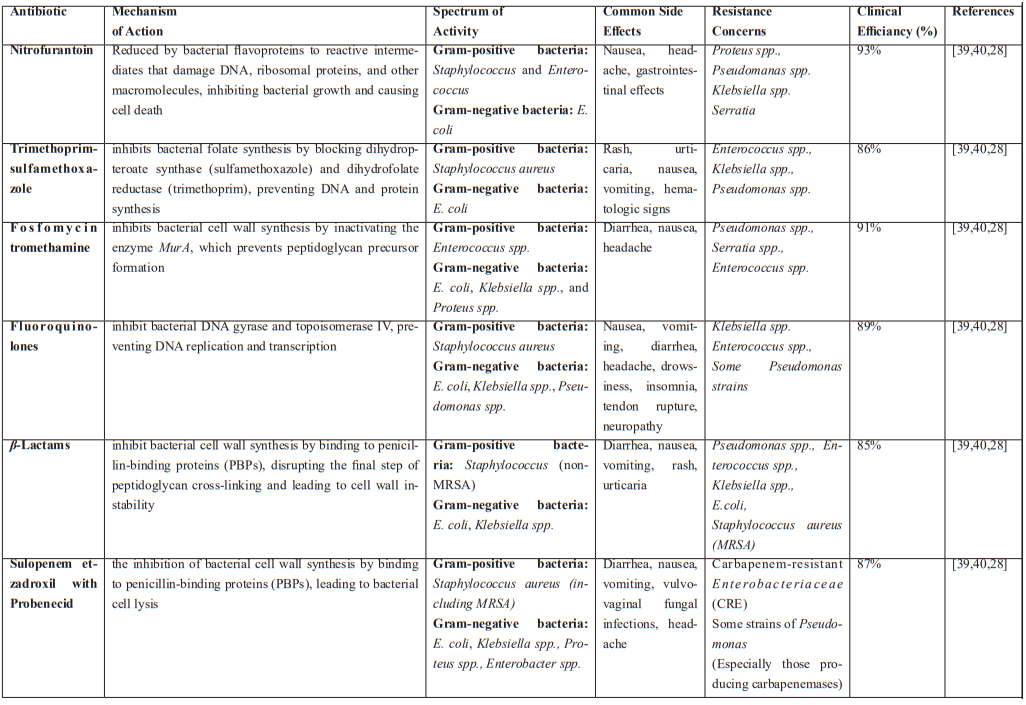
Source: adae.xpt; software, R. The PT diarrhea includes the PTs of diarrhea and loose stools; the PT vulvovaginal mycotic infection includes vulvovaginal mycotic infection, vulvovaginal candidiasis, vaginal infection, fungal infection, genital infection fungal, and Candida infection; the PT abdominal pain includes abdominal pain, abdominal pain lower, abdominal pain upper, and abdominal discomfort.
*Most cases were mild in severity and did not lead to sulopenem discontinuation. There were no cases of Clostridioides difficile infection in the sulopenem arm.
These findings suggest that Sulopenem Etzadroxil/Probenecid is associated with adverse events like diarrhea, nausea, headache, abdominal pain, and vomiting at frequencies comparable or different from amoxicillin/clavulanate and ciprofloxacin. However, further analysis of specific clinical trial data is required to gain a deeper understanding of these findings [21].
Common and Severe Side Effects
Sulopenem Etzadroxil/Probenecid was generally well tolerated in clinical settings, with mild, self-limiting diarrhea being the most commonly reported adverse event, and this gastrointestinal issue was the only side effect that occurred more frequently in treated patients, while the most frequent adverse reactions (≥2%) included diarrhea, nausea, vulvovaginal fungal infections, headache, and vomiting, reflecting the typical gastrointestinal and systemic side effects associated with antimicrobial therapies [11,12].
Other Adverse Effects
Sulopenem Etzadroxil/Probenecid has been associated with various other side effects, including cardiac disorders such as tachycardia, ear disorders like dizziness and vertigo, and gastrointestinal issues such as abdominal bloating, constipation, dry mouth, and acid reflux, general symptoms like fatigue, discomfort, swelling, pain, and fever have also been reported, alongside hepatobiliary disorders such as elevated liver enzymes and hepatomegaly, infections like bacterial vaginosis and Candida infections were noted, as well as musculoskeletal complaints like joint pain and back pain, nervous system disorders including dizziness, loss of taste, and headaches, as well as psychiatric symptoms like confusion, were observed, renal and urinary symptoms, including unusual urine odor, and reproductive issues such as vulvovaginal itching were also reported, respiratory symptoms like cough and dyspnea, skin issues such as rash and itching, and vascular disorders like flushing and hypertension have also been documented [12].
Hypersensitivity Reactions
Hypersensitivity reactions, including anaphylaxis, have been reported in patients treated with Sulopenem Etzadroxil/Probenecid, and severe allergic reactions and anaphylaxis have been observed with beta-lactam antibiotics, while probenecid has also been associated with such reactions [12].
Adverse Reactions Not Observed in Clinical Studies
Patient Population to Avoid
Sulopenem Etzadroxil/Probenecid is contraindicated in patients with a history of hypersensitivity to its components or other beta-lactam antibiotics, it is also contraindicated in individuals with blood disorders or a history of uric acid kidney stones, as well as those with a history of gout, as it may exacerbate the condition if prescribed, appropriate therapy for gout should be initiated, concurrent use with ketorolac tromethamine is not recommended [22].
Renal Impairment and Dosage Adjustments
The administration of sulopenem etzadroxil/probenecid is not recommended in patients with a creatinine clearance (CrCL) of less than 15 mL/min or those undergoing hemodialysis, as the pharmacokinetics of the drug, have not been studied in these populations, for patients with severe renal impairment (CrCL <30 mL/min) who are not undergoing regular hemodialysis, dose adjustments may be necessary, however, further clinical trials are required to evaluate the drug’s safety, efficacy, and appropriate dosing in patients with renal impairment [19,22].
Breastfeeding Considerations
There is no specific information available regarding the use of sulopenem during breastfeeding, however, its excretion into breast milk is expected to be similar to that of imipenem and meropenem, which are present in low levels that are unlikely to harm breastfed infants, limited data suggests that maternal doses of probenecid up to 2 grams per day result in low milk concentrations, posing minimal risk to infants, particularly those older than 2 months, although beta-lactams can occasionally disrupt an infant's gastrointestinal flora, leading to diarrhea or thrush, these effects have not been thoroughly studied, sulopenem-probenecid is considered safe for use in nursing mothers [23].
Indications and usage
Approved indications: Acute simple cystitis in adult females
In adult women with limited or no other oral antibacterial treatment options, ORLYNVAH, a combination of sulopenem and etzadroxil, is recommended for the treatment of uncomplicated urinary tract infections (uUTI) caused by the designated microorganisms Escherichia coli, Klebsiella pneumoniae, or Proteus mirabilis [24]. For uncomplicated UTIs (uUTIs), Orlynvah is a bilayer tablet that contains 500 mg SE and 500 mg probenecid, It is intended to be taken orally twice a day for five days [25]. The orally bioavailable thiopenem sulopenem etzadroxil/probenecid has shown greater effectiveness compared to ciprofloxacin and quinolone in patients with baseline uropathogens that were resistant to ciprofloxacin and quinolone [19,26].. This oral formulation provides an option for outpatient treatment and facilitates IV-to-oral transition therapy, enabling the early discharge of hospitalized patients [11]. A key reason for using sulopenem etzadroxil/probenecid is to help prevent the development of drug-resistant bacteria and preserve the effectiveness of antibiotics [27].
Off-label consideration and exclusions
Sulopenem etzadroxil-probenecid is not approved for treating complicated urinary tract infections (cUTI), complicated intra-abdominal infections (cIAI), or for use as a step-down therapy after intravenous antibiotics for cUTI and cIAI [1]. In a clinical trial comparing IV sulopenem with oral sulopenem etzadroxil/probenecid to ertapenem for complicated UTIs, the sulopenem regimen matched ertapenem in symptom resolution by therapy's end but was less effective in eradicating bacteria at the test-of-cure evaluation [28]. In the study, sulopenem demonstrated inferior efficacy compared to ertapenem in the treatment of complicated intra-abdominal infections (cIAI), yielding poorer outcomes in terms of patient recovery [20]. Contraindications for Sulopenem Etzadroxil-Probenecid include a history of hypersensitivity reactions, blood dyscrasias, known uric acid kidney stones, and concurrent use with ketorolac [24].
Practical considerations for clinicians
Patient Selection: Sulopenem Etzadroxil-Probenecid should be considered for patients with uncomplicated urinary tract infections (uUTIs) caused by susceptible pathogens, particularly in cases where alternative oral treatment options are limited or unavailable.
Contraindications: Patients should be screened for a history of hypersensitivity reactions to beta-lactam antibiotics, blood dyscrasias, pre-existing uric acid kidney stones, or concurrent use of ketorolac, as these represent contraindications to treatment [24].
Administration: The recommended dosage regimen for Sulopenem Etzadroxil-Probenecid is 500 mg Sulopenem combined with 500 mg Probenecid, administered orally twice daily for a duration of five days [25]. Adherence to the prescribed regimen is essential to ensure therapeutic efficacy.
Renal Function: Renal function should be evaluated prior to initiating therapy, as probenecid is known to influence renal excretion pathways and may pose a risk in patients with compromised renal function.
Implications for Antimicrobial Stewardship
Addressing Resistance in Gram-Negative Pathogens
Urinary tract infections (UTIs), often caused by Escherichia coli—the most common pathogen associated with these infections—have traditionally been treated with oral antibiotics such as cephalosporins, trimethoprim-sulfamethoxazole (TMP-SMX), and fluoroquinolones. However, the effectiveness of many of these drugs has diminished in recent years due to their widespread use, which has contributed to the emergence of antibiotic resistance [29]. The prevalence of fluoroquinolone-resistant E. coli in the United States has steadily risen, from 1.2% in 1998 to 25% between 2012 and 2014 [9,30]. A recent study in the United States found that 72% of ESBL-producing E. coli isolates were multidrug-resistant. Additionally, the prevalence of ESBL-producing E. coli in cases of bacteriuria rose from 17% in 2014 to 24% in 2020, complicating the effectiveness of line antibiotics [31]. A key contributor to this resistance is the spread of the ST131-H30 E. coli clone, which is commonly associated with CTX-M-15 ESBL and fluoroquinolone resistance. This clone has been linked to more persistent infections and higher rates of treatment failure [32,33]. As a result, there is a growing need for new therapies, and drugs like sulopenem may offer an important alternative for treating these multidrug-resistant UTIs.
Furthermore, resistance to multiple antibiotics, including both oral agents and intravenous treatments, remains a serious public health challenge. The co-resistance patterns observed among ESBL-producing pathogens, which can exhibit resistance to multiple classes of antibiotics [34,35] highlight the need for alternative treatment strategies. Efforts to control and limit the use of broad-spectrum antibiotics, alongside improving diagnostic stewardship, are crucial in reducing further development of resistance.
Balancing New Antibiotic Use with Resistance Prevention
The introduction of new antibiotics like sulopenem provides an essential tool to combat resistant pathogens, particularly Enterobacterales which produce ESBLs and AmpC β-lactamases, as well as multidrug-resistant E. coli strains [28,36]. However, even novel antibiotics carry the risk of resistance development if not used cautiously. Sulopenem has shown promising in vitro activity against urinary isolates of E. coli, including strains resistant to ciprofloxacin and trimethoprim-sulfamethoxazole, making it an important alternative in managing complicated and resistant UTIs [9]. Yet, the potential for resistance development remains a serious concern, as it has been observed with other broad-spectrum agents. To mitigate resistance risk, antimicrobial stewardship is crucial, involving the limited use of broad-spectrum antibiotics for multidrug-resistant infections and prioritizing accurate diagnoses to avoid unnecessary prescriptions. Stewardship programs should reserve antibiotics like sulopenem for appropriate cases, ensuring their future effectiveness by targeting specific resistant pathogens.
Prescribing sulopenem etzadroxil/probenecid without a confirmed or strongly suspected susceptible uUTI is unlikely to benefit the patient and may contribute to the development of drug-resistant bacteria [10]. Skipping doses or not completing the full course of therapy can reduce the immediate effectiveness of treatment and increase the risk that bacteria will develop resistance, rendering them harder to treat with sulopenem etzadroxil/probenecid or other antibiotics in the future [10].
Lastly, monitoring trends in resistance patterns and assessing the clinical outcomes of novel antibiotics, such as sulopenem, is critical to understanding their long-term efficacy and minimizing the risk of resistance development over time.
Role in Multidrug-Resistant Infections
Sulopenem plays a crucial role in the treatment of multidrug-resistant infections, particularly in addressing pathogens producing extended-spectrum beta-lactamases (ESBL) and AmpC beta-lactamases [28,36,37]. While it is effective against a wide range of Gram-positive bacteria (GPB)(not MRSA) and Gram-negative bacteria (GNB)(not P.aeruginosa, Stenotrophomonas maltophilia, B. cepacia) Additionally, sulopenem is not stable against metallo-beta-lactamases (MBLs), OXA-type beta-lactamases and Klebsiella pneumoniae carbapenemase (KPC) producers [37]. Sulopenem has shown stronger affinities than imipenem to all fractions of penicillin-binding proteins (PBPs) in pathogens like S. aureus, E. coli, P. vulgaris, S. marcescens, and even P. aeruginosa, demonstrating its broad-spectrum effectiveness against key resistant pathogens [38]. Currently, the FDA has approved sulopenem for the treatment of uncomplicated urinary tract infections (UTIs) [10], with indications expanding to complicated UTIs and intra-abdominal infections [37]. These properties make sulopenem an essential option in managing complicated and resistant infections, especially where traditional therapies may be ineffective due to growing resistance among Gram-negative and some Gram-positive pathogens. However, its use must be carefully managed to avoid the development of resistance, as its broad-spectrum activity could contribute to further resistance if not used carefully.
Limitations and Unmet Needs of Sulopenem Etzadroxil
Sulopenem etzadroxil, a broad-spectrum carbapenem, has demonstrated efficacy in treating uncomplicated and complicated urinary tract infections (UTIs), but it is associated with certain limitations and unmet needs. In the SURE-1phase 3 clinical trial, which compared sulopenem etzadroxil/probenecid with ciprofloxacin for women with uncomplicated UTIs caused by fluoroquinolone-susceptible pathogens, 25% of patients in the sulopenem arm experienced adverse reactions, mainly driven by higher rates of diarrhea (12.4%) compared to only 14% in the comparator arm. No cases of Clostridium difficile infection were noted in either treatment arm. In contrast, the SURE-2 phase 3 trial, which compared intravenous sulopenem followed by oral sulopenem etzadroxil/probenecid with ertapenem for complicated UTIs, showed lower adverse event rates. Adverse reactions were reported in 15.1% of sulopenem-treated patients, with headache (3%) and diarrhea (2.7%) being the most common, compared to 16.4% in the ertapenem arm [41,42].
Additionally, sulopenem is not effective against Stenotrophomonas maltophilia and Pseudomonas aeruginosa, which exhibit high intrinsic resistance to the drug [43]. Resistance to sulopenem may also emerge through alterations in penicillin-binding proteins (PBPs) as seen in methicillin-resistant Staphylococcus aureus (MRSA), expression of carbapenemases (e.g., in carbapenemase-producing Enterobacterales and Stenotrophomonas maltophilia), and the presence of efflux pumps (e.g., MexAB-OprM in Pseudomonas aeruginosa). These mechanisms, in combination or alone, contribute to sulopenem resistance [28]. Despite its broad spectrum, these resistance patterns highlight the need for further optimization, monitoring, and combination therapies to expand its coverage against resistant pathogens and minimize adverse events in patients.
Future Perspectives, Other Potential Combinations and Antibiotic Stewardship Strategies:
The rise of carbapenem-resistant Gram-negative bacteria (CR GNB), particularly Pseudomonas aeruginosa, Acinetobacter baumannii, and Enterobacteriaceae, driven primarily by carbapenem-hydrolyzing β-lactamases, poses a significant challenge to effective antimicrobial therapy. Most of these resistant pathogens are currently susceptible only to polymyxins, which have become a cornerstone of treatment. However, shortcomings of polymyxins, including the potential for resistance emergence during monotherapy and concerns over lower clinical efficacy, have led to the widespread use of combination therapy despite a lack of robust clinical evidence supporting this approach. Typically, combination therapies rely on a cornerstone agent, such as polymyxin B or colistin, often in conjunction with adjuvant agents, which may or may not demonstrate in vitro susceptibility against the CR GNB isolate. Optimization of pharmacokinetic/pharmacodynamic (PK/PD) target attainment for both the cornerstone and adjuvant antibiotics is essential for improving clinical and microbiological outcomes. There is an urgent need for more systematic studies to rationally optimize combination therapies against these resistant pathogens [44].
Recent in vitro and preclinical in vivo data suggest potential clinical benefits of polymyxin-drug combinations, particularly colistin plus meropenem and colistin plus rifampicin, which show synergistic activity against multidrug-resistant (MDR), extensively drug-resistant (XDR), and pandrug-resistant (PDR) strains of P. aeruginosa, K. pneumoniae, and A. baumannii. Clinical studies, especially retrospective analyses, have demonstrated the beneficial effects of these combinations, such as polymyxin B + carbapenem + rifampin against carbapenem-resistant K. pneumoniae, and colistin + ceftolozane/tazobactam + rifampin against PDR-P. aeruginosa. These findings underscore the importance of combination therapy in treating CR GNB infections and highlight the need for further clinical validation of these regimens [45].
In addition to optimizing combination therapies, antibiotic stewardship strategies remain critical in preserving the efficacy of polymyxins and other antibiotics. Strategies should include monitoring resistance patterns, careful selection of appropriate combination therapies, and minimizing the use of broad-spectrum agents, when possible, to prevent further resistance development. Continued research into the pharmacodynamics of these combinations and the development of new adjuvant therapies will be essential for improving patient outcomes and managing resistant infections effectively.
Conclusion
Sulopenem Etzadroxil-Probenecid marks a significant advancement in treating uncomplicated urinary tract infections(uUTIs), particularly those caused by multidrug-resistant, ESBL-producing Gram-negative pathogens. Its unique mechanism of action, combined with probenecid’s pharmacokinetic enhancement, offers a potent oral alternative to traditional antibiotics. Clinical trials demonstrate its efficacy, especially against ciprofloxacin-resistant strains, with a manageable safety profile. However, its limitations, including inactivity against Pseudomonas aeruginosa and potential resistance development, highlight the need for cautious use. As antimicrobial resistance continues to rise, sulopenem’s role in stewardship programs is crucial, emphasizing targeted therapy to preserve its effectiveness. Future research should explore combination therapies and optimize dosing strategies to address resistant infections while minimizing resistance risks. This novel agent represents a critical step forward in combating resistant uUTIs, balancing innovation with responsible antibiotic use.
References
- Gupta K, Hooton TM, Naber KG, Wullt B, Colgan R, Miller LG, et al. Infectious Diseases Society of America; European Society for Microbiology and Infectious Diseases. International clinical practice guidelines for the treatment of acute uncomplicated cystitis and pyelonephritis in women: A 2010 update by the Infectious Diseases Society of America and the European Society for Microbiology and Infectious Diseases. Clin Infect Dis, 2011; 52(5): e103-20. doi: 10.1093/cid/ciq257.
- Kunin CM. Guidelines for the evaluation of new anti-infective drugs for the treatment of urinary tract infection: additional considerations. Clin Infect Dis, 1992; 15(6): 1041-1044. doi: 10.1093/clind/15.6.1041.
- Laupland KB, Ross T, Pitout JD, Church DL, Gregson DB. Community-onset urinary tract infections: a population-based assessment. Infection, 2007; 35(3): 150-153. doi: 10.1007/s15010-007-6180-2.
- Foxman B. Epidemiology of urinary tract infections: incidence, morbidity, and economic costs. Am J Med, 2002; 113 Suppl 1A: 5S-13S. doi: 10.1016/s0002-9343(02)01054-9.
- Maharjan G, Khadka P, Siddhi Shilpakar G, Chapagain G, Dhungana GR. Catheter-Associated Urinary Tract Infection and Obstinate Biofilm Producers. Can J Infect Dis Med Microbiol, 2018; 2018: 7624857. doi: 10.1155/2018/7624857.
- Bono MJ, Leslie SW. Uncomplicated Urinary Tract Infections. 2025 Feb 21. In: StatPearls [Internet]. Treasure Island (FL): StatPearls Publishing, 2025.
- Huemer M, Mairpady Shambat S, Brugger SD, Zinkernagel AS. Antibiotic resistance and persistence-Implications for human health and treatment perspectives. EMBO Rep, 2020; 21(12): e51034. doi: 10.15252/embr.202051034.
- Lukac PJ, Bonomo RA, Logan LK. Extended-spectrum β-lactamase-producing Enterobacteriaceae in children: old foe, emerging threat. Clin Infect Dis, 2015; 60(9): 1389-1397. doi: 10.1093/cid/civ020.
- Karlowsky JA, Adam HJ, Baxter MR, Denisuik AJ, Lagacé-Wiens PRS, Walkty AJ, et al. In VitroActivity of Sulopenem, an Oral Penem, against Urinary Isolates of Escherichia coli. Antimicrob Agents Chemother, 2018; 63(1): e01832-18. doi: 10.1128/AAC.01832-18.
- Iterum Therapeutics receives U.S. FDA approval of ORLYNVAH (oral sulopenem) for the treatment of uncomplicated urinary tract infections. News release. Iterum Therapeutics, 2024.
- Dunne MW, Aronin SI, Das AF, Akinapelli K, Breen J, Zelasky MT, et al. Sulopenem for the Treatment of Complicated Urinary Tract Infections Including Pyelonephritis: A Phase 3, Randomized Trial. Clin Infect Dis, 2023; 76(1): 78-88. doi: 10.1093/cid/ciac704.
- Food and drug administration.
- Hooton TM, Roberts PL, Stapleton AE. Cefpodoxime vs ciprofloxacin for short-course treatment of acute uncomplicated cystitis: a randomized trial. JAMA, 2012; 307(6): 583-589. doi: 10.1001/jama.2012.80.
- Hooton TM, Scholes D, Gupta K, Stapleton AE, Roberts PL, Stamm WE. Amoxicillin-clavulanate vs ciprofloxacin for the treatment of uncomplicated cystitis in women: a randomized trial. JAMA, 2005; 293(8): 949-955. doi: 10.1001/jama.293.8.949.
- Ciprofloxacin. Whippany, NJ: Bayer HealthCare Pharmaceuticals Inc, 2019.
- Brannon JR, Dunigan TL, Beebout CJ, Ross T, Wiebe MA, Reynolds WS, et al. Invasion of vaginal epithelial cells by uropathogenic Escherichia coli. Nat Commun, 2020; 11(1): 2803. doi: 10.1038/s41467-020-16627-5.
- Forrest A, Nix DE, Ballow CH, Goss TF, Birmingham MC, Schentag JJ. Pharmacodynamics of intravenous ciprofloxacin in seriously ill patients. Antimicrob Agents Chemother, 1993; 37(5): 1073-1081. doi: 10.1128/AAC.37.5.1073.
- Thomas-White K, Forster SC, Kumar N, Van Kuiken M, Putonti C, Stares MD, et al. Culturing of female bladder bacteria reveals an interconnected urogenital microbiota. Nat Commun, 2018; 9(1): 1557. doi: 10.1038/s41467-018-03968-5.
- Dunne MW, Aronin SI, Das AF, Akinapelli K, Zelasky MT, Puttagunta S, et al. Sulopenem or Ciprofloxacin for the Treatment of Uncomplicated Urinary Tract Infections in Women: A Phase 3, Randomized Trial. Clin Infect Dis, 2023; 76(1): 66-77. doi: 10.1093/cid/ciac738. Erratum in: Clin Infect Dis, 2023; 77(6): 937. doi: 10.1093/cid/ciad216.
- Dunne MW, Aronin SI, Das AF, Akinapelli K, Breen JD, Zelasky MT, et al. A phase 3 randomized trial of sulopenem vs. ertapenem in patients with complicated intra-abdominal infections. Clin Microbiol Infect, 2025; 31(3): 396-401. doi: 10.1016/j.cmi.2024.10.025.
- https://www.fda.gov/media/181598/download
- https://www.drugs.com/monograph/sulopenem-etzadroxil-and-probenecid.htm
- https://www.ncbi.nlm.nih.gov/books/NBK609663/
- https://www.fda.gov/drugs/news-events-human-drugs/fda-approves-new-treatment-uncomplicated-urinary-tract-infections-adult-women-who-have-limited-or-no
- https://www.jwatch.org/na58091/2024/11/20/sulopenem-etzadroxil-plus-probenecid-orlynvah
- Dunne MW, Das AF, Zelasky M, Akinapelli K, Boucher H, Aronin SI. LB-1. Efficacy and Safety of Oral Sulopenem Etzadroxil/Probenecid Versus Oral Ciprofloxacin in the Treatment of Uncomplicated Urinary Tract Infections (uUTI) in Adult Women: Results from the SURE-1 Trial. Open Forum Infectious Diseases, 2020; 7(Suppl 1): S844. https://doi.org/10.1093/ofid/ofaa515.1898
- https://reference.medscape.com/drug/orlynvah-sulopenem-etzadroxil-probenecid-4000170
- Zhanel GG, Pozdirca M, Golden AR, Lawrence CK, Zelenitsky S, Berry L, et al. Sulopenem: An Intravenous and Oral Penem for the Treatment of Urinary Tract Infections Due to Multidrug-Resistant Bacteria. Drugs, 2022; 82(5): 533-557. doi: 10.1007/s40265-022-01688-1.
- Mazzariol A, Bazaj A, Cornaglia G. Multi-drug-resistant Gram-negative bacteria causing urinary tract infections: a review. J Chemother, 2017; 29(sup1): 2-9. doi: 10.1080/1120009X.2017.1380395.
- Sader HS, Castanheira M, Flamm RK, Farrell DJ, Jones RN. Antimicrobial activity of ceftazidime-avibactam against Gram-negative organisms collected from U.S. medical centers in 2012. Antimicrob Agents Chemother, 2014; 58(3): 1684-1692. doi: 10.1128/AAC.02429-13.
- Raphael E, Glymour MM, Chambers HF. Trends in prevalence of extended-spectrum beta-lactamase-producing Escherichia coli isolated from patients with community- and healthcare-associated bacteriuria: results from 2014 to 2020 in an urban safety-net healthcare system. Antimicrob Resist Infect Control, 2021; 10(1): 118. doi: 10.1186/s13756-021-00983-y.
- Can F, Azap OK, Seref C, Ispir P, Arslan H, Ergonul O. Emerging Escherichia coli O25b/ST131 clone predicts treatment failure in urinary tract infections. Clin Infect Dis, 2015; 60(4): 523-527. doi: 10.1093/cid/ciu864.
- Lewis JS II, Herrera M, Wickes B, Patterson JE, Jorgensen JH. First report of the emergence of CTX-M-type extended-spectrum beta-lactamases (ESBLs) as the predominant ESBL isolated in a U.S. health care system. Antimicrob Agents Chemother, 2007; 51(11): 4015-4021. doi: 10.1128/AAC.00576-07. Erratum in: Antimicrob Agents Chemother, 2008; 52(2): 810.
- Schwaber MJ, Navon-Venezia S, Kaye KS, Ben-Ami R, Schwartz D, Carmeli Y. Clinical and economic impact of bacteremia with extended- spectrum-beta-lactamase-producing Enterobacteriaceae. Antimicrob Agents Chemother, 2006; 50(4): 1257-1262. doi: 10.1128/AAC.50.4.1257-1262.2006.
- Morosini MI, García-Castillo M, Coque TM, Valverde A, Novais A, Loza E, et al. Antibiotic coresistance in extended-spectrum-beta-lactamase-producing Enterobacteriaceae and in vitro activity of tigecycline. Antimicrob Agents Chemother, 2006; 50(8): 2695-2699. doi: 10.1128/AAC.00155-06.
- Walkty AJ, Karlowsky JA, Baxter MR, Lagace-Wiens PRS, Adam HJ, Zhanel GG. In vitro activity of sulopenem against 1880 bacterial pathogens isolated from Canadian patients with urinary tract infections (CANWARD, 2014-21). J Antimicrob Chemother, 2022; 77(12): 3414-3420. doi: 10.1093/jac/dkac333.
- Karvouniaris M, Almyroudi MP, Abdul-Aziz MH, Blot S, Paramythiotou E, Tsigou E, et al. Novel Antimicrobial Agents for Gram-Negative Pathogens. Antibiotics (Basel), 2023; 12(4): 761. doi: 10.3390/antibiotics12040761.
- Yoshida S, Hiraga K, Takehana T, Taniguchi I, Yamaji H, Maeda Y, et al. A bacterium that degrades and assimilates poly(ethylene terephthalate). Science, 2016; 351(6278): 1196-1199. doi: 10.1126/science.aad6359.
- Baker DE, Levien TL. Sulopenem Etzadroxil/Probenecid. Hosp Pharm, 2025: 00185787251324844. doi: 10.1177/00185787251324844.
- Hadidi MF, Alhamami N, Alhakami M, Abdulhamid AS, Alsharif A, Alomari MS, et al. Antibiotics efficacy in clinical and microbiological cure of uncomplicated urinary tract infection: a systematic review and network meta-analysis. World J Urol, 2024; 42(1): 221. doi: 10.1007/s00345-024-04922-5.
- Mangum BR, Pogue JM, Barber KE. Tebipenem and Sulopenem: Dynamic Duo or Double Trouble? Curr Infect Dis Rep, 2024; 26: 139–150. https://doi.org/10.1007/s11908-024-00831-1.
- https://academic.oup.com/cid/article/76/1/78/6693396?login=false
- https://www.sciencedirect.com/science/article/abs/pii/S0924857918303030
- Zavascki AP, Bulitta JB, Landersdorfer CB. Combination therapy for carbapenem-resistant Gram-negative bacteria. Expert Rev Anti Infect Ther, 2013; 11(12): 1333-1353. doi: 10.1586/14787210.2013.845523.
- Ardebili A, Izanloo A, Rastegar M. Polymyxin combination therapy for multidrug-resistant, extensively-drug resistant, and difficult-to-treat drug-resistant gram-negative infections: is it superior to polymyxin monotherapy? Expert Rev Anti Infect Ther, 2023; 21(4): 387-429. doi: 10.1080/14787210.2023.2184346.