
Email id: info@ijclinmedcasereports.com
A Real-World User Survey Study Conducted with an Isotonic Seawater Nasal Spray in Patients with ENT Disorders
Sentiljana Gumeni and Konstantinos Alevizopoulos*
Gerolymatos International SA, Asklipiou 8, Kryoneri 14568, Greece
Received Date: 21/05/2026; Published Date: 31/07/2026
*Corresponding author: Alevizopoulos K, Gerolymatos International SA, Asklipiou 8, Kryoneri 14568, Greece
Abstract
Isotonic seawater nasal irrigation is a well-established intervention for the management of sinonasal conditions; however, real-world data on patient-reported outcomes, user satisfaction, and safety in routine care settings remain limited. This prospective user survey study evaluated the real-world performance of an Isotonic Seawater Spray (ISS) in 100 patients with a variety of ENT conditions including common cold/flu, rhinosinusitis, and allergic rhinitis. Patients completed a structured questionnaire assessing sinonasal and Quality-of-Life (QoL) symptom severity before and after product use, along with parameters of overall satisfaction, ease of use, efficacy, and safety. Data analysis showed that the use of ISS led to statistically significant improvements across all sinonasal symptoms (nasal congestion, rhinorrhea, sneezing, nasal pruritus) and QoL parameters (fatigue, productivity, sleep quality, emotional tiredness, and overall feeling), with symptom score reductions ranging from 50.8% to 63.0% (p < 0.0001 for all comparisons). Overall, 63.6% of respondents reported being very or extremely satisfied, and 90.0% rated ISS as easy to use. The ISS safety profile observed in this study was generally favorable, with adverse events being predominantly mild and self-limited (e.g., nasal irritation, nasal dryness); no serious adverse events were registered. Overall, these results support the effectiveness of ISS in managing sinonasal and QoL symptoms in routine clinical practice.
Keywords: Nasal spray; User survey; Isotonic seawater; Sinonasal symptoms; Nasal congestion; Quality of life; ENT
Abbreviations: ISS - Isotonic Seawater nasal Spray; SNI - Saline Nasal Irrigation; ENT - Ear, Nose, and Throat; QoL - Quality of Life
Introduction
Ear, Nose, and Throat (ENT) disorders represent some of the most prevalent conditions encountered in primary and specialist care worldwide. Rhinitis, rhinosinusitis, and upper respiratory tract infections collectively affect hundreds of millions of individuals annually, imposing a considerable burden on patients in terms of symptom severity, quality of life, productivity, and healthcare resource utilization [1,2]. Nasal congestion, rhinorrhea, sneezing, and related sinonasal symptoms frequently disrupt sleep, reduce work performance, and impair emotional wellbeing, making effective and well-tolerated symptom management a clinical priority [3].
Saline Nasal Irrigation (SNI) is a widely recommended, non-pharmacological adjunctive treatment for sinonasal conditions. Its therapeutic action is primarily mechanical: SNI cleanses the nasal passages by removing mucus, allergens, inflammatory mediators, pathogens, and environmental pollutants, thereby enhancing mucociliary clearance and supporting the structural and functional integrity of the nasal mucosa [4–6]. A substantial and growing body of evidence has confirmed the benefits of SNI across a broad spectrum of ENT conditions, including acute and chronic rhinosinusitis, allergic and non-allergic rhinitis, upper respiratory tract infections, and postoperative nasal care [4, 7–9]. Importantly, the integration of SNI into treatment regimens has been shown to reduce prescribed medication consumption [10,11] and reduce the need for surgical intervention in patients with chronic sinusitis [12].
Among the available SNI formulations, isotonic and hypertonic solutions are the most widely used. Hypertonic saline (typically 2–3% NaCl) exerts an osmotic gradient that draws fluid from the nasal mucosa, reducing edema and providing more pronounced decongestion, which may be particularly beneficial in acute sinusitis or severe nasal obstruction [13]. Isotonic solutions (0.9% NaCl), by contrast, match the osmolarity of nasal tissues, offering optimal compatibility with the mucosal epithelium. Their primary strengths lie in their hydrating properties, gentle action, and excellent tolerability, making them particularly suitable for daily maintenance use, pediatric patients, and individuals with sensitive nasal mucosa [13,14]. Both formulations are considered safe for long-term regular use, and clinical guidelines support their use across different age groups and ENT conditions [14].
Within the isotonic category, natural seawater-based solutions have attracted growing clinical interest as an alternative to synthetic saline formulations. Natural seawater contains a complex mineral composition, including magnesium, calcium, potassium, and trace elements, which may offer additional benefits contributing to appropriate osmotic balance and support of natural barrier function [15]. Several clinical studies and real-world evaluations have demonstrated favorable efficacy and tolerability profiles for natural isotonic seawater products in patients with rhinitis, rhinosinusitis, and common cold, supporting their use in routine clinical practice [16-20].
Factors such as ease of use, device design, tolerability, and patient satisfaction influence the regular use of nasal sprays in daily practice. Real-world surveys may provide additional insight into how patients experience and use these products outside the conditions of a clinical study. Despite the existing clinical evidence supporting isotonic seawater solutions, real-world data on patient-reported outcomes, usage patterns, and satisfaction in routine care remain limited.
To address this gap, we conducted a prospective user survey study evaluating the real-world efficacy, safety, and performance of an isotonic seawater nasal spray in patients presenting with a range of ENT disorders. The study assessed sinonasal and quality-of-life symptoms outcomes, consumer satisfaction, ease of use, and safety in a real-world clinical setting.
Methods
Medical device
The product evaluated in this study is ISS (Isomarin 0.9% Mini, 30 mL; Gerolymatos International S.A), formulated for babies/children/adults. The product contains isotonic seawater solution, 0.9% NaCl, and is intended for the cleansing of the nasal cavities. ISS may be used alone or as an adjunct to prescribed medication. ISS can be used for symptomatic relief of sinonasal symptoms.
Survey patients and design
This real-world, prospective user survey was conducted in the United Arab Emirates between March 2025 and November 2025, and enrolled 100 adult and pediatric patients who sought advice or treatment for ENT-related symptoms. Participants were recruited from outpatient and pharmacy settings. Eligible patients included those experiencing symptoms associated with ENT disorders (one or more), including common cold and flu, rhinosinusitis, allergic rhinitis, or patients undergoing post-endonasal surgery recovery or requiring nasal hygiene and moisturization. Several of the recruited patients presented with more than one concurrent condition.
Upon enrolment, patients were instructed to use ISS according to the product's label. Each patient completed a structured questionnaire at two time points: before the first use of the nasal spray, and after a period of use (typically 7–14 days). The questionnaire included demographic information (age, sex), the ENT condition(s) for which ISS was used, sinonasal and quality of life (QoL) symptom severity scores before and after product use, usage patterns (frequency and timing relative to medication), overall satisfaction and efficacy ratings, ease of use, safety and performance data.
Questionnaire and Outcome Measures
Sinonasal symptoms severity (stuffy nose, runny nose, sneezing, itchy nose, and other nasal problems) and QoL symptoms (fatigue, reduced productivity, poor sleep, emotional tiredness, and overall feeling) were assessed using a Likert scale ranging from 0 (not troubled) to 6 (extremely troubled), consistent with previously published user survey methodologies [11, 12, 16]. Overall satisfaction and overall efficacy ratings were captured using structured response options (extremely satisfied (6) to extremely dissatisfied (1)). Ease of use was assessed with a six-point scale from "Absolutely Yes (1)" to "Absolutely Not (6)."
Data analysis
A total of 100 completed questionnaires were included in the final analysis. Responses were entered into a predefined database and exported for statistical analysis. Before analysis, the dataset was checked for completeness and internal consistency.
The questionnaire included paired categorical items assessing responses before and after product use, as well as secondary outcomes including overall satisfaction, ease of use, perceived effectiveness, and related user-reported measures. For paired before–after categorical analyses, only participants with valid responses for both corresponding items were included in the analysis. Participants with a missing response for either item of the pair were excluded only from that specific paired comparison.
For secondary outcomes, analyses were performed using all participants with a valid response for the relevant item, and the corresponding denominator was reported where applicable. Inconsistent responses were managed according to predefined rules. Two categories of response inconsistency were identified and resolved using pre-specified rules. First, participants who simultaneously endorsed mutually exclusive usage frequency categories (">3 times/day" and "1–3 times/day"; n=21) were classified as indeterminate for that variable. No participants were excluded on the basis of response inconsistency.
Statistical analysis
Data were analyzed using Python (version 3) in Jupyter Notebook (version 7.0.8) within the Anaconda distribution, together with standard statistical packages including NumPy and SciPy. Study variables were described as categorical variables using absolute and relative frequencies before and after treatment. For each item, changes after treatment were classified as improvement, no change, or worsening and summarized in frequency tables. Average scores were calculated for each item based on the respective rating scales: 0–6 (Not troubled – Extremely troubled), 1–6 (Absolutely yes – Absolutely not), or 1-6 (Extremely dissatisfied –Extremely satisfied), with percentages based on the total number of patients/responses. Percentage improvement was calculated as: (mean score before − mean score after) / mean score before × 100. Continuous variables are presented as mean (standard deviation) and median (interquartile range). Comparisons between variables were performed using Wilcoxon signed-rank test or paired t-test, as appropriate, with a significance level set at α = 0.05.
Results
Survey population and product use
A total of 100 patients were enrolled in the survey. The mean age was 33.7 ± 9.4 years, with an age range of 7–60 years, including 6 pediatric patients (age range: 7–17 years). Of the 96 participants, who provided valid responses for sex distribution, 55 were male (57.3%) and 41 were female (42.7%) (Figure 1A, 1B).
Overall, 140 ENT-related conditions were reported, as some patients presented with more than one condition. Based on the total number of reported conditions, common cold/flu was the most frequent indication (35.0%; n = 49), followed by rhinosinusitis (25.0%; n = 35), allergies (18.6%; n = 26), nasal hygiene and moisturization (11.4%; n = 16), post-endonasal surgery recovery (4.3%; n = 6), other conditions (4.3%; n = 6), and allergic rhinitis (1.4%; n = 2) (Figure 1C). Most of the patients reported a single condition (72.4%; n = 71), while 27 patients (27.6%) presented with two or more concurrent ENT-related conditions; three patients reported four concurrent conditions (Figure 1D). The most frequent combinations were allergies with rhinosinusitis and common cold/flu with rhinosinusitis, each reported by 10 patients, followed by allergies with common cold/flu and common cold/flu with nasal hygiene and moisturization, each reported by 9 patients (Table 1). A detailed summary of patient conditions and condition combinations is provided in Table 1.
Overall, 57 patients (57.0%) used ISS alone and 43 (43.0%) used it concurrently with prescribed medication (Figure 2A). The mean duration of ISS use was 8.6 days (median: 7 days; SD: 6.8; range: 2–30 days). Most patients (n = 81) used ISS for 5–10 days (67.9%), followed by 1–4 days (18.5%), 26–30 days (7.4%), 11–15 days (4.9%), and 16–20 days (1.2%) (Figure 2B). Among patients with valid responses who used ISS with medication (n = 32), 62.5% administered it more than three times daily, whereas 37.5% used it 1–3 times per day. In the group that used ISS without medication (n = 39), 43.6% administered ISS more than three times daily and 56.4% used it 1–3 times per day (Figure 2C). Regarding timing of administration in patients using ISS with medication, 65.2% used ISS prior to their prescribed medication, while 34.8% administered it between medication doses (Figure 2D).
Sinonasal and Quality-of-Life Symptom Improvement
Following ISS use, statistically significant improvements were observed across all sinonasal and quality-of-life symptoms (p < 0.0001 for all comparisons), demonstrating a consistent and wide-ranging beneficial response across the different ENT conditions represented in this cohort.
Among sinonasal symptoms, the highest improvements were recorded for stuffy nose and runny nose, which decreased by 1.73 points (57.6%) and 1.74 points (57.1%), respectively. Sneezing, nasal itching, and other problems (e.g., watery eyes, sore throat, reduced taste or smell) also showed marked reductions, with decreases of 1.47, 1.41, and 1.18 points (50.8%, 50.8%, and 53.2%), confirming the efficacy of ISS (Figure 3A, 3B).
Beyond nasal symptoms, ISS use was also associated with significant improvements across the assessed quality-of-life parameters (e.g., fatigue, reduced productivity, poor sleep, emotional state, and overall feeling). The greatest relative improvement was observed for overall feeling, which decreased by 1.59 points (63.0%), followed by fatigue (−1.40 points; 59.9%), reduced productivity (−1.24 points; 56.4%), emotional state (−1.31 points; 54.9%), and poor sleep (−1.42 points; 51.1%) (Figure 3C, 3D).
Regarding onset of symptom relief, 24 patients (24.2%) reported improvement in less than 5 minutes, 49 (49.5%) within up to 30 minutes, 24 (24.2%) after more than 30 minutes, and 2 (2.0%) reported no improvement (Figure 4A). The majority of patients who reported improvement during ISS use (n = 97) first experienced relief by Day 2 (39.2%), followed by Day 1 (26.8%) and Day 3 (25.8%), with only a small proportion reporting first improvement at Day 5 or Day 7 (4.1% each) (Figure 4B). The cumulative proportion of patients reporting symptoms relief increased over time, from 26.8% at Day 1 to 91.8% at Day 3, reaching 100% by Day 7 (Figure 4C). To further investigate whether the frequency of ISS use influenced the degree of symptom improvement, outcomes were compared between patients using ISS more than three times per day (n = 37) and those using it 1–3 times per day (n = 34). Across most sinonasal and QoL parameters, patients in the higher-frequency group showed numerically greater improvements from baseline, with statistically significant between-group differences observed for other symptoms (e.g., watery eyes, sore throat, reduced taste or smell) (77.5% vs. 47.5%; p < 0.01) and productivity (75.0% vs. 50.9%; p < 0.05) (Figure 4D). For the remaining parameters, a tendency toward greater improvement was observed in the higher-frequency group, however the differences did not reach statistical significance, while sneezing showed comparable improvement between groups (51.1% vs. 57.6%) (Figure 4D). Overall, these findings suggest a trend toward greater benefit with more frequent ISS use; however, data need to be confirmed in other and/or larger studies.
Considering medication use, the majority of patients reported that ISS contributed to a reduction in concomitant medication intake (Figure 5A). Among patients using ISS alongside medication (n = 43), 86.0% reported reduced medication use (Absolutely Yes: 2.3%; Yes: 53.5%; Maybe Yes: 30.2%), with limited negative responses (Maybe Not: 7.0%; Not: 7.0%). Similar trends were also observed among patients using ISS alone (Figure 5A). Concomitant medications primarily included antihistamines/antiallergic agents (45.5%), followed by analgesics/pain relief medications (18.2%) and nasal corticosteroids (15.2%) (data not shown). Furthermore, 79% (Absolutely Yes: 4.7%; Yes: 44.2%; Maybe Yes: 30.2%) of patients using ISS alongside medication and 93% (Absolutely Yes 15.8%; Yes: 59.6%; Maybe Yes: 17.5%) of those using ISS without concomitant therapy expressed willingness to use ISS as a standalone treatment option (Figure 5B). Taken together, these findings indicate that ISS provides rapid and broad symptom relief, with a high proportion of patients reporting that ISS could be considered as a standalone therapy, without additional medication.
Consumer Satisfaction and Ease of Use
Analysis of product efficacy demonstrated high levels of patient satisfaction, with 60.6% of patients reporting being very satisfied and an additional 5.1% reporting being extremely satisfied (Figure 6A). Similarly, satisfaction-related responses among participants using ISS indicated a generally positive user experience. Specifically, 54.5% of respondents were very satisfied with ISS use, while 9.1% were extremely satisfied, corresponding to a combined strongly positive satisfaction rate of 63.6%. An additional 24.2% of participants reported being somewhat satisfied (Figure 6A). In contrast, only a small proportion of users expressed dissatisfaction, with 9.1% reporting being very dissatisfied and 1.0% extremely dissatisfied (Figure 6A).
The product was rated as easy to use by the majority of participants, with 90.0% reporting positive usability (Absolutely Yes 33.3%; Yes 56.7%). In contrast, only a small proportion of participants (2.2%) reported any difficulty in use (Figure 6B). Consistent with these findings, participants also demonstrated a high likelihood of recommending or purchasing the product, with 88.0% expressing positive intent (Absolutely Yes 42.9%; Yes 45.1%), while only a small minority reported negative responses (Not 2.2%; Absolutely Not 1.1%), and 9.9% remained uncertain (Maybe Yes 7.7%; Maybe Not 1.1%) (Figure 6B).
Taken together, the findings indicate that ISS is characterized by high user satisfaction and good usability.
Safety and Device performance
The safety and tolerability of ISS were assessed based on adverse events reported by participants during the survey period. A total of 100 patients provided safety data. The most commonly reported adverse events were nasal dryness, noted by 15 patients (15.0%), and nasal irritation or discomfort, reported by 12 patients (12.0%; 11 events reported as adverse events and one registered under the category device malfunction), of whom one case occurred in a pediatric patient. Headache was recorded in 3 patients (3.0%). Two patients (2.0%) reported epistaxis, and 3 patients (3.0%) described other symptoms, including itching (n = 1) and pain (n = 2) (Figure 7A). The majority of adverse events were mild in nature, and no serious adverse events were reported during the study period.
Device performance was also assessed, including any technical issues reported during use. In total, six device malfunctions were recorded among the 98 respondents. One event (reported as nasal irritation) was classified and analyzed as an adverse event (see section above) and was therefore not included in the device performance analysis. Therefore, five device malfunctions (5.1%) were considered (Figure 7B), which included difficulty with spraying (n =2), spraying fault (n=1) and mechanical damage to the device (n = 1), while no description was provided for one reported malfunction (Figure 7C).
These findings support the continued use of ISS as a well-tolerated option in the management of sinonasal conditions.
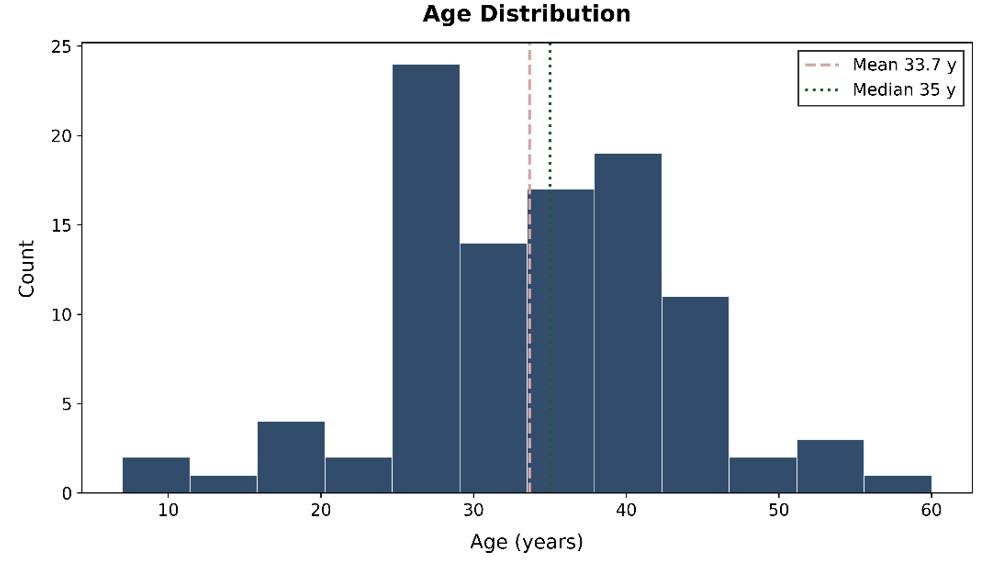
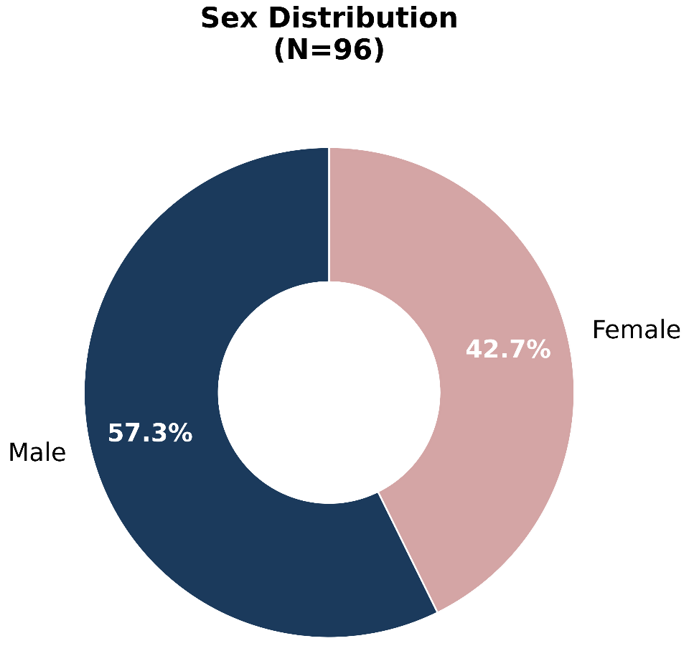
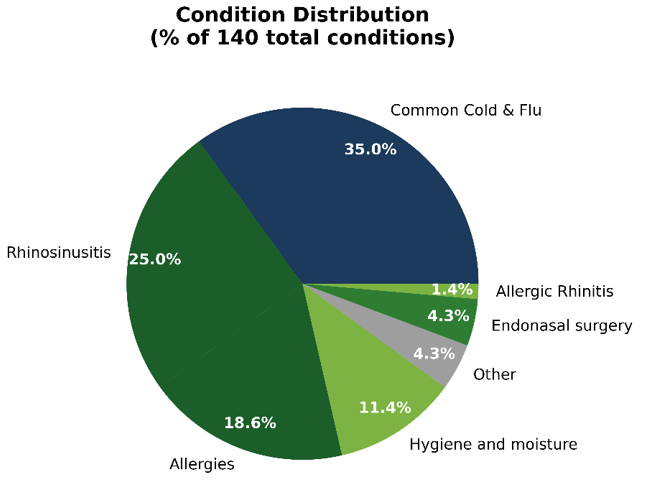
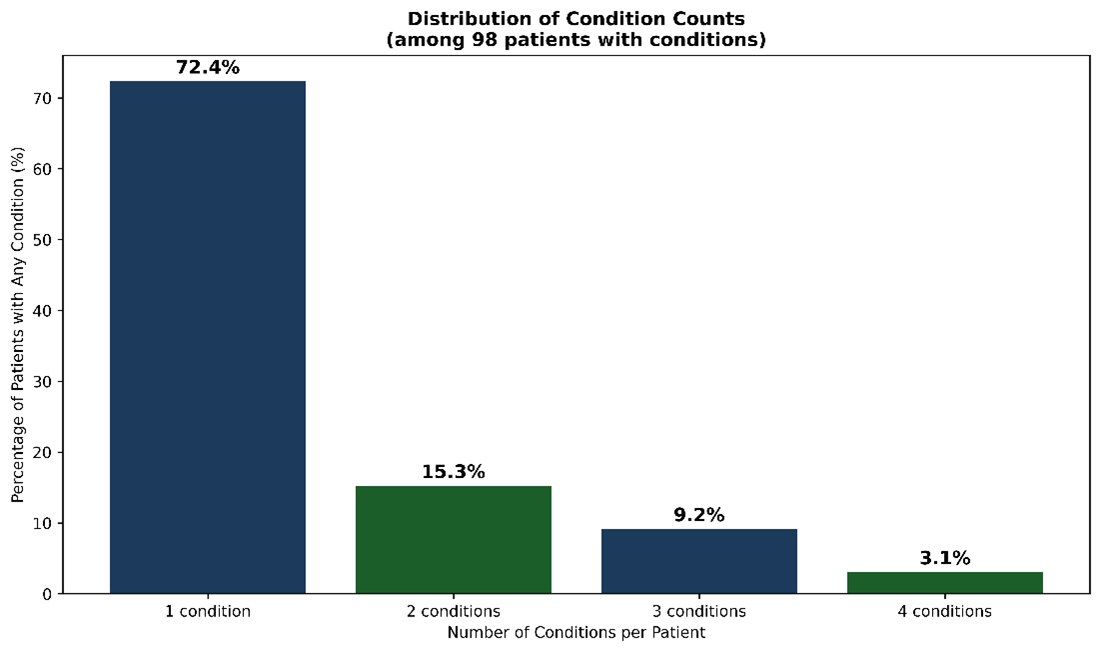
Figure 1. Distribution of ENT conditions among study participants. (A) Age distribution of the study population. (B) Sex distribution of the study population (n = 96). (C) Pie chart illustrating the percentage distribution of ENT conditions for which ISS was used (n = 98), expressed as a percentage of the total conditions (n = 140). (D) Bar chart showing the number of ENT-related conditions per patient (n = 98).
Table 1: Distribution of ENT conditions among survey participants. The table details the specific condition combinations reported by each patient with multiple diagnoses.
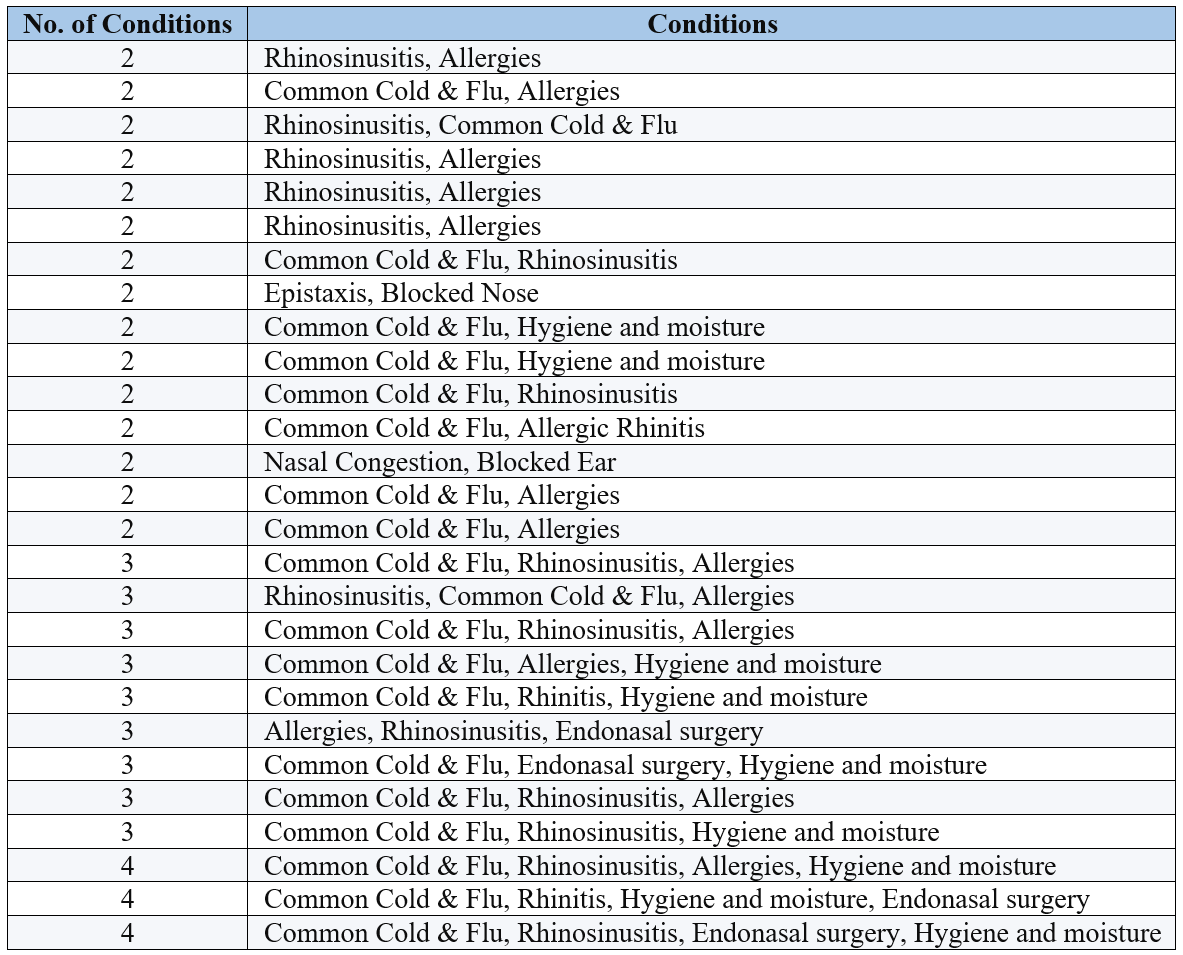
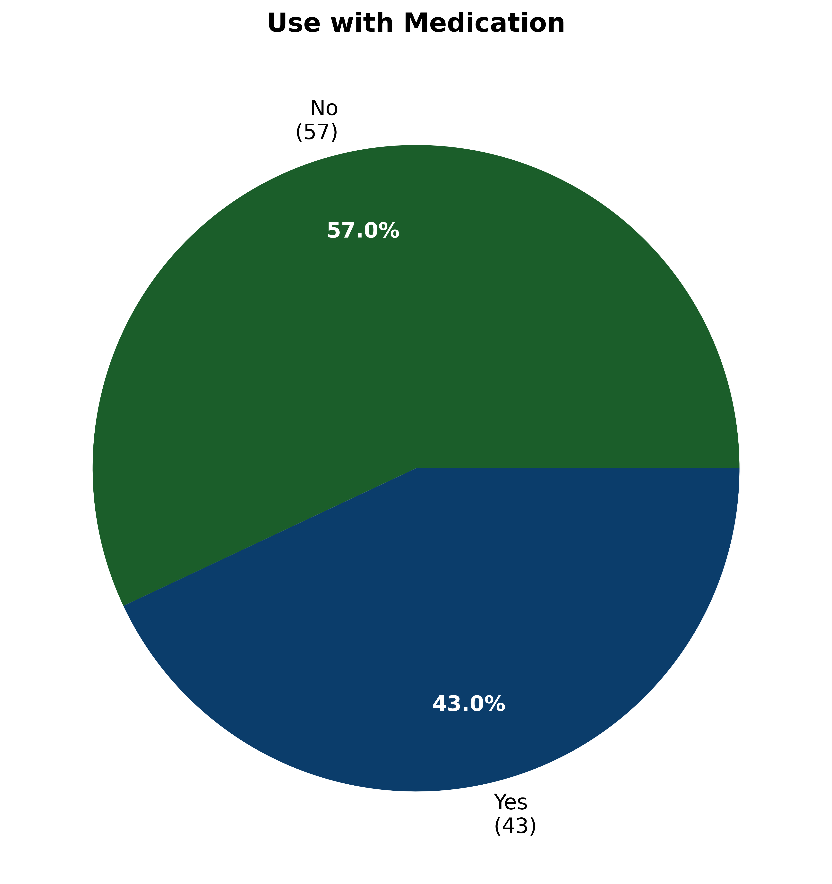
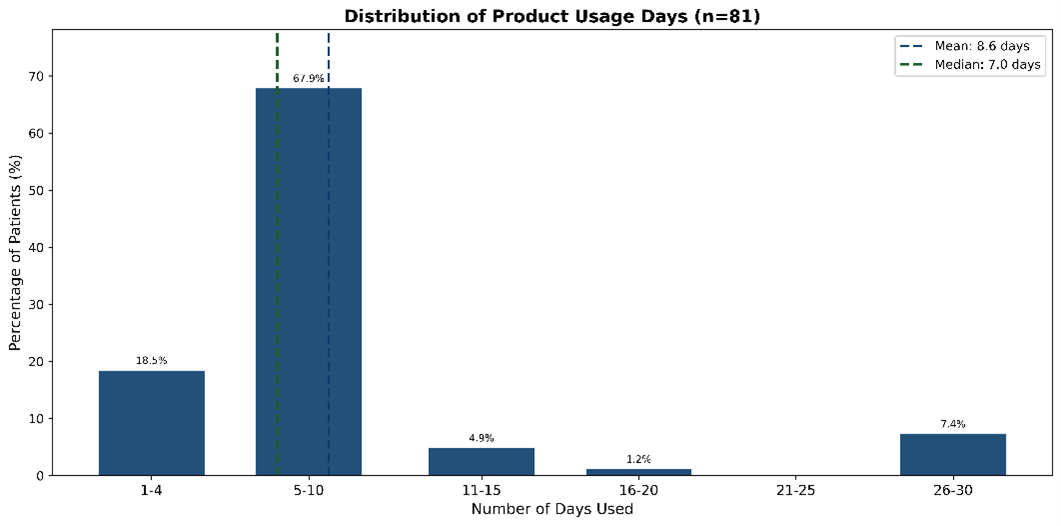
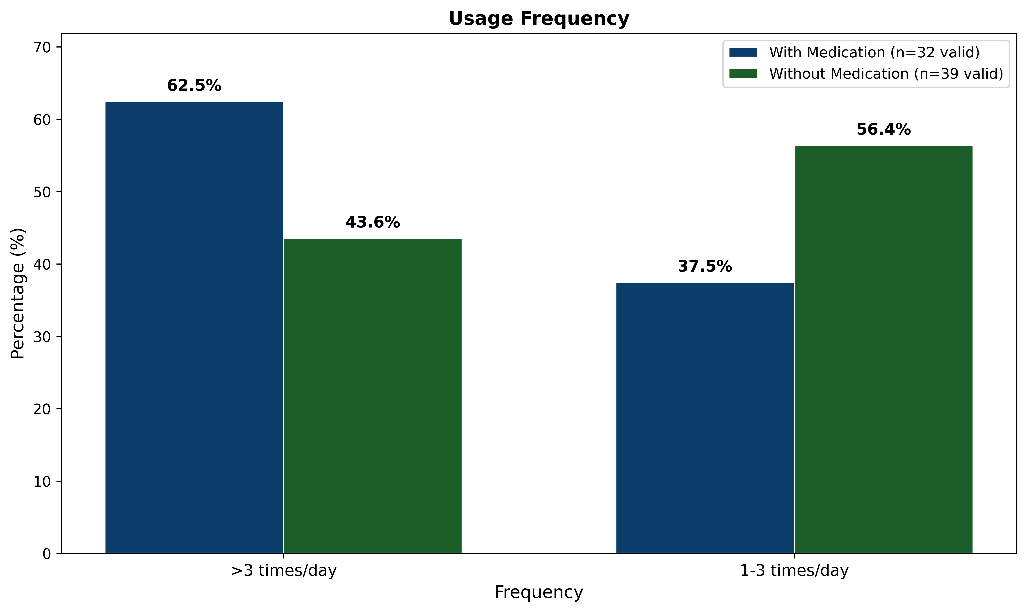
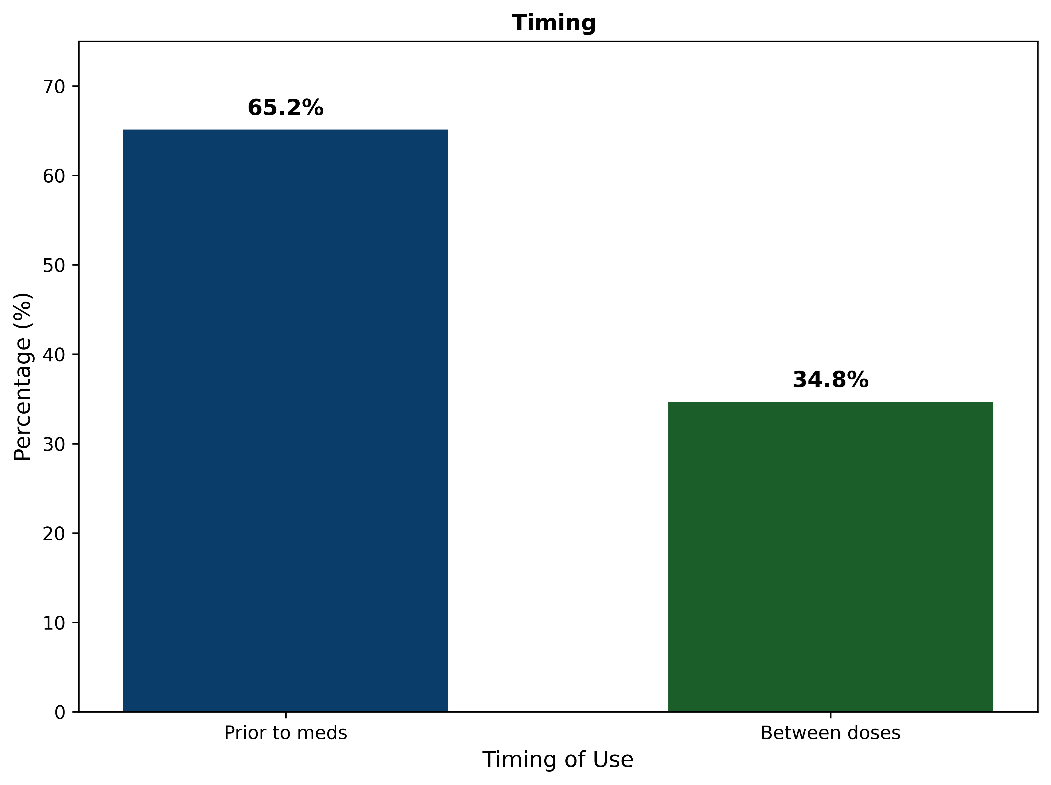
Figure 2: ISS use patterns and treatment characteristics among patients. (A) Proportion of patients using ISS in combination with medication (n = 43) versus ISS alone (n = 57). (B) Distribution of treatment duration, expressed as the percentage of patients reporting ISS use within each duration range (n = 81). (C) Frequency of ISS administration (with and without medication), categorized as >3 times/day and 1–3 times/day; data are presented as percentages of valid responses (n = 32 with medication; n = 39 without medication). (D) Timing of ISS administration in relation to concomitant medication use, presented as the percentage of patients according to reported timing categories (n = 23). Differences in total number of responses (n) reflect inclusion of valid responses only.
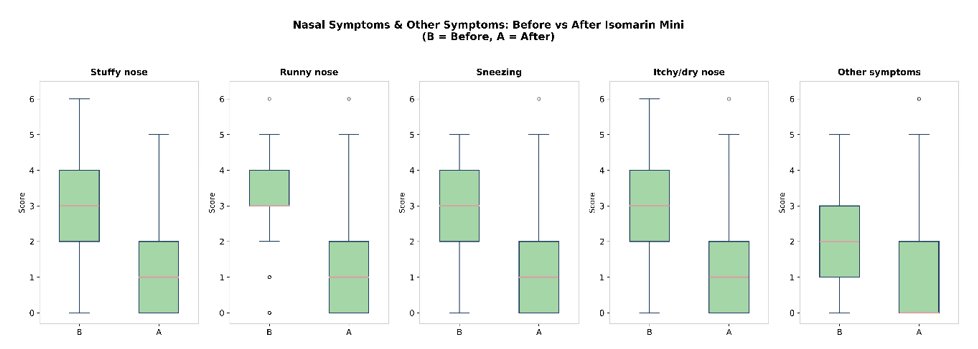
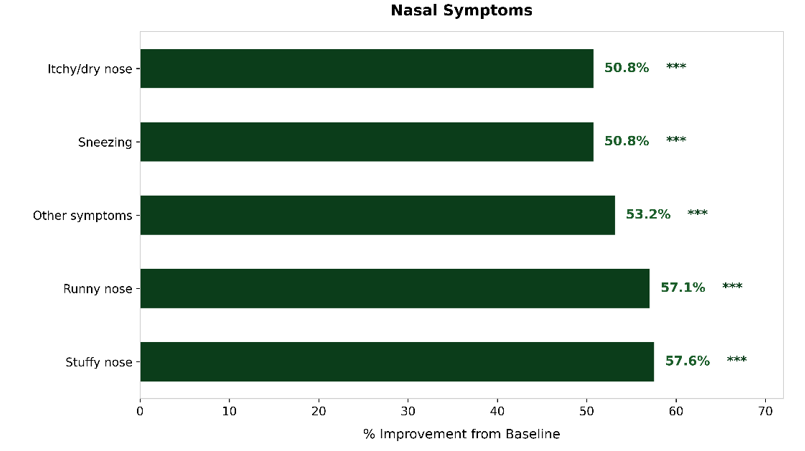
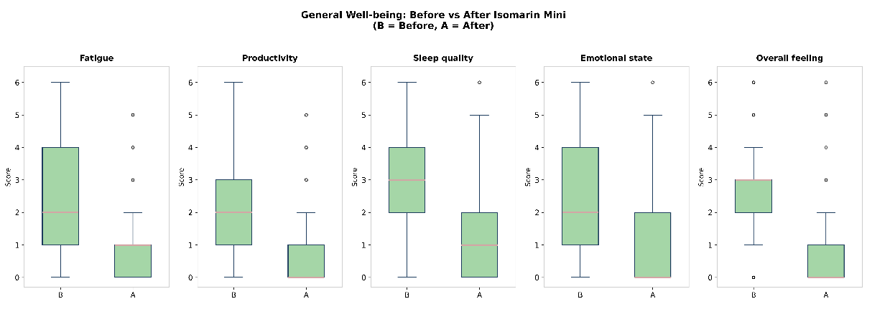
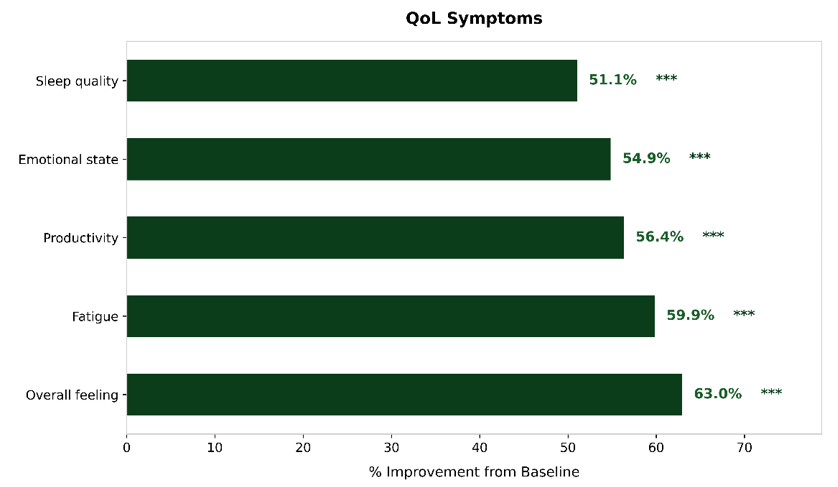
Figure 3: Sinonasal and quality-of-life symptom improvement after ISS use. (A) Boxplots showing average scores before (B) and after (A) ISS administration for sinonasal symptoms: stuffy nose, runny nose, sneezing, itchy/dry nose, and other symptoms. The red line indicates the median. (B) Bar chart showing the percentage of improvement (%) for each sinonasal symptom following ISS use. (C) Boxplots showing average scores before (B) and after (A) ISS administration for quality-of-life parameters: fatigue, productivity, sleep quality, emotional state, and overall feeling. The red line indicates the median. (D) Bar chart showing the percentage of improvement (%) for each quality-of-life parameter following ISS use. ***p < 0.0001.
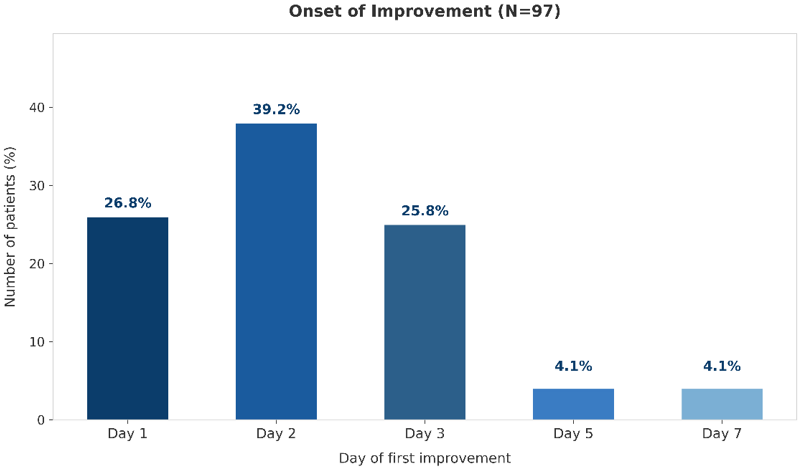
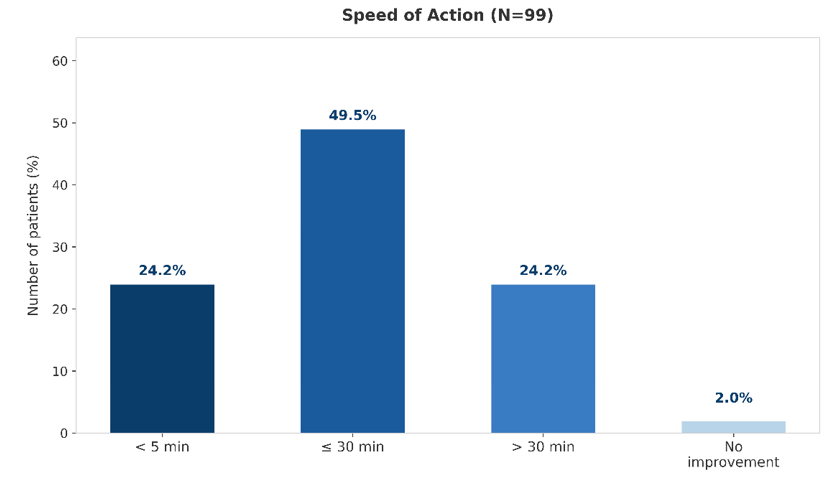
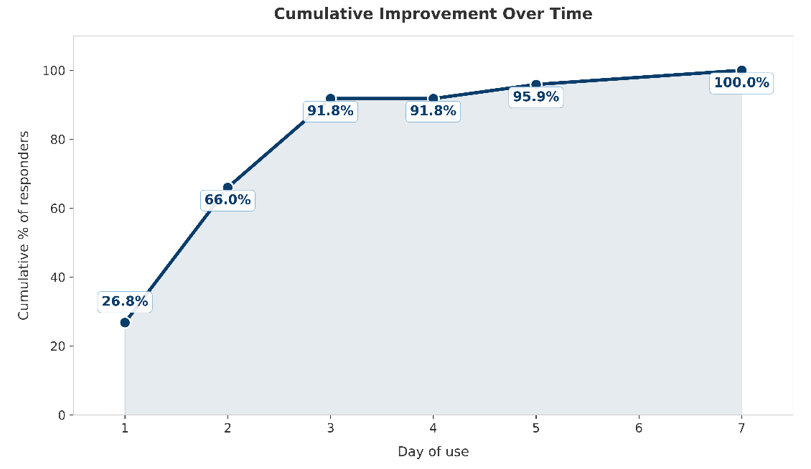
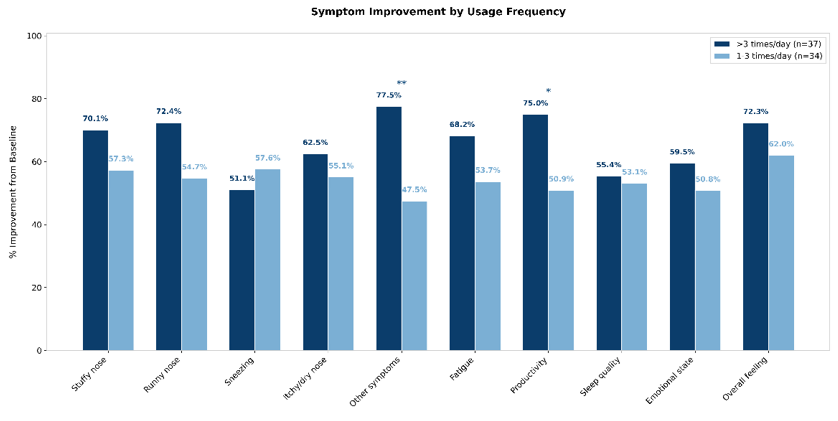
Figure 4: Patient-reported outcomes following ISS use. (A) Percentage (%) of patients reporting symptom improvement by day of ISS use (n = 97). (B) Percentage (%) of patients reporting time to onset of symptom relief after ISS application (n = 99). (C) Cumulative percentage (%) of patients who reported improvement over days of ISS use (n = 97). (D) Percentage (%) of symptom improvement from baseline for each sinonasal and quality-of-life parameter, based on the frequency of ISS use (>3 times/day, n = 37; 1–3 times/day, n = 34). Statistically significant between-group differences are indicated (*p < 0.05; **p < 0.01; ***p < 0.001).
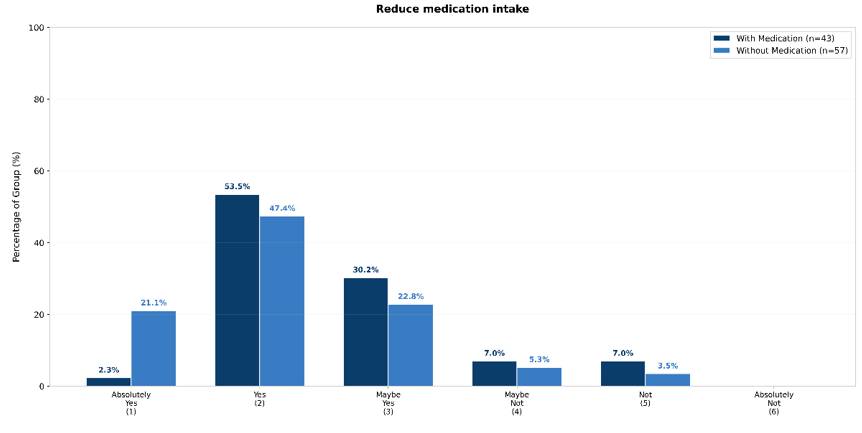
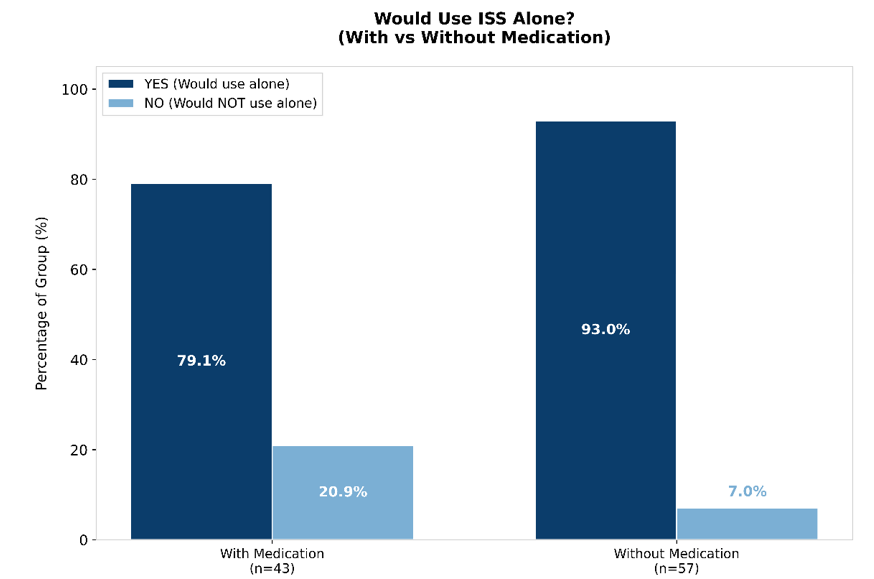
Figure 5: Patient-reported reduction in medication and willingness to use ISS as standalone therapy. (A) Percentage (%) distribution of responses regarding reduction in medication use following ISS treatment among patients who used ISS without concomitant medication (n = 57) and patients who used ISS in combination with medication (n = 43). (B) Percentage (%) distribution of responses regarding willingness to consider ISS as a standalone therapy among patients who used ISS without concomitant medication (n = 57) and patients who used ISS in combination with medication (n = 43). Responses were grouped as Yes (Absolutely Yes, Yes, Maybe Yes) and No (Absolutely Not, Not, Maybe Not), based on a six-point scale ranging from Absolutely Yes (1) to Absolutely Not (6).
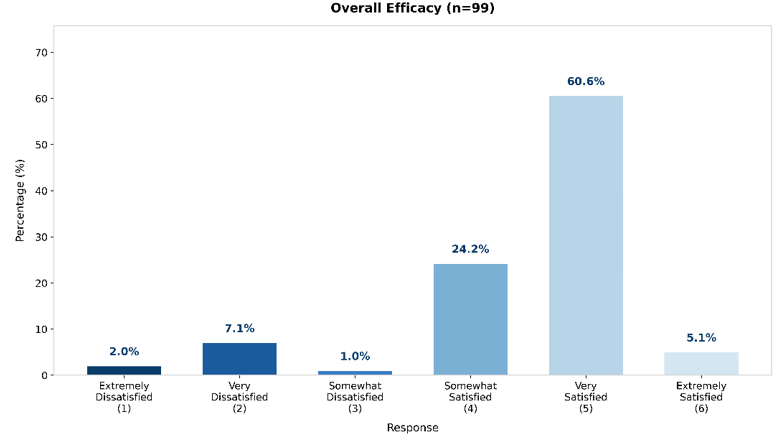
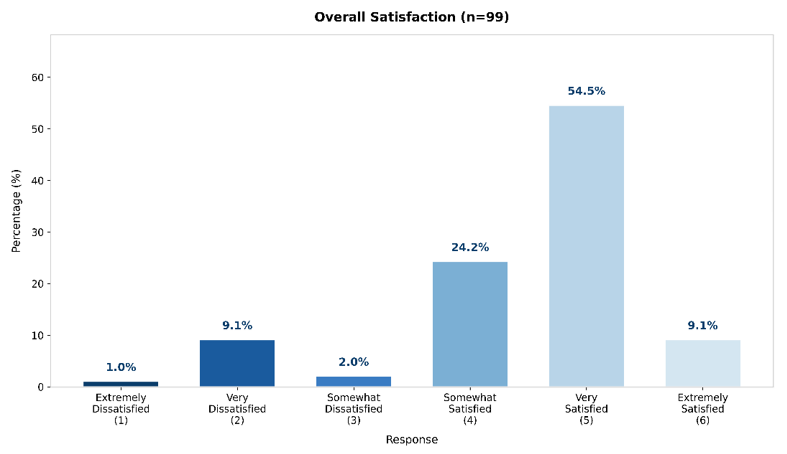
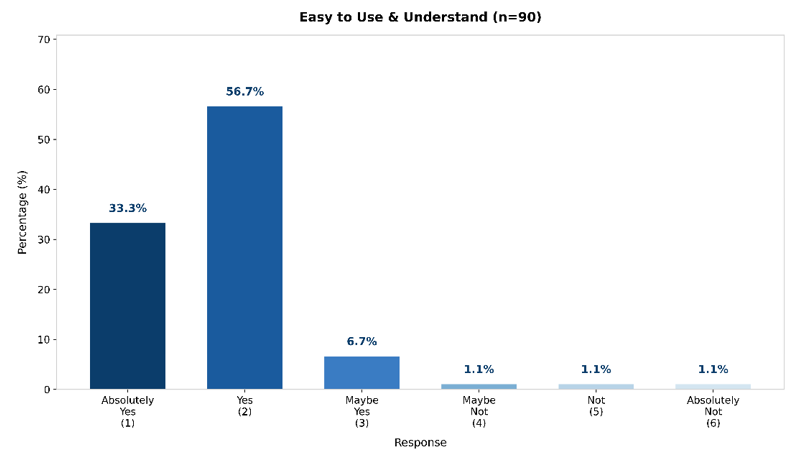
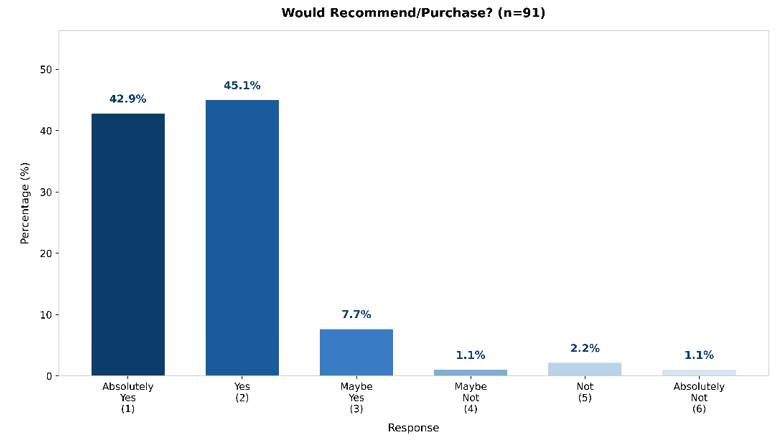
Figure 6: User satisfaction and efficacy ratings following ISS use. (A) Percentage (%) distribution of patient responses regarding overall efficacy (n = 99) and overall satisfaction (n = 99) with ISS. (B) Percentage (%) distribution of patient responses regarding ease of use and understanding (n = 90) and willingness to recommend or repurchase ISS (n = 91). Responses are presented on a six-point Likert scale from Extremely Dissatisfied (1) to Extremely Satisfied (6) and Absolutely Yes (1) to Absolutely Not (6).
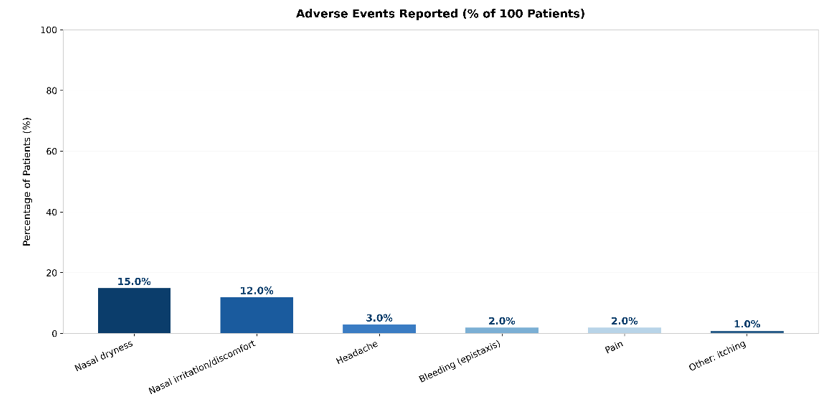
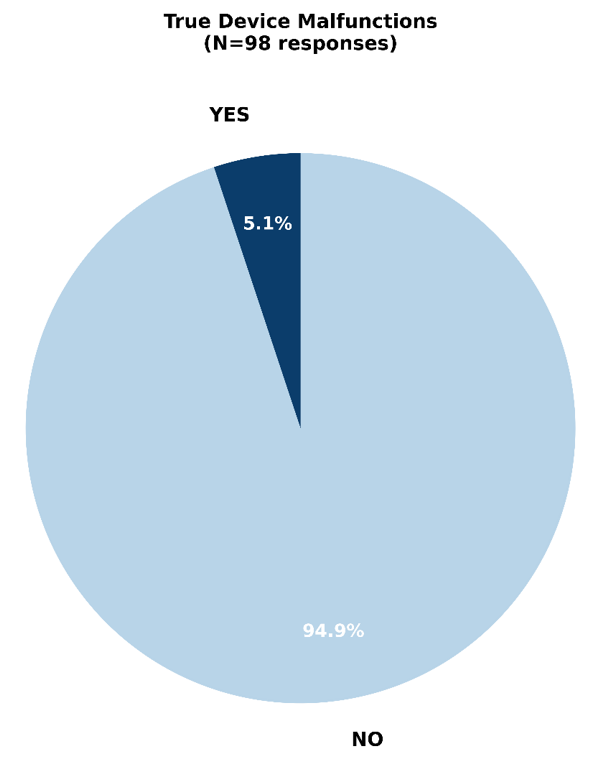
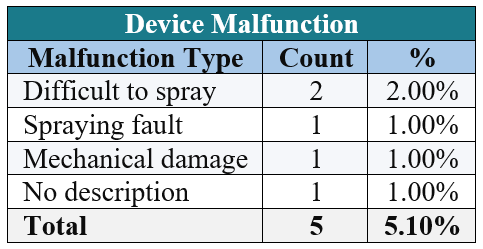
Figure 7: Safety and device performance following ISS use. (A) Adverse events reported as a percentage of total patients (n = 100). (B) Rate of device malfunctions (%) reported among patients (n = 98); one additional event was recorded but classified as an adverse event and is reported separately. (C) Types of device malfunctions reported, expressed as a percentage of total responses (n = 98).
Discussion
This prospective user survey evaluated the real-world efficacy, safety, and consumer satisfaction of ISS in patients with a range of ENT disorders. The study enrolled 100 patients. Statistically significant improvements were observed across all sinonasal and QoL symptoms following ISS use, with reductions ranging from 50.8% to 63.0% (p < 0.0001 for all). These findings are in line with the established evidence for isotonic saline nasal irrigation and further support the use of ISS in a real-world context [1,4–6,10,11].
Nasal irrigation with ISS mechanically removes allergens, pathogens, and inflammatory mediators, hydrates the nasal mucosa and improves mucociliary clearance [2,3,9].
Herein, we show that 27.0% of enrolled patients presented with two or more concurrent ENT conditions, with three patients reporting up to four simultaneous conditions. This reflects the heterogeneity commonly observed in real-world clinical practice, where ENT conditions frequently coexist. In this study, the sinonasal symptoms with the highest burden at baseline were rhinorrhea and nasal congestion, both of which exceeded 55.0% improvement following ISS use. These results are comparable to previously published real-world data obtained with isotonic seawater products in ENT patients [11]. Therefore, our data further support the use of ISS in ENT conditions, including patients with multiple coexisting disorders.
Improvements were also observed across all five Quality of Life (QoL) parameters assessed. The most pronounced benefit was reported for overall feeling (63.0%), followed by fatigue (59.9%) and productivity (56.4%). Considering that ENT symptoms can impair daily functioning, disrupt sleep, and affect emotional wellbeing, our findings provide direct clinical relevance. The inclusion of QoL endpoints alongside sinonasal outcomes provides additional insight into the impact of symptoms on patients’ daily life.
Consumer satisfaction was notably high, with 63.6% of respondents reporting being extremely or very satisfied and 90.0% rating the product as easy to use. These results are consistent with published real-world evidence on isotonic and hypertonic seawater nasal products [11,12], and support the practical suitability of ISS for routine daily use. The ease of use of nasal irrigation devices is an important factor since it may influence patient adherence, particularly in outpatient and self-care settings.
Regarding ISS safety, the observed adverse event profile was consistent with that previously reported for isotonic saline products [10]. Adverse events predominantly consisted of nasal dryness and nasal irritation/discomfort. One case of nasal irritation was reported in a pediatric patient (n = 6 total pediatric patients), which is consistent with the established safety profile of isotonic saline solutions in children [13,14]. Of note, all adverse events were mild and self-limiting. No serious adverse events were recorded throughout the observation period. Furthermore, the device malfunction rate reported was also low.
Taken together, these findings provide additional real-world evidence supporting the use of isotonic seawater nasal sprays in the management of common ENT conditions
Study limitations
This study has limitations inherent to its observational survey design and the absence of a control group limits causal inference. In addition, all outcome measures relied on patient self-reporting, and symptom severity scores reflect subjective perception rather than objective clinical assessment. Missing data were observed across symptom score fields, with paired sample sizes ranging from 82 to 93 per symptom item due to incomplete pre- or post-use responses; all available paired observations were included in the respective analyses. Furthermore, a minority of patients displayed apparent worsening in one or more symptom items following ISS use; these patients were retained in the main analysis, consistent with the intention to reflect the full range of real-world responses.
Despite these limitations, the consistency of symptoms improvement across multiple parameters, and the low rate of adverse events, supports the favorable real-world performance of ISS in this population.
Conclusion
This prospective real-world survey indicates that ISS is associated with statistically and clinically significant improvements in sinonasal symptoms and patient-reported quality of life among individuals with ENT disorders. The findings also suggest high levels of user satisfaction, good tolerability, and ease of use, supporting its integration into routine management of sinonasal conditions. In addition, the safety profile of ISS use was favorable, with only a low rate of minor adverse events reported.
Overall, these results are consistent with existing evidence supporting isotonic seawater irrigation as a safe and well-accepted approach in the management of sinonasal symptoms.
Conflicts of Interest: SG and KA are employees of Gerolymatos-International.
Funding: Not applicable.
References
- Fokkens WJ, Lund VJ, Hopkins C, et al. European Position Paper on Rhinosinusitis and Nasal Polyps 2020. Rhinology, 2020; 58(Suppl S29): 1–464.
- Seidman MD, Gurgel RK, Lin SY, et al. Clinical practice guideline: Allergic rhinitis. Otolaryngol Head Neck Surg, 2015; 152(1 Suppl): S1–43.
- Head K, Snidvongs K, Glew S, et al. Saline irrigation for allergic rhinitis. Cochrane Database Syst Rev, 2018; 6(6): CD012597.
- Principi N, Esposito S. Nasal Irrigation: An Imprecisely Defined Medical Procedure. Int J Environ Res Public Health, 2017; 14(5): 516.
- King D. What role for saline nasal irrigation? Drug Ther Bull, 2019; 57(4): 56–59.
- Ural A, Oktemer TK, Kizil Y, et al. Impact of isotonic and hypertonic saline solutions on mucociliary activity in various nasal pathologies. J Laryngol Otol, 2009; 123(5): 517–521.
- Harvey R, Hannan SA, Badia L, Scadding G. Nasal saline irrigations for the symptoms of chronic rhinosinusitis. Cochrane Database Syst Rev, 2007; (3): CD006394.
- Chong LY, Head K, Hopkins C, et al. Saline irrigation for chronic rhinosinusitis. Cochrane Database Syst Rev, 2016; 4(4): CD011995.
- King D, Mitchell B, Williams CP, Spurling GK. Saline nasal irrigation for acute upper respiratory tract infections. Cochrane Database Syst Rev, 2015; 2015(4): CD006821.
- Pecoraro L, Di Muri E, Lezzi G, Picciolo S, De Musso M, Piazza M, et al. Nasal Irrigations: A 360-Degree View in Clinical Practice. Medicina, 2025; 61(8): 1402.
- Park DY, Choi JH, Kim DK, et al. Clinical Practice Guideline: Nasal Irrigation for Chronic Rhinosinusitis in Adults. Clin Exp Otorhinolaryngol, 2022; 15(1): 5–23.
- Pynnonen MA, Mukerji SS, Kim HM, Adams ME, Terrell JE. Nasal saline for chronic sinonasal symptoms: a randomized controlled trial. Arch Otolaryngol Head Neck Surg, 2007; 133(11): 1115–1120.
- Kanjanawasee D, Seresirikachorn K, Chitsuthipakorn W, Snidvongs K. Hypertonic Saline Versus Isotonic Saline Nasal Irrigation: Systematic Review and Meta-analysis. Am J Rhinol Allergy, 2018; 32(4): 269–279.
- Bastier PL, Lechot A, Bordenave L, Durand M, de Gabory L. Nasal irrigation: From empiricism to evidence-based medicine. A review. Eur Ann Otorhinolaryngol Head Neck Dis, 2015; 132(5): 281-285.
- Štanfel D, Kalogjera L, Ryazantsev SV, et al. The Role of Seawater and Saline Solutions in Treatment of Upper Respiratory Conditions. Mar Drugs, 2022; 20(5): 330.
- Georgiou S, Protopapadakis E, Alevizopoulos K. Use of isotonic seawater solutions in patients with ENT symptoms: Real world efficacy, safety and performance evaluation. J Clin Images Med Case Rep, 2024; 5(5): 3043.
- Gumeni S, Jovanovska A, Micevska V, Gruevska O, Alevizopoulos K. Use of hypertonic seawater nasal drops in infants with ENT symptoms: Real-world efficacy, safety and performance evaluation. J Clin Images Med Case Rep, 2026; 7(4): 4033.
- Georgiou S, Alevizopoulos K. A Real-World User Survey on the Effectiveness of a Hypertonic Seawater Nasal Spray as an Add-On to Pharmacological Treatment in Patients with ENT Diseases. Int J Clin Stud Med Case Rep, 2023; 10(2).
- Georgiou S, Alevizopoulos K. A Real-World User Survey Study Conducted with a Hypertonic Seawater Nasal Irrigation Solution Comprising Algal and Herbal Ingredients in Patients with Ent Disorders. J Clin Images Med Case Rep, 2022; 17(4): 002.
- Hermelingmeier KE, Weber RK, Hellmich M, Heubach CP, Mösges R. Nasal irrigation as an adjunctive treatment in allergic rhinitis: a systematic review and meta-analysis. Am J Rhinol Allergy, 2012; 26(5): e119–125.