
Email id: info@ijclinmedcasereports.com
Severe Periodontitis as an Early Oral Manifestation of Pediatric Severe Congenital Neutropenia: A Ten-Year Follow-up Case Report
Yu-Chen Cheng1 and Jung-Wei Chen2,*
1Assistant professor of the Advanced Education Program in Pediatric Dentistry at Loma Linda University, Loma Linda, California, USA
2Chair and Program Director of the Advanced Education Program in Pediatric Dentistry, and professor in the Department of Pediatric Dentistry at Loma Linda University, Loma Linda, California, USA
Received Date: 20/04/2026; Published Date: 13/07/2026
*Corresponding author: Dr. Jung-Wei Chen, DDS, MS, MS, PhD. Chair and Program Director of the Advanced Education Program in Pediatric Dentistry, and professor in the Department of Pediatric Dentistry at Loma Linda University, Loma Linda, California, USA
Abstract
Severe Congenital Neutropenia (SCN) is a rare genetic disorder of granulopoiesis characterized by a persistently low Absolute Neutrophil Count (ANC), typically below 500 cells/μL. Common oral manifestations include gingival inflammation, ulceration, and periodontitis. This case report presents a 13-year-old female with SCN who was followed from age 3 to 13. At age three, she presented to the pediatric dental clinic with gingival bleeding, alveolar bone loss, and tooth mobility. During the clinical examination, a soft spot on the posterior scalp was noted, prompting referral to the emergency department for systemic evaluation. Subsequent assessments and laboratory work confirmed a diagnosis of SCN. Management included granulocyte colony-stimulating factor (Zarxio), extractions, periodontal therapy, and systemic antibiotics before and after dental procedures. Prompt recognition of SCN's oral manifestations and integrated medical-dental care are essential for managing the condition and mitigating severe periodontal destruction in affected patients.
Keywords: Pediatric; Congenital neutropenia; Absolute neutrophil count; Periodontitis
Introduction
Severe Congenital Neutropenia (SCN), also known as Kostmann syndrome, is a rare inborn disorder of granulopoiesis characterized by a persistently low Absolute Neutrophil Count (ANC), typically below 500 cells/μL and often less than 200 cells/μL, present from birth [1,3]. Neutropenia is defined as an ANC <1,500 cells/μL and classified as mild (1,000–1,500 cells/μL), moderate (500–1,000 cells/μL), or severe (<500 cells/μL) [2]. The prevalence of SCN is estimated at 3–8.5 cases per million individuals. Mutations in more than 24 genes have been associated with congenital neutropenia, with ELA2 (ELANE) mutations accounting for approximately 50–60% of SCN cases.
The absence of functional neutrophils markedly increases susceptibility to infection, and affected patients often present with recurrent fevers, skin infections, and deep tissue abscesses. More than 90% of patients respond to recombinant human granulocyte colony‑stimulating factor (G‑CSF), which increases circulating neutrophil counts [3,4]. Hematopoietic stem cell transplantation (HSCT) remains a treatment option for patients refractory to G‑CSF [1].
Oral manifestations of SCN include recurrent oral ulcerations, severe gingival inflammation, generalized periodontal destruction, tooth mobility, and premature tooth loss in both primary and permanent dentitions [1,3]. Lifelong antimicrobial and antifungal prophylaxis is common in severe neutropenia. According to the American Academy of Pediatric Dentistry (AAPD), the need for antibiotic prophylaxis before dental treatment is guided by the ANC. Prophylaxis is generally not required when ANC >2,000 cells/μL, may be considered when ANC is 1,000–2,000 cells/μL, and elective dental treatment should be deferred when ANC <1,000 cells/μL, with medical consultation recommended for urgent care [5].
Dental management for neutropenic patients typically includes scaling and root planing (SRP) and extractions performed with antibiotic coverage [3]. However, treatment options for patients with SCN remain limited due to persistently low ANC levels. This case report describes the long‑term dental management and follow‑up of a pediatric patient with periodontitis as an oral manifestation of severe congenital neutropenia (ICD‑10: D70.0).
Case Report
Clinical History
A 13‑year‑old female first presented to the Loma Linda University Pediatric Dentistry Clinic at 3 years of age for an emergency dental visit. Her parents reported severe toothache, oral malodor, and inability to eat due to oral pain. At the time, no significant medical history was reported. The family had recently immigrated to the United States and required language interpretation.
The patient appeared pale and acutely ill, with fever, malaise, fatigue, and dehydration. Extraoral examination revealed pale, diaphoretic skin and a soft area on the posterior scalp. Intraoral findings included severe oral malodor, ulcerative gingivitis, generalized posterior tooth mobility, and extensive alveolar bone loss (Figure 1). Differential diagnoses included Langerhans cell histiocytosis, leukemia, and neutropenia. Due to concern for systemic instability, the patient was referred to the children’s hospital emergency department.
Laboratory evaluation revealed an ANC of 100 cells/μL. Following further medical and genetic evaluation, the patient was diagnosed with SCN due to an ELA2 mutation and initiated on G‑CSF (Zarxio). She was followed by Hematology/Oncology, and HSCT was recommended but not immediately pursued.
The patient did not return for dental care for approximately two years. At 5 years of age, she underwent full‑mouth dental rehabilitation under general anesthesia with intravenous ampicillin (380 mg). Multiple primary teeth (#A, B, D, E, F, G, I, L, N, Q, and S) were extracted due to severe periodontal bone loss (Figures 2 and 3).
Following rehabilitation, the patient was seen at 3‑ to 6‑month intervals until age 8. She returned at age 10 after a 16‑month lapse in care, at which time gingival inflammation and recession in the mandibular anterior region were noted (Figure 4). Although referred to the periodontics department, she did not attend the appointment and was lost to follow‑up for an additional two years.
Periodontal Evaluation and Treatment
At 12 years of age, she returned after no dental visits since 2022. Examination revealed generalized gingival inflammation with heavy plaque and calculus accumulation (Figure 5). Periodontal evaluation (Figures 6 and 7) demonstrated poor oral hygiene (plaque index 78%), pathologic tooth migration involving tooth #8 and the mandibular anterior teeth, gingival recession in the anterior regions and on the buccal surface of tooth #19, probing depths ≥5 mm in the anterior teeth and molars, Class I–II mobility of multiple teeth, and horizontal and angular bone loss of teeth #8 and #19 with furcation involvement. A periodontal abscess at tooth #8 tested vital on electric pulp testing and showed no apical radiolucency. The diagnosis of periodontitis as a manifestation of systemic disease—congenital neutropenia (D70.0) was established.
Antibiotic prophylaxis with amoxicillin (50 mg/kg) was administered before each dental visit, and ANC levels (ranging from 200 to 5,000 cells/μL) were reviewed prior to treatment. Non‑surgical periodontal therapy included oral hygiene instruction, SRP performed over two visits with pre‑ and postoperative antibiotic coverage (amoxicillin and metronidazole), and a 2‑week course of chlorhexidine gluconate mouthwash. A 3‑month follow‑up was scheduled, with orthodontic and prosthodontic treatment deferred until periodontal stabilization.
Follow‑Up
The patient continues to receive medical follow‑up for SCN with ongoing G‑CSF therapy. Although HSCT was initially planned, it was postponed during the COVID‑19 pandemic and later declined by the parents. ANC levels fluctuated throughout 2015–2026 (Figure 8).
At the 3‑month dental follow‑up, the patient reported reduced gingival swelling and bleeding. Clinical examination revealed decreased probing depths, reduced bleeding on probing (75% to 36%), and improved tooth stability (Figures 9 and 10). Tooth #8 remained with a probing depth ≥5 mm and a persistent periodontal abscess, resulting in a questionable prognosis. Repeat SRP was performed with antibiotic coverage pre- and post-operatively. Continued periodontal maintenance and oral hygiene reinforcement were recommended, with extraction or open flap debridement of tooth #8 remaining a possible future treatment option.
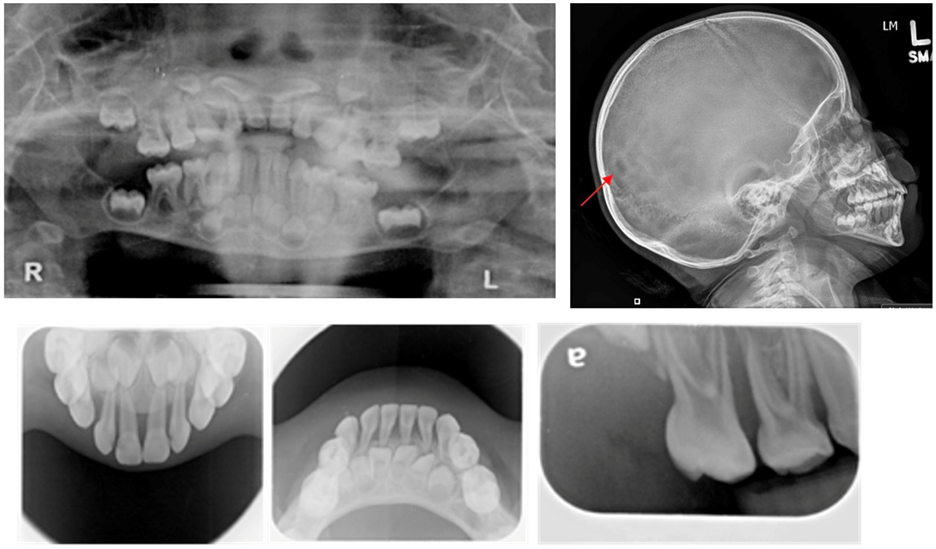
Figure 1: Dental, lateral cephalometric and skull radiographs were taken when patient was 3 years old (1/30/2015).
(i) Horizontal and angular bone loss on primary teeth. (ii) Arrow indicates an osteolytic lesion of the skull.
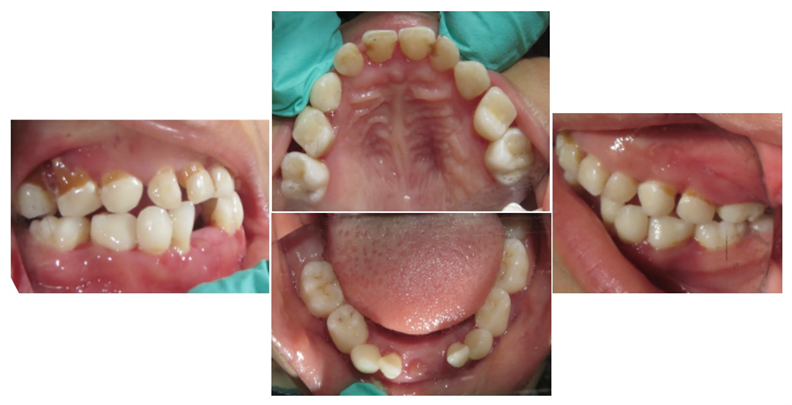
Fingure 2: Clinical photos were taken when patient was 5 years old (9/6/2017).
Clinical findings; generalized gingival recession and severe gingival recession on #B buccal side. Horizontal bone loss, #O, P missing, #D,E,F,G caries was noted.
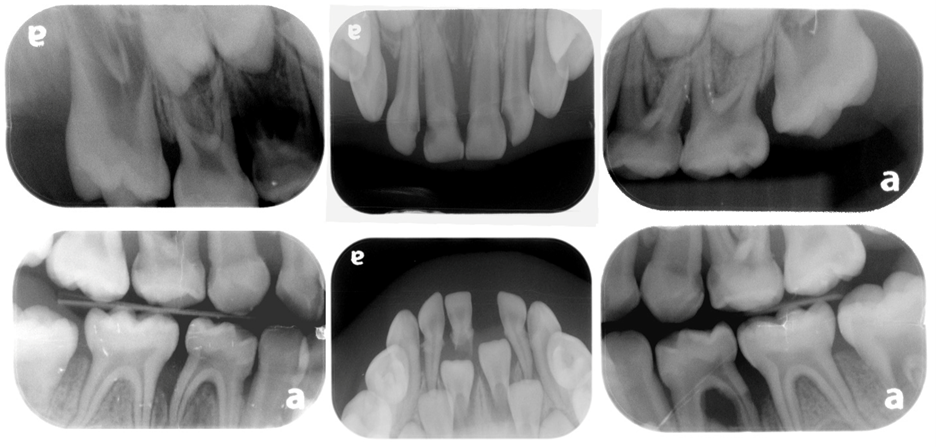
Figure 3: Radiographs were taken when patient was 5 years old (8/24/2017).
Radiographic findings: Calculus deposition on anterior teeth and molars region. Generalized alveolar bone destruction and angular bone defect of #A, I, L, S, #O missing, #D, E, F, G caries was noted.
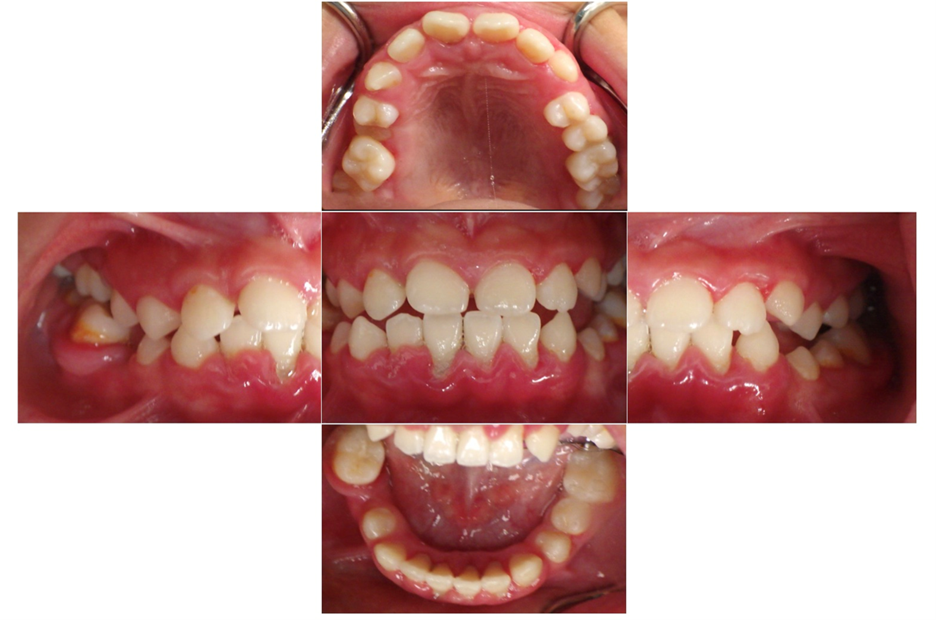
Figure 4: Clinical photos were taken when patient was 10 years old (10/3/2022).
Clinical findings: Gingival inflammation, swelling of lower anterior region, gingival recession of #23, 24, 25 and 26.
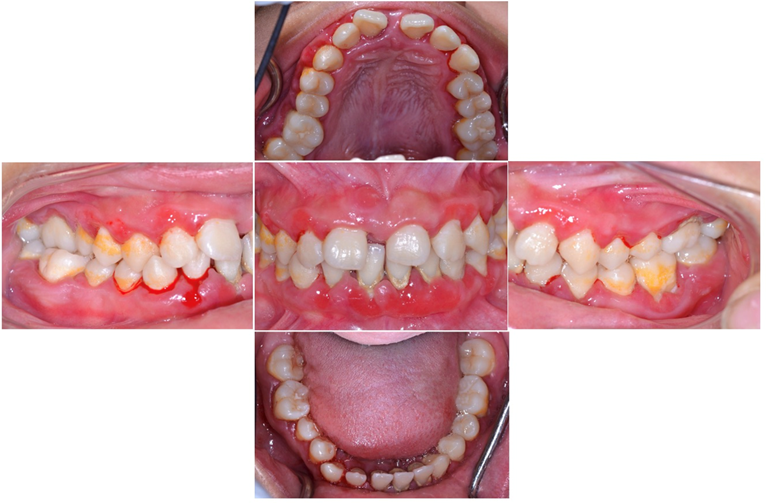
Figure 5: Clinical photos were taken when patient was 12 years old (10/7/2024) (before periodontal treatment).
Clinical findings: Generalized gingival inflammation and swelling was presented with plaque and calculus deposition. A periodontal abscess was noted in the #8 region, accompanied by pathological tooth migration involoving tooth #8 and the lower anterior teeth. Gingival recession was observed in the upper and lower anterior teeth as well as on the buccal aspect of tooth #19.
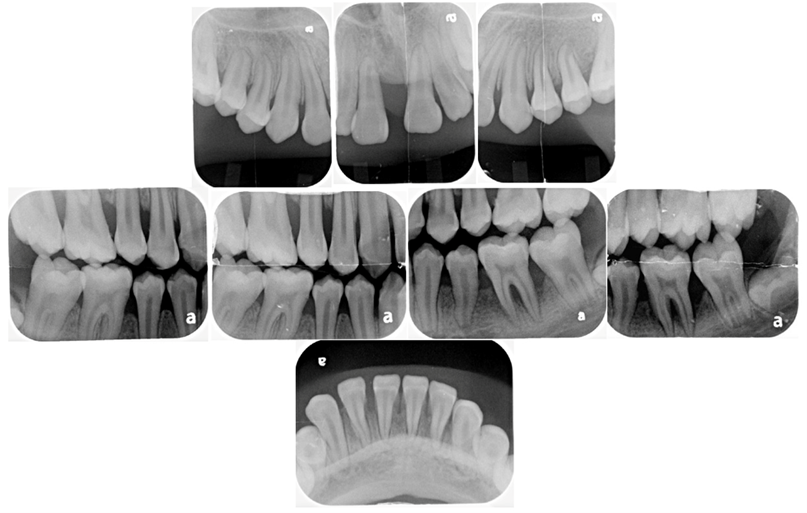
Figure 6: Radiographs were taken when patient was 12 years old (10/7/2024) (before periodontal treatment).
Radiographic findings: Horizontal and angular bone loss of #8 and #19 with furcation involvement. Spacing of upper and lower anterior teeth with pathological tooth migration of #8 and lower anterior teeth.
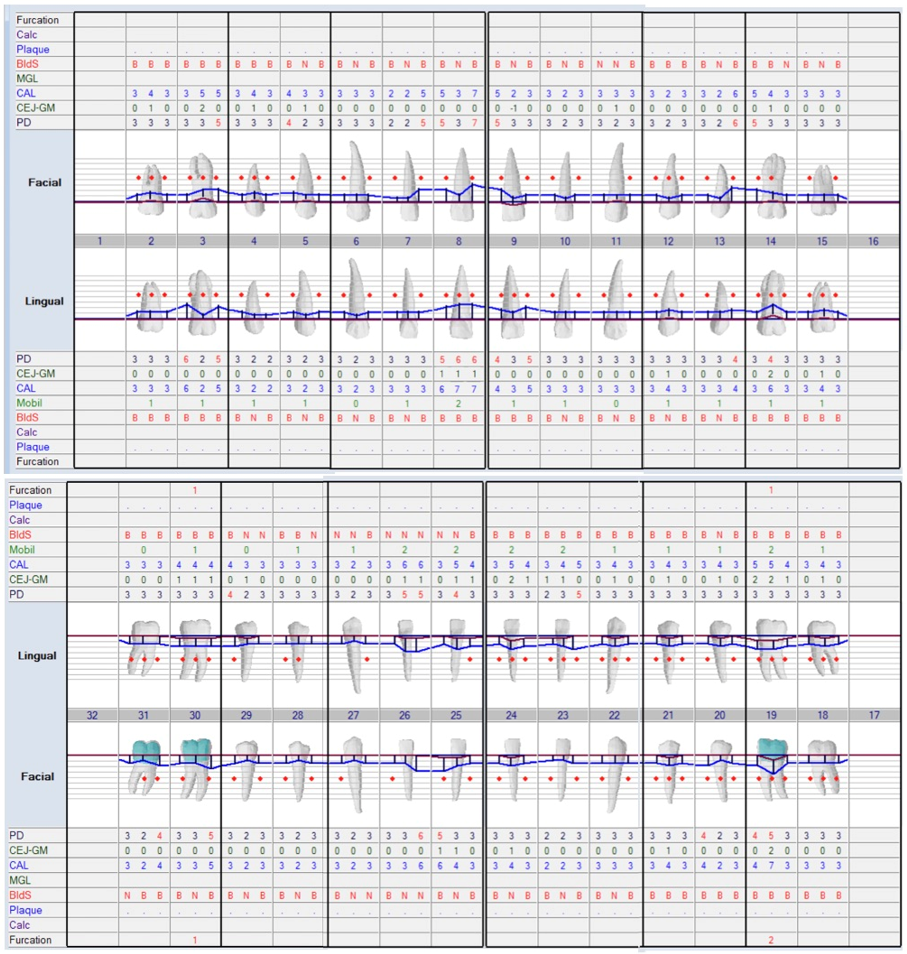
Figure 7: Periodontal charting record (before periodontal treatment).
Abbreviations used in this figure: Calc: Calculus. BldS: Bleeding on Probing. MGL: Mucogingival Line. Mobil: Mobility. CAL: Clinical attachment level. CEJ-GM: The distance from the cementoenamel junction to the gingival margin. PD: Probing depth.
Probing depth ≥5mm was noted on #3, 7,8, 9, 13, 14, 19, 23, 25, 26, 30. Furcation involvement was observed on #19 buccal (Class II), 19 lingual (Class I) and #30 buccal and lingual (Class I). Tooth mobility I of #2, 3, 4, 5, 7, 9, 10, 12, 13, 14, 15, 18, 20, 21, 22, 27, 28, 30. Tooth mobility II of #8, 19, 23, 24, 25, 26.
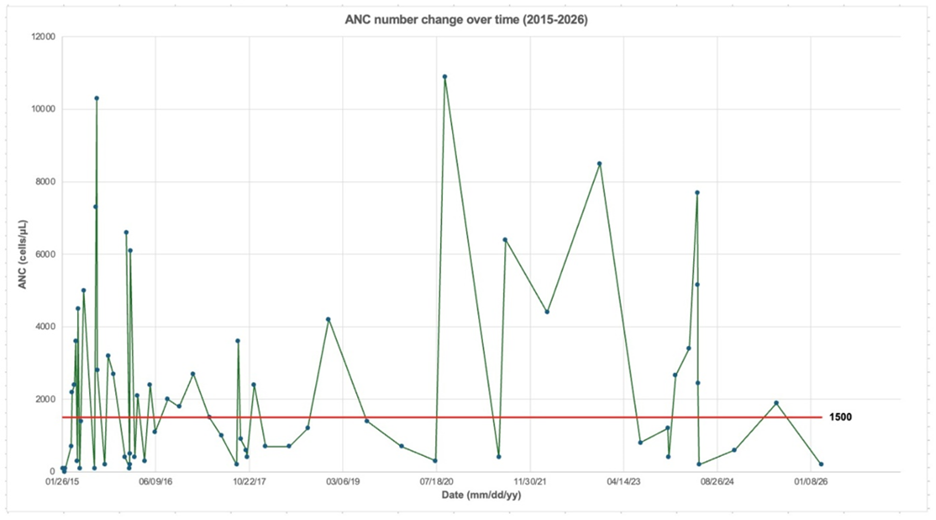
Figure 8: ANC number change over time (2015-2026).
Abbreviations used in this figure: ANC = absolute neutrophil count
Neutropenia is defined when ANC is less than 1500 µL [4]
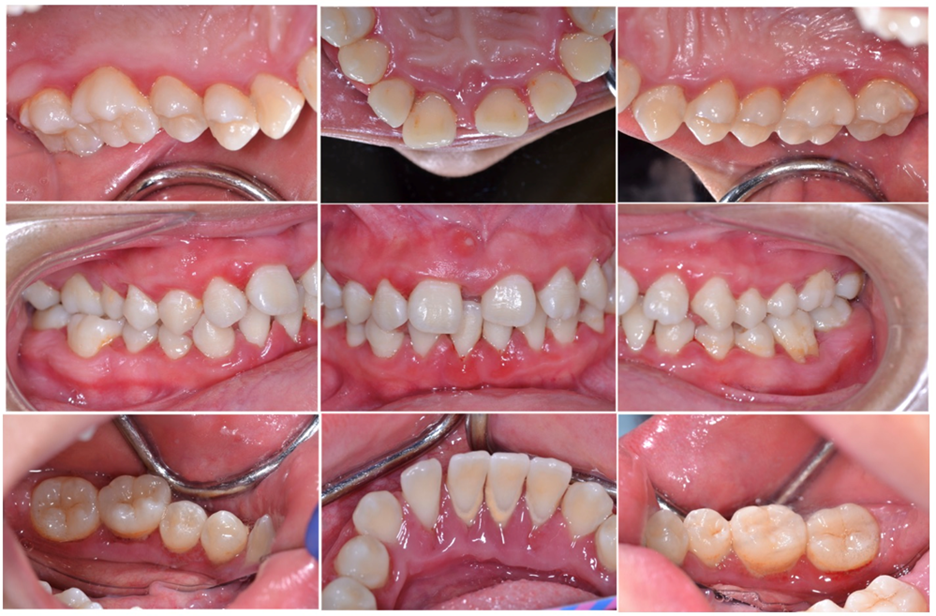
Figure 9: Clinical photos were taken when patient was 13 years old (6/18/2025) (after periodontal treatment).
Clinical findings: there was improvement in gingival inflammation and swelling; however, poor oral hygiene persisted, with noticeable plaque and calculus deposits.
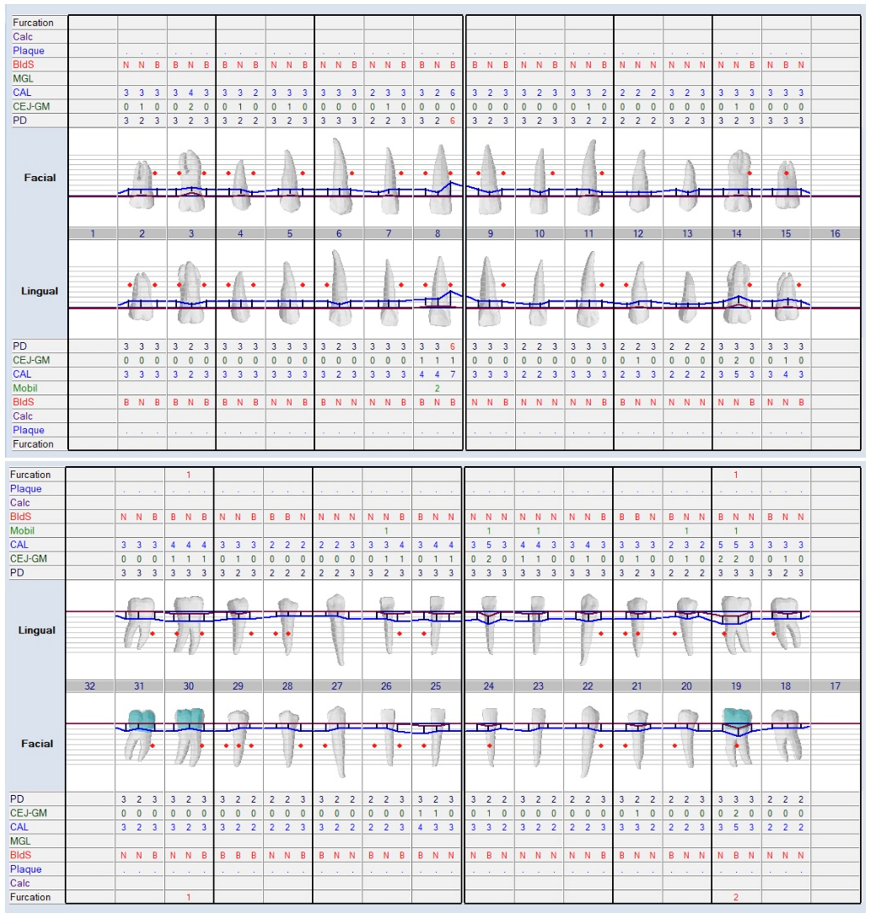
Figure 10: Periodontal charting record (after periodontal treatment).
Abbreviations used in this figure: Calc: Calculus. BldS: Bleeding on Probing. MGL: Mucogingival Line. Mobil: Mobility. CAL: Clinical attachment level. CEJ-GM: the distance from the cementoenamel junction to the gingival margin. PD: Probing depth.
Residual probing depth ≥5mm was noted on #8. Furcation involvement was observed on #19 buccal (Class II). 19 lingual (Class I) and #30 buccal and lingual (Class I).
Discussion
Neutrophils constitute the first line of defense against oral pathogens and play a critical role in maintaining periodontal tissue homeostasis. Quantitative or functional neutrophil deficiencies significantly increase susceptibility to periodontal destruction [2]. In patients with Severe Congenital Neutropenia (SCN), impaired host defense contributes to early‑onset and rapidly progressive periodontitis. Bao et al. demonstrated that patients with SCN receiving G‑CSF therapy exhibit reduced levels of antimicrobial peptides and elevated concentrations of the inflammatory marker interleukin‑6 in gingival crevicular fluid and saliva, indicating a compromised immune response despite medical management [6].
Several immunodeficiency disorders can present with severe periodontitis and should be considered in the differential diagnosis, including cyclic neutropenia, Langerhans cell histiocytosis, Chediak–Higashi syndrome, leukocyte adhesion deficiency, Papillon–Lefèvre syndrome, Haim–Munk syndrome, chronic granulomatous disease, Down syndrome, and acute leukemia [7,8]. In the present case, the diagnosis of SCN was confirmed through laboratory evaluation and genetic testing, allowing targeted medical and dental management.
According to the American Academy of Pediatric Dentistry (AAPD) guideline “Antibiotic prophylaxis for dental patients at risk for infection,” patients with compromised immune systems, including those with SCN, are at increased risk of bacteremia and distant‑site infections following invasive dental procedures and therefore may require antibiotic prophylaxis [9]. In this case, amoxicillin (50 mg/kg) was administered prior to periodontal examination and treatment. The AAPD guideline “Dental management of pediatric patients receiving immunosuppressive therapy and/or head and neck radiation” further recommends deferring elective dental procedures when ANC is below 1,000 cells/μL [5]. However, because patients with SCN often exhibit chronically low ANC values, clearer, disease‑specific guidelines for dental management in this population are warranted.
A systematic review evaluating the relationship between neutropenia and periodontitis reported that adjunctive systemic antibiotics improved clinical outcomes when combined with conventional periodontal therapy, although antibiotic regimens varied among studies [2]. Evidence supporting antibiotic adjuncts is further strengthened by the randomized controlled trial by Rooney et al., which demonstrated that combined amoxicillin and metronidazole therapy produced superior reductions in probing depth, bleeding on probing, and attachment loss compared with either antibiotic alone or placebo [10]. Based on these findings, combination antibiotic therapy was selected as adjunctive treatment in this case.
Pathologic tooth migration (PTM), observed in this patient, is a common clinical finding in periodontitis, with a reported prevalence of 30.3%–55.8% [11]. While spontaneous correction may occur following periodontal stabilization in early cases, advanced migration often necessitates orthodontic or prosthodontic intervention [11]. Gaumet et al. reported that diastemata greater than 1.0 mm demonstrated low rates (20%) of spontaneous closure following periodontal therapy [12]. Consistent with these findings, the diastema observed in this patient suggests a high likelihood of requiring orthodontic or prosthetic treatment once periodontal stability is achieved.
Conclusion
This case highlights severe periodontitis as a significant and early oral manifestation of pediatric severe congenital neutropenia. Early dental recognition, close medical–dental collaboration, and long‑term periodontal maintenance are critical in managing affected patients and minimizing oral and systemic complications.
Author Contributions:
Yu-Chen Cheng: patient management, data collection, liturature review and manuscript drafting.
Jung-Wei Chen: patient treatment supervision, critical revision of the manuscript and supervision.
All authors approved the final manuscript.
Conflicts of Interest: All the authors report no conflicts of interest.
Grant information: The authors received no specific funding for this work and was conducted as part of routine clinical practice at Loma Linda University Pediatric Dentistry Clinic.
Acknowledgement: The authors would like to thank the faculty, residents, dental assistants, and staff who were involved in the care and management of the patient described in this report.
References
- Walkovich K, Connelly JA. Congenital Neutropenia and Rare Functional Phagocyte Disorders in Children. Hematol Oncol Clin North Am, 2019; 33(3): 533-551.
- Schmidt JC, Walter C, Rischewski JR, Weiger R. Treatment of periodontitis as a manifestation of neutropenia with or without systemic antibiotics: a systematic review. Pediatr Dent, 2013; 35(2): E54-63.
- Tirali RE, Yalçınkaya Erdemci Z, Çehreli SB. Oral findings and clinical implications of patients with congenital neutropenia: a literature review. Turk J Pediatr, 2013; 55(3): 241-245.
- Ye Y, Carlsson G, Wondimu B, et al. Mutations in the ELANE gene are associated with development of periodontitis in patients with severe congenital neutropenia. J Clin Immunol, 2011; 31(6): 936-945.
- American Academy of Pediatric Dentistry. Dental management of pediatric patients receiving immunosuppressive therapy and/or head and neck radiation. The Reference Manual of Pediatric Dentistry. Chicago, Ill.: American Academy of Pediatric Dentistry, 2024: 545-553.
- Bao K, Silbereisen A, Grossmann J, et al. Protein Network Alterations in G-CSF Treated Severe Congenital Neutropenia Patients and Beneficial Effects of Oral Health Intervention. Proteomics Clin Appl, 2024; 18(6): e202400064.
- American Academy of Pediatric Dentistry. Systemic Diseases and Syndromes that Affect the Periodontium. The Reference Manual of Pediatric Dentistry. Chicago, Ill.: American Academy of Pediatric Dentistry, 2024: 641-643.
- Griffen A, Tatakis D. Periodontal Disease and Condition. In Nowak A, Casamassimo P eds. The Handbook of Pediatric Dentistry. 5th ed. Chicago: American Academy of Pediatric Dentistry, 2018: 131-134.
- American Academy of Pediatric Dentistry. Antibiotic prophylaxis for dental patients at risk for infection. The Reference Manual of Pediatric Dentistry. Chicago, Ill.: American Academy of Pediatric Dentistry, 2024: 538-542.
- Rooney J, Wade WG, Sprague SV, Newcombe RG, Addy M. Adjunctive effects to non-surgical periodontal therapy of systemic metronidazole and amoxycillin alone and combined. A placebo controlled study. J Clin Periodontol, 2002; 29(4): 342-350.
- Brunsvold MA. Pathologic tooth migration. J Periodontol, 2005; 76(6): 859-866.
- Gaumet PE, Brunsvold MI, McMahan CA. Spontaneous repositioning of pathologically migrated teeth. J Periodontol, 1999; 70(10): 1177-1184.