
Email id: info@ijclinmedcasereports.com
Occurrence of Metastatic Malignant Melanoma Following Therapy for Multiple Myeloma: A Rare Case Report
Muhammad Sher Ali1,*, Ammarah Tahir2, Fatima Ali Shah3, Zara tul Ain4, Muhammad Mudasir5, Misbah Maktoob1, Farzan Ali6, Hiba Asif7, Asad Hayat8, Usman Ahmad9, Bushra Ahsan9 and Syed Waqas Imam Bokhari9
1FCPS Internal Medicine, Fellow Clinical Hematology SKMCH&RC Lahore, Pakistan
2FCPS Hematology, Fellow, Diagnostic Hematology, SKMCH&RC Lahore, Pakistan
3FCPS 1 Medicine and allied, Postgraduate Resident Medical Oncology, PIMS, Islamabad, Pakistan
4FCPS clinical hematology, Fellow BMT, SKMCH&RC Lahore, Pakistan
5FCPS Internal Medicine, Fellow Gastroenterology, SKMCH&RC Lahore, Pakistan
6FCPS Internal Medicine, Fellow Medical oncology SKMCH&RC Lahore, Pakistan
7FCPS hematology, Consultant Diagnostic Hematology, SKMCH&RC Lahore, Pakistan
8DABP, Consultant Hematopathology, SKMCH&RC Lahore, Pakistan
9FRCPath Hematology, Consultant Clinical Hematology, SKMCH&RC Lahore, Pakistan
Received Date: 06/05/2026; Published Date: 03/07/2026
*Corresponding author: Muhammad Sher Ali, FCPS Internal Medicine, Fellow Clinical Hematology SKMCH&RC Lahore, Pakistan
Abstract
Patients on treatment and active clinical surveillance for multiple myeloma for a long time are normally considered to be at increased risk of being diagnosed with second primary malignancies as compared to the general population due to multiple risk factors. We have come across an interesting and rare case report in SKMCH&RC Lahore Pakistan. Patient was a known case of Multiple myeloma (MM) diagnosed back in January 2023 received multiple line of treatment and was on active clinical surveillance and follow up and later he was diagnosed with rare Metastatic malignant melanoma. A 54-year-old male patient, resident of Banu district of Khyber Pakhtunkhwa, was diagnosed as a case of MM after initial diagnostic workup and started on an induction chemotherapy regimen of RVD i.e., Bortezomib, lenalidomide and dexamethasone and received 4 cycles of this chemotherapy regimen, patient had complete metabolic response after the said chemotherapy regimen and the disease was in remission. Then patient receive consolidation with high-dose melphalan followed by an autologous stem cell transplant. As the patient responded very well to the Autologous stem cell transplant and disease was in complete metabolic remission, the patient was started on a maintenance regime of lenalidomide 10 mg and received 9 cycles of chemotherapy till November 2025. After 3 years of complete metabolic response with active follow-up patient presented in SKMCH&RC, Acute medical unit with the complaints of Grade 3 Diarrhea, yellowish discoloration of sclera and skin, nonspecific generalized body aches with tenderness of right hypochondrium. in initial complete blood counts report patient had severe pancytopenia and later bone marrow biopsy done that shows tumor cells with melanin pigments that have infiltrated and spread extensively in the bone marrow. This finding in the bone marrow has been consistent with the diagnosis of metastatic malignant melanoma with marrow involvement. Interestingly, after repeated skin examinations, no superficial visible skin lesions were found in this case. Radiological investigation confirmed that the malignant disease is widespread with liver involvement. This rare, peculiar case actually highlights that SPM can present in a patient previously treated for MM and are on active surveillance, and usually the presenting features are atypical with more aggressive course of the disease.
Keywords: SKMCH&RC: Shaukat Khanum Memorial Cancer Hospital and Research Center; MM: Multiple Myeloma; SPM: Second Primary Malignancies
Introduction
MM is one of the hematological cancers characterized by plasma cell proliferation with clonal involvement. MM and after therapy, causes immune system dysfunction and causes an immunocompromised status of the patient, which keeps the patient at an increased risk for developing SPM, as the natural immune system that keeps a check on active cancer mutations has been dysregulated. With recent advances and therapies available for MM patients, the overall survival and outcomes have been improved significantly; at the same time, the risk of occurrence of SPM has also increased in this cohort group. Various factors actually influence the presentation, clinical course, and outcomes of these SPM, for example, age of the patient at presentation, previous comorbidities of the patient, the type of chemotherapy received previously for MM, and duration of chemotherapy received. Also, there are cumulative effects of different types of chemotherapies received, like alkylating agents, i.e., melphalan, and immunomodulating agents like lenalidomide or thalidomide, so these patients are at increased risk of developing SPM [1].
It's been generally considered that hematological malignancies like Acute Myeloid Leukemia or myelodysplastic syndrome present more frequently after receiving multiple chemotherapies in combination. But the occurrence of solid organ malignancies also increased relatively to the general population. Dermatological malignancies like malignant melanoma present very rarely as a SPM and have a high morbidity and mortality rate. Possible molecular-level pathophysiology and mechanism for these SPM can be MM -associated T cell deregulations and a change in natural killer cells' activity as its immunocompromised state. Second is therapy-related effects as the patient received high-dose melphalan and immunomodulator agents, i.e., lenalidomide, as maintenance, which increased the risk of possible cancer mutations [2]. Also, certain lifestyle risk factors like a history of smoking and environmental factors, along with genomic predisposition, can be a possible mechanism of developing SPM.
Case Presentation
54 years old Asian Pakistani male, Smoker of 10 pack years, married 5 kids, hypertensive with good control and compliance to antihypertensives, driver by profession in the Middle East. Presented with complaints of pain in the right hip and chest 3 years ago with history of generalized body aches. Following extensive workup, he was diagnosed with Multiple myeloma ISS II with SPEP of 4.04g/dl.
He received Induction chemotherapy with (bortezomib/lenalidomide/dexamethasone [VRd]) 4 cycles extending from January 2023 to June 2023 and monthly zoledronic acid, had dental extraction in May 2023, followed by High dose melphalan with stem cell rescue therapy followed by complete metabolic response on PET scan and SPEP negative, serum free light chain decreased to normal ratio, he was then continued on lenalidomide 10mg Maintenance therapy. In Jan 2026 patient presented in the Acute Medical Unit of SKMCH&RC with Grade 3 Diarrhea, yellowish discoloration of sclera and skin, nonspecific generalized body aches with tenderness of the right hypochondrium. Clinical exam showed tender hepatomegaly and jaundice. pale-looking, emaciated male with bilateral symmetrical pedal edema rest of physical examination was normal. There was no skin lesion.
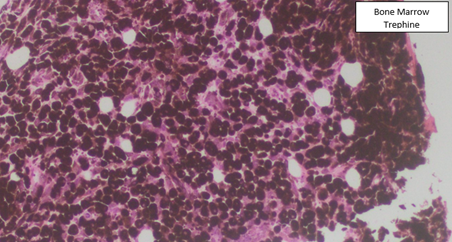
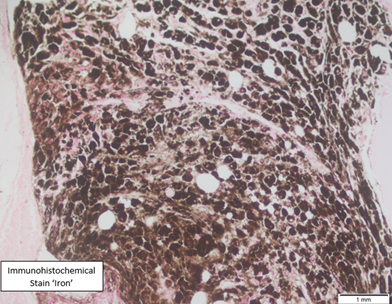
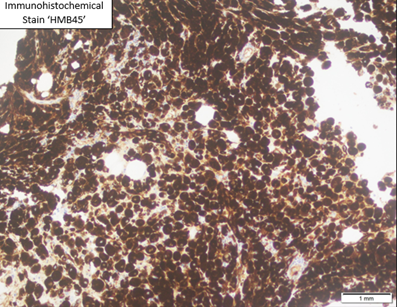
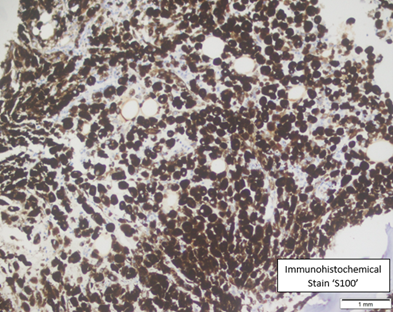
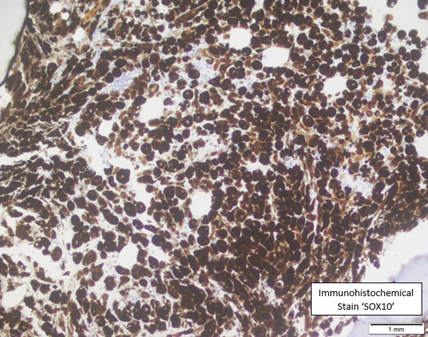
Initial laboratory evaluation was performed and the complete blood count revealed Hemoglobin of 4 g/dL, WBC 1.97 x10³/µl with ANC of 0.9 x10³/µl and Platelet count of 19 x103/µl. Peripheral blood smear revealed anisocytosis with fragmented red blood cells and polychromasia, accompanied by decreased white blood cell count with neutropenia, and reduced platelets without evidence of clumping. Based on these findings and the patient’s clinical condition, further evaluation with bone marrow biopsy, serum protein electrophoresis, serum free light chain assay, and a comprehensive biochemical profile was recommended. Bone marrow aspirate was hypocellular and hemodiluted (most likely representing a blood tap), comprising predominantly mature neutrophils and lymphocytes. Touch preparation shows large tumor cells with prominent nucleoli, cytoplasmic pigment, and focal clustering. Good length trephine biopsy shows reduction in all three cell lineages (Erythropoiesis, Myelopoiesis and Megakaryopoiesis). However, the trephine was extensively replaced by sheets of large polygonal to spindled tumor cells with prominent nucleoli and abundant cytoplasmic melanin pigment. Immunohistochemical stains show tumor cells positive for S100, SOX10, and HMB45, and negative for iron. Taken together, these findings were diagnostic of metastatic malignant melanoma.
Ultrasound abdomen- preliminary report--> multiple hepatic lesions with patent portal and hepatic vein. Liver function tests were deranged, and severe pancytopenia, his lenalidomide was held because of low platelets. Imaging revealed widespread metastatic disease involving the liver, lung, pleura, and para-aortic lymph nodes.
Discussion
This clinical case actually highlights the fact that with advances in treatment options for multiple myeloma and various available options, the overall survival has been improved significantly, but at the same time, these survivor patients, who previously received multiple chemotherapies in induction and maintenance regimes, are more at risk for having therapy-related adverse events and this can be considered like double edge sword for these survivor patients. In this clinical case, we have seen a rare phenomenon of melanoma of unknown primary as there were no skin lesions present, and the melanoma had widespread visceral and bone marrow involvement at diagnosis. The bone marrow dysregulation in this patient due to the risk factors present provides a favorable medium for second primary malignancy for hematogenous spread and escaping the tumor's initial detection [3]. As this patient is post-transplant and has received both high-dose melphalan and long-term maintenance of lenalidomide, the synergistic effects of both classes keep the patient at high risk of developing the SPM [4]. Immunomodulating agent like lenalidomide has been considered as one of the effective drug against myeloma and has been a part of different induction and maintenance protocol, its been considered that it alters T cell function and causes dysregulation of the immune system that causes highly aggressive cancers like melanoma to present as metastatic disease and escapes the immune checkpoint system [5]. This case is also seeming to be a diagnostic challenge in hematology as the patient presents with features of pancytopenia with systemic features, and the first probable differential diagnosis was relapse of multiple myeloma or may be therapy related leukemia, metastatic solid tumor can behave like hematological malignancy with marrow involvement and B symptoms.
After doing an extensive literature review regarding successful multiple myeloma treated cases and long-term survivors of multiple myeloma, it has been noted that the risk of developing SPM is relatively less to develop solid malignancies as compared to the hematological malignancies. Reviewing the Surveillance, Epidemiology and End result program online data to know about the percentage of melanoma as SPM it has been noted that the incidence of melanoma as SPM is very low as 1 to 2 percent. The same very low percentage of 1 to 2 percent of SPM as melanoma has been reported in clinical trial cohorts and myeloma XI trail. The incidence of melanoma has been significantly increased in patient who have undergone a previous Autologous stem cell transplant [4,6]. Patients who have been on maintenance immunomodulating agents like lenalidomide have presented with metastatic melanoma in an aggressive manner in recent case reports of 2024 and 2025, which highlight the concept of post-transplant reset of the immune system and increased risk of SPM. From one of the recent reports from Davis and miller 2025 the incidence of solid second primary malignancy continues to rise beyond the 5-year survival mark, which highlights the need of life long dermatological examination to screen for malignant melanoma [7].
Images of Metastatic Malignant Melanoma
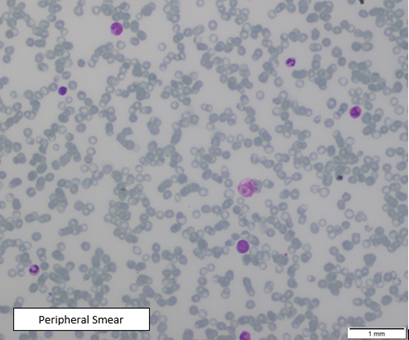
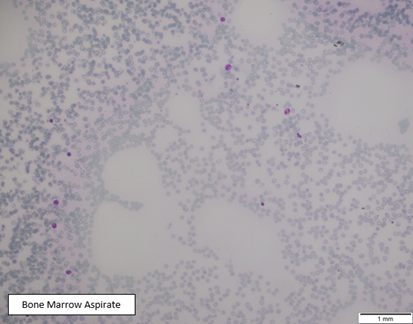
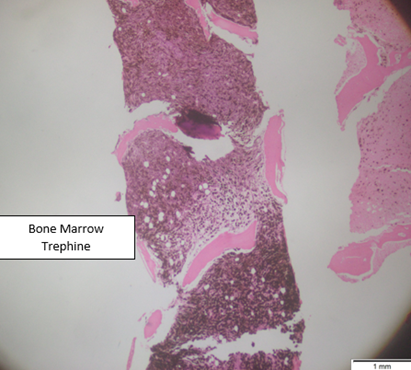
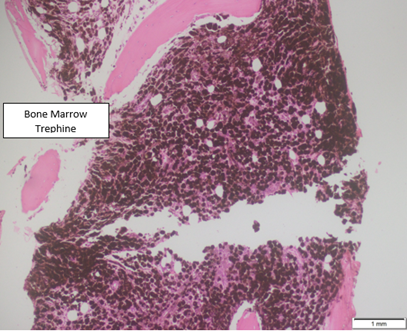
Conclusion
Overall survival of multiple myeloma has been improved significantly post-transplant and on long-term immunomodulating agent but at same time due to reset of the immune system post-transplant and genetic alterations due to immunomodulating agents, multiple myeloma patients are at increased risk of developing second primary malignancies and need close clinical surveillance.
References
- Rajkumar SV. Multiple myeloma: 2024 update on diagnosis, risk-stratification, and management. Am J Hematol, 2024; 99(4): 642-656.
- Attal M, et al. Lenalidomide maintenance after stem-cell transplantation for multiple myeloma. N Engl J Med, 2012; 366(19): 1782-1791.
- Jafri MQ, Ahmed S, et al. Metastatic malignant melanoma presenting as superior vena cava syndrome in a patient with multiple myeloma. Cureus, 2024; 16(2): e54123.
- Kumar S, et al. Second primary malignancies in multiple myeloma: An updated analysis. Cancers (Basel), 2022; 14(14): 3382.
- Gonzalez-Calle V, Mateo’s MV. Second primary malignancies in the era of novel agents for multiple myeloma. Blood Rev, 2024; 63: 101132.
- Jones JR, et al. Second malignancies in the context of lenalidomide treatment: Analysis of the Myeloma XI trial. Blood Cancer J, 2023; 13(1): 12.
- Davis J, Miller K. Immune exhaustion and the risk of solid tumors in plasma cell dyscrasias. Arch Dermatol Res, 2025; 317(1): 45-52.