
Email id: info@ijclinmedcasereports.com
Chronic Ulceration as the Initial Manifestation of Parry–Romberg Syndrome: A Case Report
Charaf Bouabbadi*, Ayoub Bouimtarhan, Sanah Sadiki, Houda Brarou, Aissam Fiqhi, Adil Elkhouyaali, Yassine Mozari
Department of Ophthalmology, Mohammed V Military Teaching Hospital, Rabat, Morocco
Received Date: 23/02/2026; Published Date: 01/06/2026
*Corresponding author: Charaf Bouabbadi, Department of Ophthalmology, Mohammed V Military Teaching Hospital, Rabat, Morocco
Abstract
Background: Parry–Romberg Syndrome (PRS), or progressive hemifacial atrophy, is a rare acquired disorder characterized by unilateral facial atrophy with variable neurological and ophthalmological involvement. Ocular manifestations are diverse and may occasionally represent the initial mode of presentation, leading to diagnostic delay.
Case presentation: We report the case of a 31-year-old male with a long-standing history of migraine who presented with chronic keratitis of the left eye evolving over three months, without a history of trauma or contact lens wear. Ophthalmological examination revealed an infiltrated paracentral corneal ulcer with marginal abscessation, reduced corneal sensitivity, and tear film deficiency. General examination disclosed left-sided hemifacial atrophy. Based on clinical findings, a diagnosis of Parry–Romberg syndrome was established. The patient was managed with topical antibiotics, artificial tears, and vitamin A ointment, with a slow but favorable evolution and complete corneal healing after six months.
Conclusion: This case highlights an unusual ophthalmological presentation of Parry–Romberg syndrome revealed by a chronic corneal ulcer. It underscores the importance of considering PRS in cases of unexplained chronic keratitis, particularly when associated with facial asymmetry. Early recognition is essential to ensure appropriate multidisciplinary management and to prevent potentially sight-threatening complications.
Keywords: Parry–Romberg syndrome; Progressive hemifacial atrophy; Chronic corneal ulcer; Keratitis; Ophthalmological manifestations
Introduction
Parry–Romberg Syndrome (PRS), also known as progressive hemifacial atrophy, is a rare acquired disorder characterized by a slowly progressive, unilateral atrophy of the skin, subcutaneous tissue, muscles, and underlying osseous structures of the face [1,2]. The disease most commonly begins during childhood or adolescence and evolves over several years before reaching a spontaneous phase of stabilization [1].
Although PRS primarily affects the craniofacial region, it is increasingly recognized as a potentially multisystem disorder, with variable neurological, ophthalmological, and maxillofacial manifestations [2,3]. Neurological involvement, sometimes subclinical, has been reported in a significant proportion of patients, justifying systematic neurological and radiological evaluation [3]. A frequent clinical overlap with linear morphea en coup de sabre has been described, suggesting that these conditions may belong to the same nosological spectrum [4].
In the absence of standardized diagnostic criteria and given the possibility of atypical presentations, the diagnosis of PRS remains essentially clinical and may be delayed. Reporting unusual modes of presentation therefore remains of particular interest to improve early recognition of the disease [1,4].
Case Report
We report the case of a 31-year-old male patient with a 15-year history of migraine, without associated neurological deficits, who was referred to our department for the management of chronic keratitis of the left eye evolving over a three-month period. There was no history of ocular trauma or contact lens wear.
Ophthalmological examination of the right eye was unremarkable. Examination of the left eye revealed a best-corrected visual acuity (BCVA) of 0.4. Slit-lamp examination showed moderate conjunctival hyperemia associated with an infiltrated inferior paracentral corneal ulcer measuring approximately 2 mm in width and 3 mm in height, with marginal abscessation. Corneal sensitivity was reduced, and Schirmer’s test demonstrated decreased tear secretion, measuring 5 mm after 5 minutes. No inflammatory reaction was observed in the anterior chamber. Intraocular pressure was within normal limits, and fundus examination revealed no abnormalities.
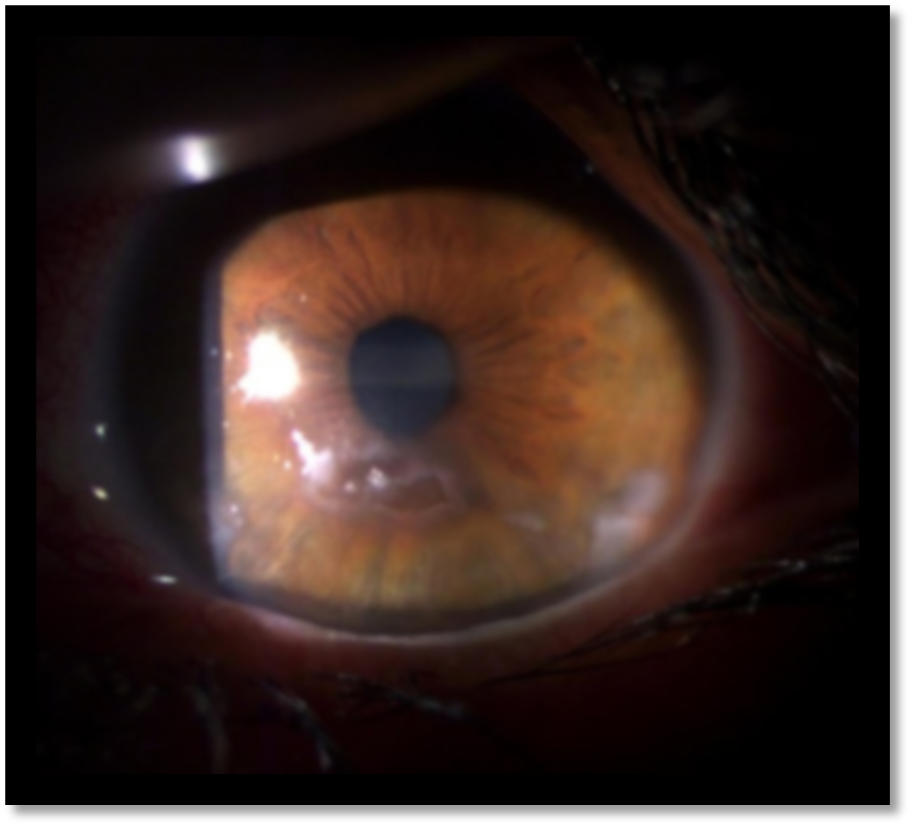
Figure 1: Slit-lamp photograph showing a chronic corneal ulcer of the left eye with infiltrated and abscessed margins.
General physical examination revealed left-sided hemifacial atrophy, with no other associated systemic manifestations.
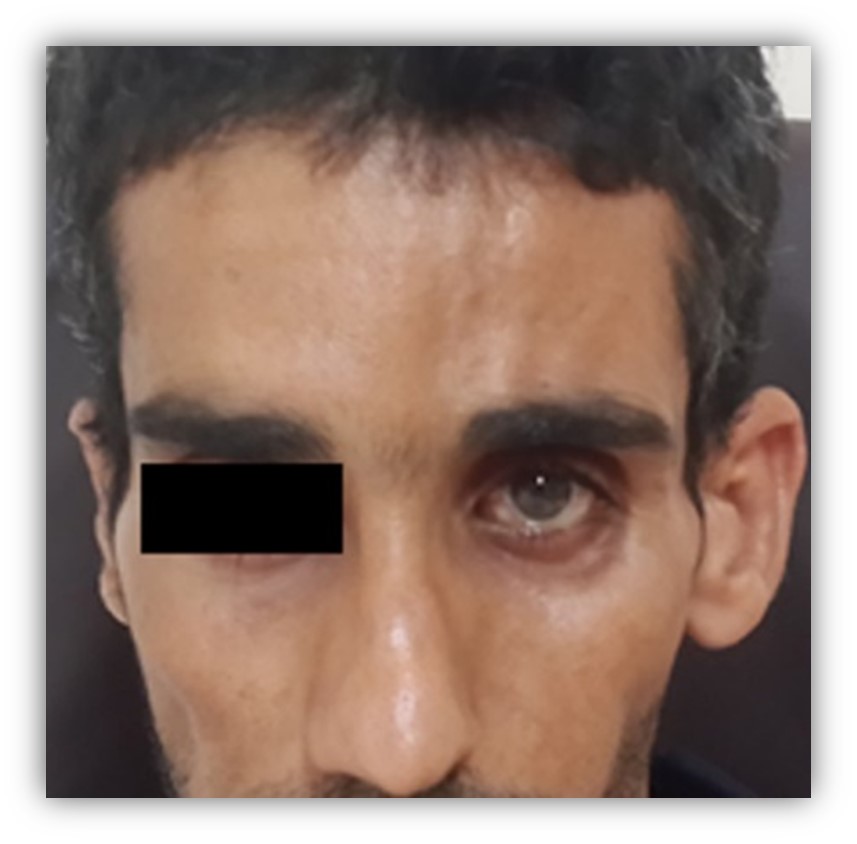
Figure 2: Clinical photograph showing left-sided hemifacial atrophy.
Management consisted of topical therapy including artificial tears, vitamin A ophthalmic ointment, and topical antibiotic treatment with a fluoroquinolone. Analgesic therapy was also prescribed for migraine attacks.
Clinical evolution was slow but favorable, with regression of the corneal abscess within two days of treatment initiation, followed by the onset of ulcer healing after three weeks. Complete resolution was achieved after six months of follow-up.
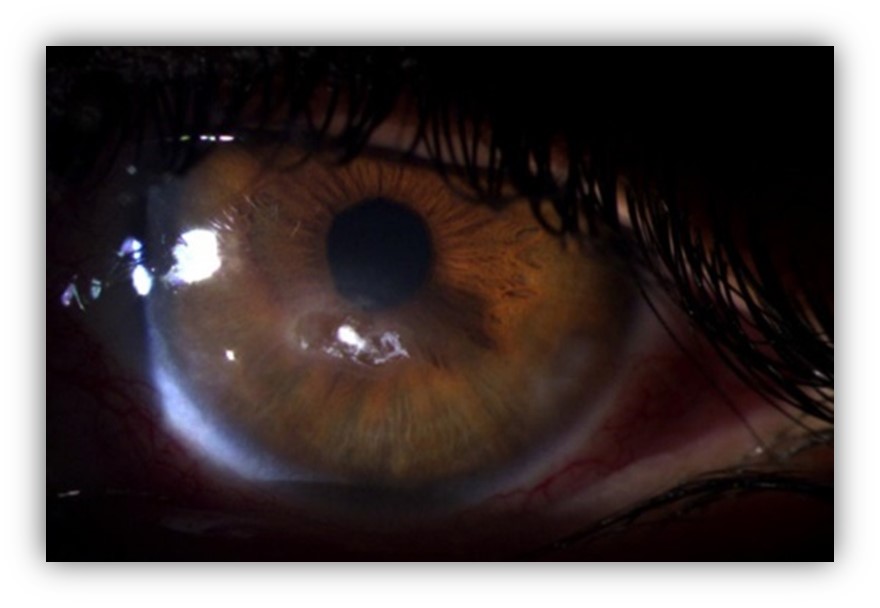
Figure 3: Slit-lamp examination showing regression of the corneal abscess two days after initiation of topical antibiotic treatment.
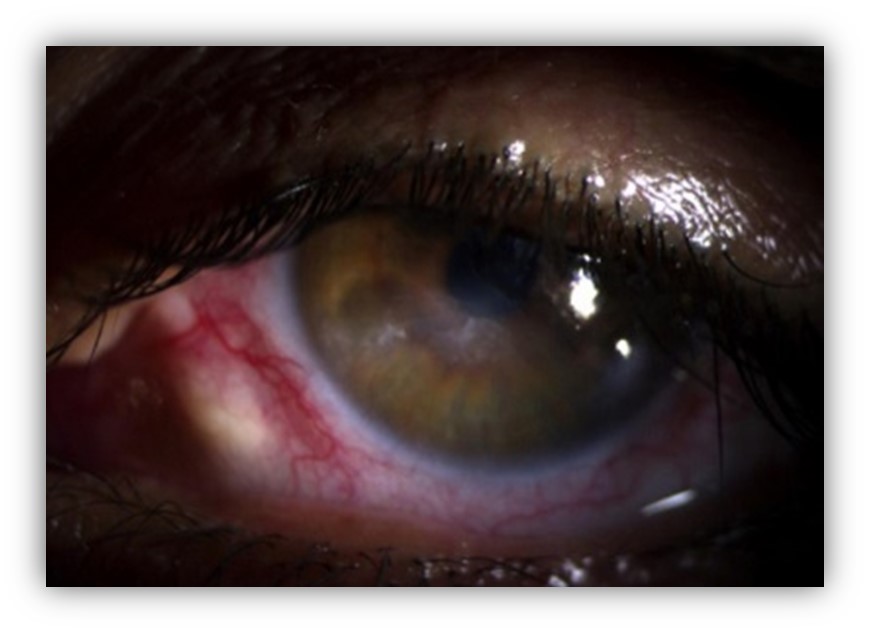
Figure 4: Slit-lamp photograph showing complete corneal ulcer healing after six months of treatment.
Discussion
Parry–Romberg syndrome is a rare disorder, with an estimated worldwide occurrence of approximately 1 per 700,000 individuals, although this figure is likely underestimated due to underdiagnosis and variability in clinical expression [5]. The disease typically affects children and young adults and follows a slowly progressive course over a highly variable period ranging from 2 to 20 years, before entering a phase of spontaneous stabilization, the mechanisms of which remain poorly understood [6].
Clinically, PRS is characterized by unilateral progressive hemifacial atrophy involving the skin, subcutaneous fat, muscles, and, in advanced cases, the underlying osseous structures [5,6]. This facial involvement frequently coexists with extracutaneous manifestations, reflecting the potentially multisystemic nature of the disease. Neurological involvement represents the most common associated manifestation and includes partial seizures, migraine, hemiplegia, cerebral atrophy, and intracranial vascular abnormalities [7]. In the present case, migraine was the sole neurological symptom reported, without focal neurological deficits, in keeping with previous reports describing isolated or mild neurological involvement in some patients [8].
Ophthalmological manifestations are reported in approximately 10–30% of patients with PRS and may occasionally constitute the initial presentation of the disease [9]. These manifestations most commonly include enophthalmos secondary to orbital fat atrophy, eyelid atrophy, uveitis, and, more rarely, retinal vasculitis [9,10]. In our patient, enophthalmos was associated with recurrent keratitis related to both ocular surface dryness and corneal hypoesthesia. Corneal sensory impairment is an uncommon but clinically significant finding in PRS and represents a major risk factor for the development of chronic epithelial defects and neurotrophic keratopathy, conditions that are often difficult to manage and associated with delayed corneal healing [10,11].
The originality of this case lies in the ophthalmological mode of presentation, with a chronic corneal ulcer revealing previously unrecognized PRS in a patient with established hemifacial atrophy. This atypical presentation highlights the importance of a thorough general and facial examination in cases of unexplained chronic keratitis, particularly when associated with facial asymmetry. Early recognition of PRS allows appropriate multidisciplinary management and may help prevent sight-threatening and functional complications.
Conclusion
Parry–Romberg syndrome is a rare disorder with a wide spectrum of ophthalmological manifestations, which may occasionally constitute the initial mode of presentation. It is a self-limiting condition with no curative treatment, and management remains primarily supportive. Optimal care relies on a multidisciplinary approach involving ophthalmology, neurology, maxillofacial surgery, and aesthetic medicine, with the aim of preventing functional complications, preserving visual outcomes, and addressing facial asymmetry after disease stabilization.
References
- Shah SS, Chhabra M. Parry–Romberg Syndrome (Progressive Hemifacial Atrophy). StatPearls. Treasure Island (FL): StatPearls Publishing, 2023.
- Arif T, Fatima R, Sami M. Parry–Romberg syndrome: a clinical review. Acta Dermatovenerol Alp Pannonica Adriat, 2020; 29(3): 121–125.
- Gorolay VV, et al. Neuroimaging and Clinical Features of Parry–Romberg Syndrome and Linear Morphea En Coup de Sabre in a Large Case Series. Acad Radiol, 2025; 32(7): 4154–4163.
- Jun JH, et al. Parry–Romberg syndrome with en coup de sabre. Ann Dermatol, 2011; 23(3): 342–345.
- Sharma PK, et al. Parry–Romberg syndrome: a case report and literature review. Cureus, 2024; 16: e38523.
- Tolkachjov SN, et al. Progressive hemifacial atrophy: a review. Orphanet J Rare Dis, 2015; 10: 39.
- Vix J, et al. Neurological manifestations in Parry–Romberg syndrome: two case reports. Medicine (Baltimore), 2015; 94(28): e1147.
- El Maroufi S, et al. Chronic corneal ulcer revealing Parry–Romberg’s syndrome: a case report. Pan Afr Med J, 2021; 38: 53.
- Bucher F, et al. Ophthalmological manifestations of Parry–Romberg syndrome. Surv Ophthalmol, 2016; 61(6): 693–701.
- Dua HS, et al. Neurotrophic keratopathy. Prog Retin Eye Res, 2018; 66: 107–131.
- Mastropasqua L, et al. Neurotrophic keratopathy: current challenges and future perspectives. Clin Ophthalmol, 2022; 16: 3385–3396.