
Email id: info@ijclinmedcasereports.com
The GlowTox Protocol: 3-Step Multi-Layer Treatment with Botulinum Toxin and Tissue Polyrevitalizer
Jaqueline Barreto Rodrigues*
Plastic Surgeon, Nutrologist, Aesthetic and Reconstructive Plastic Surgery and Advanced Cosmiatry Clinic, Brazil
Received Date: 08/09/2025; Published Date: 25/09/2025
*Corresponding author: Dr. Jaqueline Rodrigues, Plastic Surgeon, Nutrologist, Aesthetic and Reconstructive Plastic Surgery and Advanced Cosmiatry Clinic, Visconde de Pirajá Street, 330/709, Ipanema, Rio de Janeiro, Brazil
Abstract
Skin aging affects all facial layers, demanding a multidimensional treatment approach. Given the multifactorial nature of skin aging, regenerative strategies that combine structural support with dermal revitalization are increasingly favored. One such approach involves the use of polyrevitalizing solutions and the intradermal and intramuscular use of botulinum toxin type A (BoNT-A), offering both functional and aesthetic benefits.This study evaluates a three-step facial rejuvenation protocol using intramuscular botulinum toxin, intradermal microbotulinum toxin and a polyrevitalizing solution (NCTF 135 HA). A prospective clinical evaluation of patients treated with the protocol was conducted. Skin hydration, elasticity, radiance, and wrinkle depth were assessed on days 0, 15, and 60. All parameters showed statistically significant improvement, with optimal tolerance and patient satisfaction. The GlowTox Protocol demonstrated synergistic effects in facial rejuvenation by combining neuromodulation and dermal biostimulation.
Keywords: Botulinum toxin; Mesotherapy; NCTF; Biorevitalization; Facial rejuvenation; Multilayer protocol; Microbotulinum
Introduction
Skin aging is a multifactorial and progressive biological process resulting from both intrinsic (chronological) and extrinsic (environmental) factors. Intrinsically, it is driven by genetic programming, hormonal changes, and the gradual decline in cellular function, while extrinsic aging is largely caused by ultraviolet radiation, pollution and lifestyle factors such as smoking and diet [1]. These processes lead to cumulative damage to skin structures, resulting in dermal thinning, loss of elasticity, decreased hydration, uneven pigmentation, and the formation of fine lines and wrinkles. The aging skin is characterized by reduced fibroblast activity, fragmentation of collagen and elastin fibers and alterations in the extracellular matrix (ECM) [2,3]. Additionally, oxidative stress and chronic low-grade inflammation, commonly referred to as “inflammaging,” contribute to cellular senescence and ECM degradation [4].
Another hallmark of aging skin is the decline in hyaluronic acid (HA) content. HA is a key molecule for water retention and volume maintenance in the dermis. Its reduction compromises skin turgor and hydration, contributing to the dry and dull appearance often seen in aged skin [5]. Furthermore, dermal microcirculation becomes impaired with age, leading to reduced nutrient and oxygen delivery to the skin and impairing tissue repair mechanisms [6].
Collectively, these changes result in visible and functional deterioration of the skin, creating a growing demand for targeted therapies that not only address structural support but also stimulate biological regeneration and cellular rejuvenation. In this context, the use of HA-polyrevitalizing solutions and neuromodulators such as botulinum toxin A, has emerged as an innovative approach in multi-layered facial rejuvenation strategies [7].
Given the multifactorial nature of skin aging, regenerative strategies that combine structural support with dermal revitalization are increasingly favored. One such approach involves the use of polyrevitalizing solutions, like NCTF® 135 HA, a sterile injectable formulation composed of non-crosslinked hyaluronic acid (5 mg/mL) and a complex of 59 active ingredients, including amino acids, vitamins, minerals, nucleotides, coenzymes, and antioxidants [8]. Its purpose is to restore optimal skin physiology by stimulating fibroblast activity, promoting extracellular matrix remodeling, and enhancing microcirculation. These effects reflect its ability to reactivate dermal metabolism, increase collagen and elastin synthesis, and improve cutaneous density — making it ideal for intradermal biorevitalization protocols, particularly in photodamaged or aging skin [9,10].
Complementing this, the intradermal and intramuscular use of botulinum toxin type A (BoNT-A) offers both functional and aesthetic benefits. While traditionally used to reduce dynamic wrinkles via neuromuscular blockade, recent literature highlights a second mechanism: “Botulinum toxin A has also demonstrated efficacy through intradermal (‘microbotox’, ‘mesobotox’) injection for skin rejuvenation; improving texture, tone, pore size, and elasticity” [11]. This cutaneous action is attributed to modulation of sebaceous activity, reduction in superficial muscle contraction, and potential effects on dermal fibroblasts and vascular regulation [12].
Therefore, a layered approach — combining intramuscular BoNT-A, intradermal mesobotox, and Poly-HA-biorevitalization — provides a synergistic effect, targeting multiple aspects of facial aging in a single protocol: muscular overactivity, structural dermal depletion and cellular metabolic decline.
Methods
Patient Selection
Inclusion criteria were adults aged 25 to 55 years, with mild to moderate facial aging (Glogau types II–III), presenting with signs of decreased skin quality, wrinkles and dynamic rhytides. Exclusion criteria included: pregnancy or lactation, active skin diseases, history of hypersensitivity to botulinum toxin or hyaluronic acid, autoimmune conditions, or recent aesthetic treatments (in the last 6 months) in the same areas.
Treatment Protocol
The proposed treatment follows a three-step, multilayer approach over a single session, using one ampoule of Poly-HA-biorrevitalizer (PHaB) - NCTF 135HA and one ampoule of 100 units of botulinum toxin (OnabotulinumtoxinA-Botox/ PrabotulinumtoxinA - Nabota/Nuceiva/Jeuveau/Clodew).
Step 1- Intramuscular Botulinum Toxin A: Administered according to standard aesthetic dosing patterns (e.g., glabella, frontalis, crow’s feet), targeting overactive facial muscles. The goal is to reduce dynamic lines while preserving facial expression. Dilution of 100 units of toxin to 1 ml of saline solution. Use up to 60 units intramuscularly, saving 40 units for step 3.
Step 2- Polirevitalizing Mesotherapy: aspiration of 1 ml of PHaB solution and intradermal application in areas where the toxin is not intended to be applied or in areas where the treatment is intended to be enhanced (such as regions with fine infrapalpebral lines, for example). Application of 0.01 to 0.05 ml per micropapule, with an average distance of 0.5 to 1 cm.
Step 3- GlowTox (Toxin + Poly-HA-biorrevitalizer): Dilution of the remaining 40 units of toxin (step 1 - 0,4 ml) in 2 ml of PHaB. Final toxin concentration: approximately 16.7 units/ml (total solution: 2.4 ml - each 0.01 to 0,05 ml micropapule will contain 0.16 to 0,8 units of toxin). Application of 0.01 to 0.05 ml per micropapule, with an average distance of 0.5 to 1 cm; superficial intradermal application in areas of the forehead, crow's feet, fine lines of the lower eyelid (limit of 2U of toxin per side in this area), accordion lines, “Wi-Fi” wrinkles (fine lines formed above to the eyebrow – Figure 1), neck and décolleté lines, acne scars or scars in general.
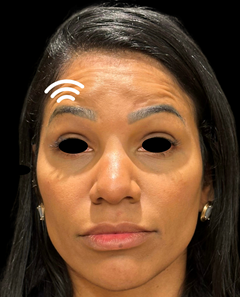
Figure 1: “Wi-Fi” Wrinkles.
Follow-Up and Outcome Assessment
Patients were evaluated at baseline (D0), after 15 days (D15), and at 60 days (D60). Assessments included:
- Photographic documentation under standardized lighting
- Patient and physician Global Aesthetic Improvement Scale (GAIS)
- Skin quality evaluation (hydration, radiance, texture) using a validated 5-point Likert scale
Adverse events and patient satisfaction were recorded at each visit.
Results
A total of 45 female patients (mean age: 39.8 ± 6.1 years) completed the treatment and follow-up. No participant was lost to follow-up. All procedures were well tolerated, with no major adverse events reported. There was no statistically significant difference in the results between the types of toxins used.
1. Skin Quality Improvement (Figure 2 and 3)
Significant improvement was observed across all skin quality parameters:
- Hydration (measured clinically and subjectively):
Increased in 95% of patients by day 15, with stable or further improved hydration at day 60. - Radiance/Glow:
Assessed by physician and patient Likert scales (1–5), mean score improved from 2.1± 0.6 at baseline to 4.2± 0.4 at day 60 (p < 0.001). - Texture (smoothness, pores):
89% of patients showed visible reduction in pore size and surface irregularities, especially in the malar and forehead regions. Many patients still report noticing their skin has fewer spots and a more even tone.
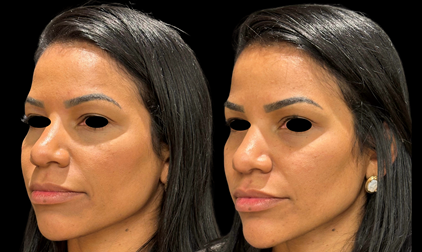
Figure 2: Before and after (D15) – “Glow” effect.
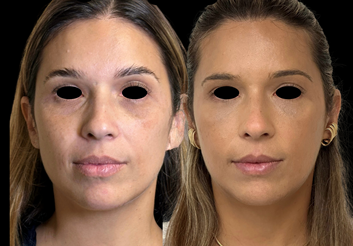
Figure 3: Before and after (D60) – “more even tone”.
2. Wrinkle and Fine Line Reduction (Figures 4-7)
- Periorbital, frontal and glabellar lines decreased significantly by day 15, with further refinement observed by day 60 due to dermal remodeling.
- Wrinkle severity scores (0–4 scale) improved by an average of 1.6 points at D60 (p < 0.01).
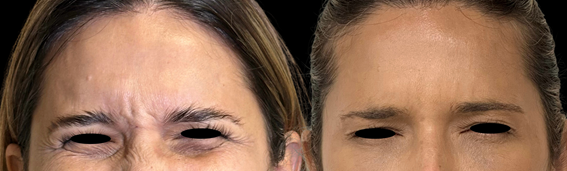
Figure 4: Before and after (D60).
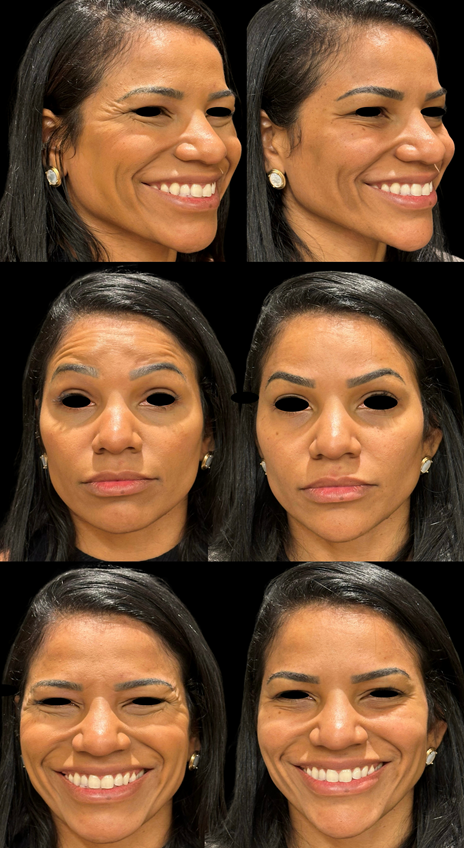
Figure 5: Before and after (D15).
3. Global Aesthetic Improvement
- GAIS (Global Aesthetic Improvement Scale):
At day 60, 100% of patients were rated as “Improved” or “Much Improved” by the treating physician. Patient self-assessment aligned in 95% of cases.
4. Adverse Events
- Mild erythema and edema at the injection sites were noted in 40% of patients, resolving within 24–48 hours.
- No cases of bruising, allergic reaction, ptosis or asymmetry were observed.
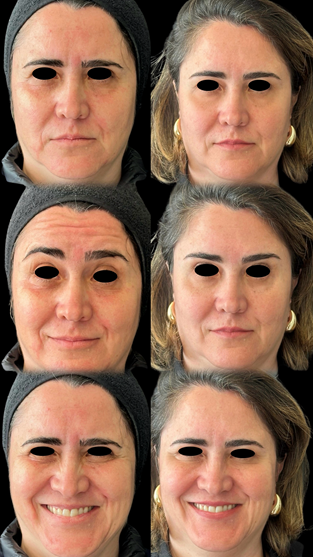
Figure 6: Before and after (D15).
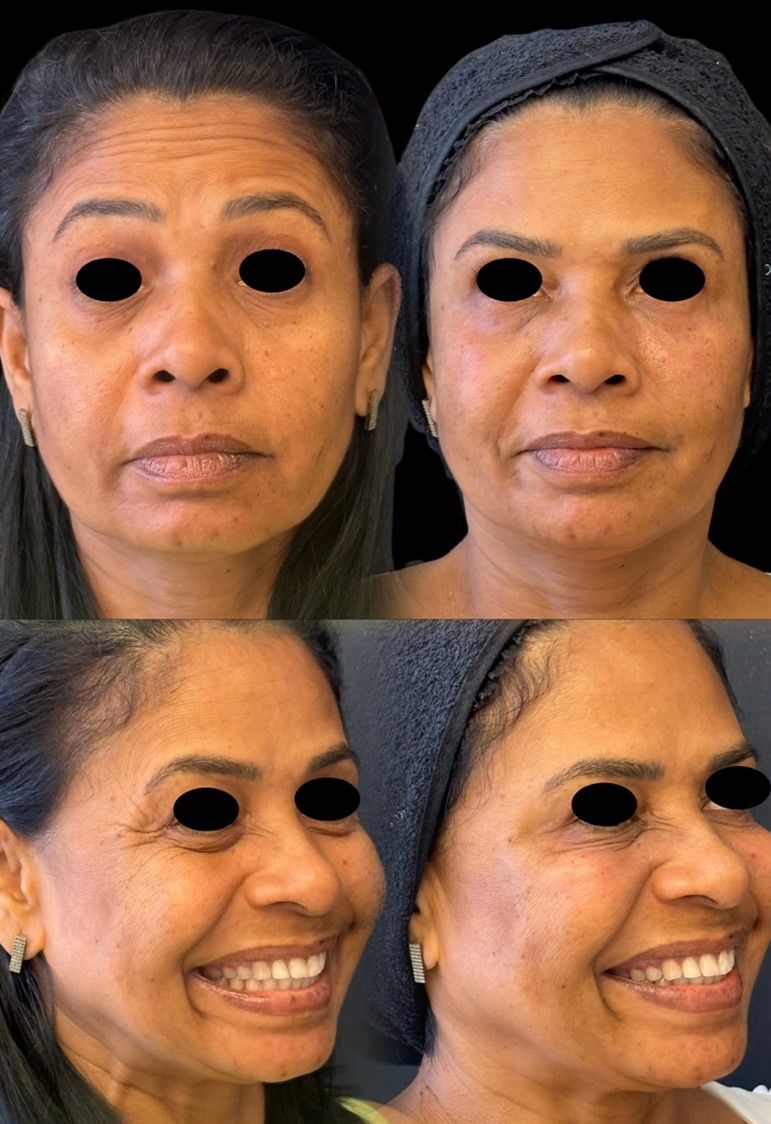
Figure 7: Before and after (D60).
Discussion
Facial aging is a complex, multifactorial process that affects all anatomical layers—from bone resorption and fat redistribution to muscle activity and dermal thinning. An effective rejuvenation strategy must, therefore, be multidimensional. The three-step protocol investigated in this study reflects this layered concept, targeting muscle dynamics, dermal quality and cellular environment in a synergistic manner.
The intramuscular application of botulinum toxin A remains a well-established treatment for dynamic facial rhytides. It effectively reduces muscle hyperactivity and prevents the formation of static wrinkles over time. However, its action is limited to muscular relaxation and does not directly improve skin quality [13].
The intradermal application of microdosed botulinum toxin (Microbotox or Mesobotox) expands the therapeutic range of BoNT-A. Multiple studies have demonstrated that intradermal BoNT-A improves skin texture, pore size and sebum regulation by modulating acetylcholine-mediated activity at the level of sweat and sebaceous glands [14]. Furthermore, there is growing evidence that BoNT-A may interact with fibroblasts and dermal vascular tone, potentially leading to increased microcirculation and skin oxygenation [15].
Complementing these neuromodulatory effects, the application of a Poly-HA-biorrevitalizer (NCTF 135 HA) delivers a biorevitalizing blend of non-crosslinked hyaluronic acid and 59 bioactive compounds—including vitamins, minerals, amino acids, nucleotides, and coenzymes—that stimulate fibroblast proliferation and extracellular matrix remodeling [16]. Clinical studies have shown that repeated NCTF sessions improve dermal density, hydration, elasticity, and radiance, with effects persisting over several months [17].
In our cohort, the combination of these three techniques in a single session resulted in statistically and clinically significant improvements in skin quality parameters, wrinkle depth and global aesthetic perception. Importantly, the results were already evident at day 15, with further enhancement at day 60, supporting the notion of layered synergy between neuromodulation and cellular stimulation.
In addition to these clear benefits, this protocol also acted as a complement to the intramuscular results of the toxin, with the treatment of areas that are more difficult to apply, such as fine lines on the lower eyelid, lines very close to the eyebrows (“Wi-Fi lines”), accordion, barcode and neck lines.
The absence of serious adverse events reinforces the safety of this integrated approach, especially when using precise techniques and pharmaceutical-grade products. Mild, transient erythema and edema were the only reported side effect, consistent with findings in other mesotherapy and BoNT-A studies.
Nevertheless, the study has limitations. The sample size was small and restricted to healthy female patients, which may limit generalizability. Also, no objective skin imaging or histological analysis was performed. Future studies using high-frequency ultrasound, cutometry or optical coherence tomography, as well as split-face randomized trials, would help validate and refine the findings.
Conclusion
The layered three-step rejuvenation protocol combining intramuscular botulinum toxin, intradermal microbotulinum and PHaB mesotherapy offers a safe, well-tolerated, and highly effective approach to improving facial aesthetics. By acting synergistically across multiple anatomical levels, this technique addresses both dynamic muscle activity and intrinsic skin quality, promoting natural-looking results with minimal downtime. Improvements in hydration, radiance and fine lines were significant and sustained. This strategy reinforces the paradigm shift in aesthetic medicine from volume-centric treatments toward skin-focused, regenerative interventions. Further randomized controlled trials with long-term follow-up are encouraged to validate these findings and refine the protocol.
Clinical Implications: This protocol aligns with current trends in aesthetic medicine that prioritize preventive, natural-looking results and skin health over volume replacement alone. It may be particularly useful for patients with early signs of aging, oily skin or dullness, and can be used as a complement to other treatments such as HA fillers or laser therapies.
Ethical Statements: All patients were treated in a private aesthetic medicine clinic in Brazil. The protocol adhered to the ethical principles outlined in the Declaration of Helsinki. This study did not require approval by an ethics committee, as it describes routine aesthetic clinical practice without experimental interventions or sensitive data collection. All patients provided written informed consent for the procedures and for the use of their anonymized clinical images and data for scientific publication purposes.
Author Contribution Statement: Jaqueline Barreto Rodrigues: Contributed to the conception and design of the study, performed all procedures, collected and interpreted clinical data, drafted and critically revised the manuscript. Approved the final version and agrees to be accountable for all aspects of the work.
Conflict of Interest: Dr. Jaqueline Barreto Rodrigues is an international speaker for Fillmed. However, this study was conducted independently and was not sponsored or financially supported by Fillmed or any other company.
Funding: This research received no external funding.
References
- Makrantonaki E, Zouboulis CC. Molecular mechanisms of skin aging: state of the art. Ann N Y Acad Sci, 2007; 1119: 40–50.
- Quan T, Fisher GJ. Role of age-associated alterations of the dermal extracellular matrix microenvironment in human skin aging: a mini-review. Gerontology, 2015; 61(5): 427–434.
- Farage MA, Miller KW, Elsner P, Maibach HI. Intrinsic and extrinsic factors in skin ageing: a review. Int J Cosmet Sci, 2008; 30(2): 87–95.
- Franceschi C, Garagnani P, Parini P, Giuliani C, Santoro A. Inflammaging: a new immune–metabolic viewpoint for age-related diseases. Nat Rev Endocrinol, 2018; 14(10): 576–590.
- Papakonstantinou E, Roth M, Karakiulakis G. Hyaluronic acid: a key molecule in skin aging. Dermatoendocrinol, 2012; 4(3): 253–258.
- Leffell DJ, Brash DE, Peto J, et al. The biology of aging skin: review. Curr Probl Dermatol, 2016; 50: 1–20.
- Redaelli A. Poly-HA-Biorevitalization (PHaB) and MesobotulinumtoxinA: Indications and personal technique. Int J Clin Med Cases, 2023; 34: 1-2. doi:10.46998/IJCMCR.2023.34.000841.
- Goldie K. The science behind NCTF 135HA: a polyrevitalising solution for skin quality improvement. J Aesthet Reconstr Surg, 2018; 4(1): 1–5.
- Rzany B, De Boulle K, Geiger B, Kerscher M. NCTF biorevitalisation: consensus recommendations for safe and effective treatment. J Cosmet Dermatol, 2020; 19(1): 24–32.
- Vleggaar D, Fitzgerald R, Lorenc Z. Polycomponent mesotherapy cocktail (NCTF): efficacy, indications, and safety. J Drugs Dermatol, 2014; 13(9): 1045–1050.
- Wu WT. Microbotulinum: Dynamic anatomy and concepts of botulinum toxin injection. Plast Reconstr Surg Glob Open, 2016; 4(12): e1175.
- Liew S, Dart A, Miller S. Botulinum toxin in aesthetic medicine: Myomodulation and beyond. Aesthet Surg J, 2020; 40(7): NP395–NP403.
- Sundaram H, Signorini M, Liew S, et al. Global aesthetics consensus: Botulinum toxin type A—evidence-based review, emerging concepts, and consensus recommendations for aesthetic use, including updates on complications. Plast Reconstr Surg, 2016; 137(3): 518e–529e.
- Shah A. Use of intradermal botulinum toxin to reduce sebum production and facial pore size. J Drugs Dermatol, 2008; 7(9): 847-850.
- Rho NK, Gil YC. Botulinum neurotoxin type A in the treatment of facial seborrhea and acne: evidence and a proposed mechanism. Toxins (Basel), 2021; 13(11): 817. doi:10.3390/toxins13110817.
- Elbasiony HM, Elfar NN, Gheida SF, Doghim NN. Split-face intradermal botulinum toxin versus saline injection for facial aging: a single-center study. J Egypt Womens Dermatol Soc, 2024; 21(1): 44-51. doi:10.4103/jewd.jewd_51_23.
- Robin S, Fanian F, Courderot-Masuyer C, Tordjman M, Braccini F, Boisnic S, et al. Efficacy of a biorevitalizing-filler solution on all skin aspects: 10 years approach through in vitro studies and clinical trials. J Cosmet Dermatol Sci Appl, 2021; 11: 18-37. doi:10.4236/jcdsa.2021.111003.