
Email id: info@ijclinmedcasereports.com
Unexpected Gastrointestinal Passage of a Foreign Body in a Child with Cerebral Palsy
Nosyba Omer1,*, Abdelbasit Elsayed Ali2 and Mishraz Shaikh1
1Associate Consultant, Department of Pediatric Surgery, King Saud Medical City, Riyadh, Saudi Arabia
2Consultant Pediatric Surgeon, King Saud Medical City, Riyadh, Saudi Arabia
Received Date: 30/07/2025; Published Date: 03/09/2025
*Corresponding author: Nosyba Omer, MD (Paed Surg) Associate Consultant, Department of Pediatric Surgery, King Saud Medical City, 7790 Imam Abdulaziz bin Mohamed bin Saud, Ulayshah, 12746 Riyadh, KSA
Abstract
This case report describes the unexpected spontaneous passage of an inhaled dental bur in a 6-year-old boy with cerebral palsy and spastic quadriplegia. The foreign body (FB) was initially located in the right lower lung and was subsequently observed migrating through the gastrointestinal tract before being passed uneventfully in the stool. This case highlights the importance of individualized management and interdisciplinary collaboration in such situations, emphasizing that surgical intervention, following a failed bronchoscopic retrieval for an inhaled FBs is not always the immediate course of action.
Keywords: Foreign body; Inhalation
Case Presentation
A 6-year-old boy with a known history of cerebral palsy and spastic quadriplegia presented to the emergency department (ED) two hours after inhaling a metallic dental bur during a dental procedure at an outpatient clinic. His initial physical examination was unremarkable. A chest X-ray performed in the ED revealed the FB in the right lower lung zone. A subsequent CT scan confirmed the presence of a 2.5 cm metallic FB lodged within the bronchioles of the right lower lung.
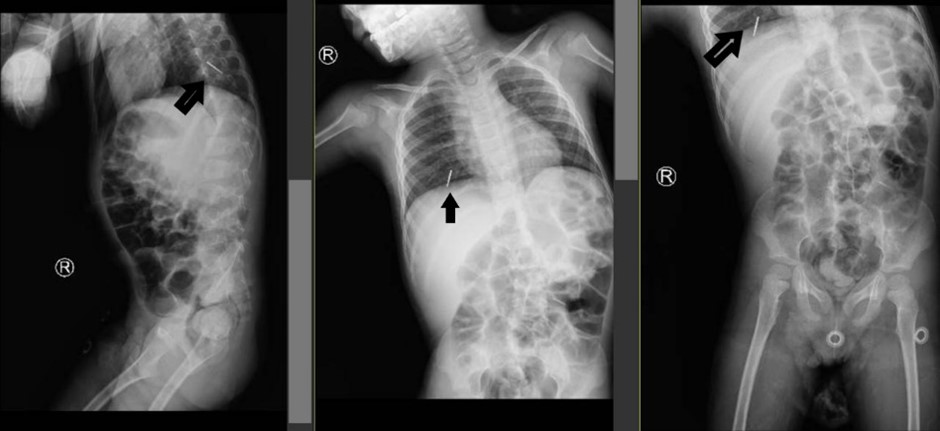
Figure 1: X-ray showed foreign body in right lung lower zone.
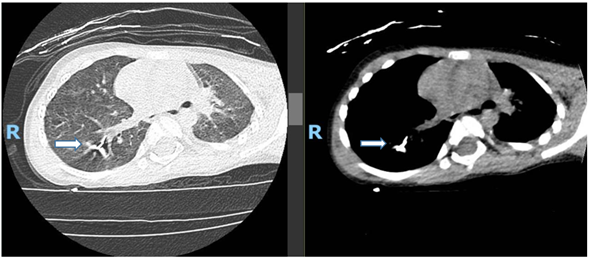
Figure 2a: CT scan chest (horizontal view) showed: Metallic foreign body at the bronchioles of the right lower zone measured 2.5cm.
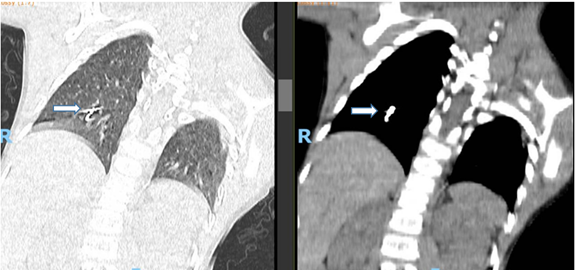
Figure 2b: Coronal view.
Clinical Course:
During hospital admission the thoracic surgery department was consulted for FB removal. A rigid bronchoscopy was attempted but was unsuccessful. The pediatric surgery department was then consulted, and a semi-urgent right thoracotomy and FB removal was planned to be carried out within 48hrs. The patient was admitted to the pediatric intensive care unit (PICU) for observation and he was breathing spontaneously on room air.
A follow-up chest X-ray, performed one day prior to the scheduled surgery, unexpectedly showed the FB in the stomach. As explained by the mother that the child had an episode of cough, six hours later, another X-ray revealed the FB in the distal small bowel. The patient's mother was instructed to observe his stools for passage of the FB. Two hours after the last X-ray, the FB was passed uneventfully with the stool.
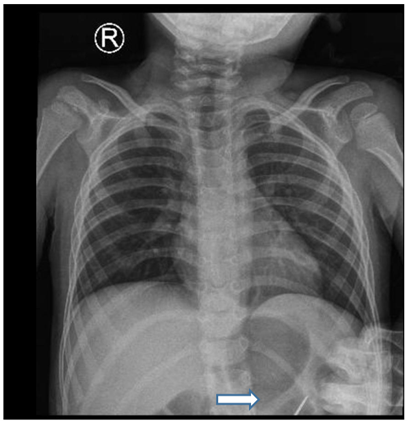
Figure 3: X-ray showed foreign body in stomach.
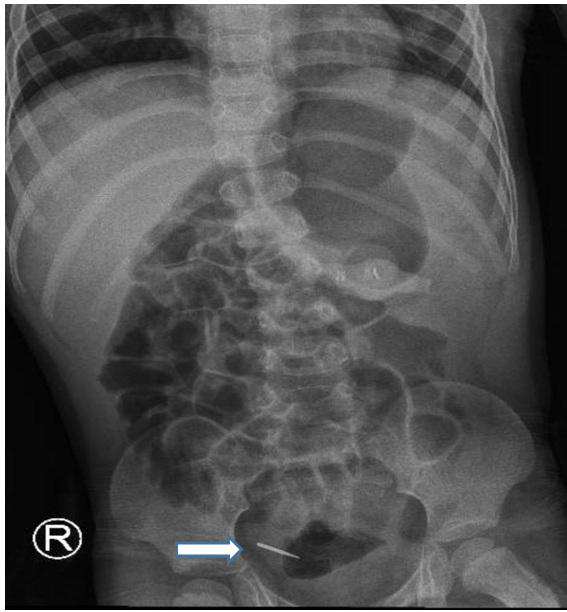
Figure 4: X-ray after 6 hours showed foreign body in the distal small bowel.
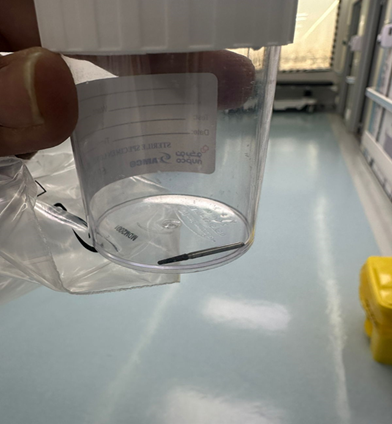
Figure 5: Revealed FB after the exit from the GI.
Outcome: The patient remained clinically stable throughout the observation period and was discharged home safely the following day.
Discussion
Foreign body aspiration is the inhalation of a foreign body into the larynx and respiratory tract [1].
Foreign body aspiration is a common occurrence in young children, often leading to significant morbidity and mortality. The management of inhaled FBs depends on various factors, including the nature and location of the FB, the patient's clinical status, and the available resources. While bronchoscopy is often the preferred method for FB removal, surgical intervention may be necessary in certain cases.
This case is unique due to the spontaneous migration and passage of the inhaled dental bur through the gastrointestinal tract. Up to our knowledge, it is relatively uncommon and we didn’t encounter any similar reported case in the literature, especially with metallic objects of this size. The patient's underlying cerebral palsy and spastic quadriplegia may have contributed to the unexpected partial expulsion & ingestion of the FB.
This report underscores the importance of a tailored approach to managing inhaled FBs. While the initial plan involved surgical removal, the subsequent observation of FB migration prompted a change in management strategy. This case demonstrates that rushing to surgery is not always necessary, and careful observation with serial imaging can be a viable option in select patients.
Literature Review:
Foreign body inhalation is a significant pediatric health concern, with various objects commonly aspirated, including food items, toys, and small objects. The clinical presentation can vary depending on the location and nature of the FB. Starting from minimal symptoms, often unobserved, to respiratory compromise, failure, and even death. Children aged 1-3 years are particularly at risk because of their increasing independence, lessening of close parental supervision as they become older, increasing activity and curiosity [2].
Natural Course of FB Aspiration: The natural course of FB aspiration can vary. Some FBs may remain lodged in the airway, causing obstruction and inflammation, while others may migrate to different locations.
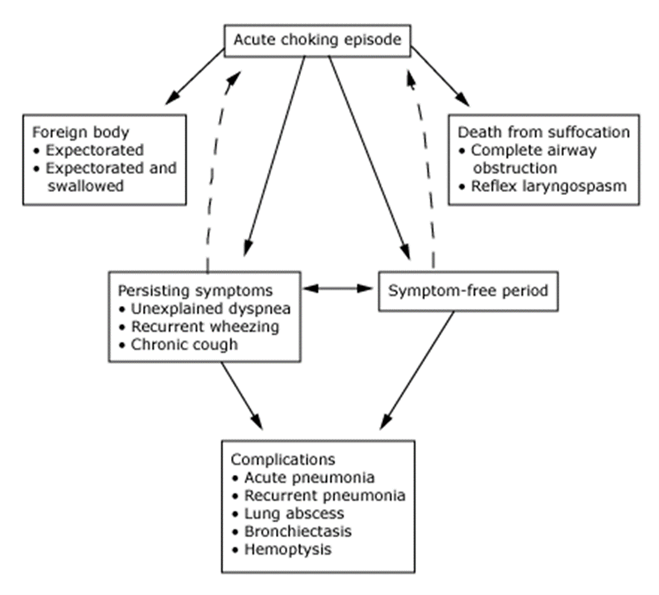
Chart 1: Natural Course of FB Aspiration [1].
Aspiration of dental foreign bodies also had been reported in the literature. It can occur during various dental procedures. In the case of accidental aspiration, the dentist must be able and prepared to apply the appropriate measures. These include the Heimlich manoeuver, and X-ray films should be taken to confirm the location of foreign objects in the respiratory tract. Correct postural and gravitational balance must be maintained, and postures without stability or without a clear view of the treatment site must be avoided; all instruments used must be checked and secured, so as to prevent accidents [3].
Also, a case report of A 12-year-old girl who had accidently inhaled a sharp pin during playing, who underwent urgent thoracotomy after failed flexible bronchoscopy, the author recommended that an inhaled pin needs removal even in the absence of symptoms, as migration and infection can occur. Up to three attempts at repeat bronchoscopy on separate occasions may be needed, after which it may be necessary to proceed to open surgery. In case the foreign body is found to be beyond the reach of the bronchoscope, it is useful to have obtained consent to proceed to thoracotomy in the first instance [4].
Recommendations:
In cases of inhaled FBs, avoid rushing to surgical intervention unless there is a clear and immediate indication, such as airway obstruction or respiratory distress.
Individualized Management: Tailor the management plan to each patient individually, considering their specific circumstances, the nature and location of the FB, and their overall clinical status.
Multidisciplinary Collaboration: Effective communication and collaboration within a multidisciplinary team, including pulmonologists, surgeons, radiologists, and pediatricians, are invaluable in managing these complex cases. This case highlights the importance of such collaboration in navigating unexpected challenges.
Conclusion
This case report highlights the unusual occurrence of spontaneous migration and passage of an inhaled dental bur in a child with cerebral palsy. It emphasizes the importance of individualized management, careful observation, and interdisciplinary collaboration in managing inhaled FBs. While surgical intervention is often necessary, this case demonstrates that it is not always the immediate or inevitable course of action.
References
- Airway foreign bodies in adults - UpToDate
- Kumar S, Al-Abri R, Sharma A, Al-Kindi H, Mishra P. Management of Pediatric Tracheo Bronchial Foreign Body Aspiration. Oman Med J, 2010; 25(4): e019. doi: 10.5001/omj.2010.99.
- Cossellu G, Farronato G, Carrassi A, Angiero F. Accidental aspiration of foreign bodies in dental practice: clinical management and prevention. Gerodontology, 2015; 32(3): 229-233. doi: 10.1111/ger.12068.
- Harischandra DV, Swanevelder J, Firmin RK. The inhaled pin inaccessible to the bronchoscope: a management conundrum. J Laryngol Otol, 2009; 123(12): 1399-401. doi: 10.1017/S0022215109005490.