
Email id: info@ijclinmedcasereports.com
The Utility of Magnetic Resonance Imaging to Diagnose Asymptomatic Radiograph-Negative Hip Fractures in Patients on Chronic Steroids: A Case Report of Simultaneous Bilateral Non-Traumatic Femoral Neck Fractures
Ayesha Tariq1, Aqna Malik1,2,*, Soha Suhail3 and Ashfaq ul Hassan2,3
1Department of Pharmacy, University of Lahore, Lahore
2Department of Pharmacy, University of Chenab, Gujrat
3Nursing College Allied Hospital Faisalabad
4Social Security Hospital Gujrat
Received Date: 18/07/2025; Published Date: 27/08/2025
*Corresponding author: Dr. Aqna Malik, Department of Pharmacy, University of Chenab, Gujrat; Department of Pharmacy, University of Lahore, Lahore
https://orcid.org/0000-0003-3875-9621
Abstract
Background: According to the WHO, patient-physician interaction is essential for optimal therapeutic outcomes (Honavar 2018). Physicians need clinical expertise and competence, but patients value verbal and non-verbal communication during consultations. Aligning healthcare delivery with patient expectations is now essential to quality primary care.
Objective: To properly assess the gap between patients' expectations and their actual experiences. To identify characteristics that contribute to poor interpersonal GP-patient dynamics through a baseline assessment.
Methodology: A cross-sectional survey was performed from March to June 2025 in the OPD of the Social Security Hospital in Gujrat. The research entailed data acquisition via Total patient details who visited the OPD during the last 6 months via their MR records. a survey formulated by final-year pharmacy undergraduates under the guidance of Dr. AQNA Malik, with institutional approval, gathering information from diabetes, cardiology, and gynaecology outpatient clinics, aided by hospital personnel. A self-administered questionnaire was designed, which was inspired by the Patient Picker Experience-15 (PPE-15) and the Good and Good Doctor survey. It was bifurcated into two segments. The Ist section included demographic data about patients, encompassing age, gender, and educational attainment. The 2nd section of 15 items was utilizing Likert-type replies. Patient experiences were assessed in outpatient department clinics.
Results: Among a Total number of patients who visited OPDs during the last 6 months highest number was found in the Medical and surgical wards. Among 105 selected patients, 53 (50.5%) were females and 52 (49.5%). Among the total, Male Participants were more strongly agree (26.47±17.77) than Females (24.13±14.14), and both gave nearly the same response, 7.867±6.5 (males) and 7.733±5.5. This indicated that while males strongly agreed with the questionnaire, accompanying females expressed less satisfaction regarding the GP patient bonding and understanding during outpatient department visits.
Conclusion: Men gave more positive responses to the survey theme, while women were more ambivalent and mildly and strongly disagreed to Perception of GP knowledge and practice, Availability of Resources, Medical care, and Emotional Support.
Keywords: Patient–physician relationship; General Physician; Patient Picker Experience-15
Background
Patient-physician relationship is a cornerstone for achieving optimal clinical outcomes, as mentioned by the WHO [1]. An in-depth examination of physician and patient traits in primary healthcare settings of Low-and Middle-Income Countries (LMICs) revealed that although clinical expertise and competence are essential attributes for physicians, patients often place higher importance on both verbal and non-verbal communication during consultations [2]. As a result, aligning healthcare delivery with patient expectations has emerged as a fundamental element of quality primary care [3].
In a study conducted in Karachi, Pakistan, one in six physicians reported being subjected to physical violence [4]. Due to unmet or unrealistic expectations and poor GP-Patient communication [5]. Additionally, structural inadequacies and a significant shortage of physicians have led to compromised primary healthcare quality, resulting in negative patient experiences that further deepen the disconnect between expectations and reality [6,7].
Despite the seriousness of the issue, there is a notable lack of research focusing on the underlying causes of public dissatisfaction with medical practitioners. This highlights a pressing need to investigate poor rapport-building and suboptimal healthcare practices that contribute to strained doctor-patient relationships [7]. Several studies emphasize the importance of understanding patients’ expectations and comparing them with actual experiences to identify and improve areas most valued by patients [8,9].
Much of the existing literature on public expectations has been derived from settings outside of LMICs, particularly Pakistan. It may not accurately represent the cultural and systemic realities of our population. Furthermore, there is an urgent need to address the escalating issues of violence, misinformation, mistrust, and declining public confidence in physicians [10].
Objectives:
- To evaluate the disconnect between patient expectations and experiences
- To identify contributing factors to poor interpersonal GP-patient dynamics
AIM: This study aims to explore public expectations regarding physicians' roles and responsibilities, assess patient experiences, and identify the factors influencing both.
Methodology
A cross-sectional study was conducted from March to June 2025 in the outpatient departments (OPDs) of the Social Security Hospital, Gujrat. The total number of patients who visited the OPD in the last 6 months was provided by the hospital, which helped us to select sample size. The study involved data collection through a survey designed by final-year pharmacy undergraduates under the supervision of Dr AQNA Malik, with institutional consent, collected data from diabetic, cardiology, and gynaecology OPDs, assisted by hospital staff. A self-administered, bilingual (Urdu and English), two-page questionnaire, inspired by the Patient Picker Experience-15 (PPE-15) and Good Doctor survey, was designed. It was divided into two parts. Ist part comprised demographic information of patients, including age, gender, ethnicity, and educational status. 2nd part consisted of 15 questions modified from Patient Picker Experience-15 (PPE-15) and Good Doctor survey, and linked with Likert-type responses. Experiences of patients were evaluated in OPD clinics.
The short form of the Picker questionnaire, by Jenkinson et al. in 2002, was also consulted. 15 questions were grouped into 8 major areas: Perception of GP knowledge and practice (4 items), Availability of Resources (2 item), Emotional support (2 item), GP behaviour (3 items), and rest of all quires like Economical support, respect for the patient's preferences, physical comfort, Coordination of care consisted of item. A Likert scale 1 to 5 was chosen, ranging from strongly agree to strongly disagree, and strongly chosen. After the pilot study, the questionnaire was tested. Patients who have visited the OPD clinics of Social Security Hospital, Gujrat, from March to June 2025. Prior verbal consent was obtained, and patients were pre-informed about the purpose of the survey; it was ensured that their data would be kept secret. Among participants, only patients were included, and those who wanted to participate through their caregivers were not invited to complete the survey. Many participants initially agreed to fill out the form but later declined. As a result, 105 patients aged 25–50 years, of both genders, who were diabetic and had visited a medical specialist or a medical officer, were interviewed for the study. These patients also had done follow-up visits. Children and patients outside the hospital, or those with incomplete responses, were excluded. Ethical approval was obtained from the university's ethics committee. Data were compiled using Microsoft Excel 2023 and analysed via GraphPad Prism 10.0.2, finding Pearson Correlation, with significance set at p < 0.05.
Results
Total number of patients who visited OPDs during the last 6 months:
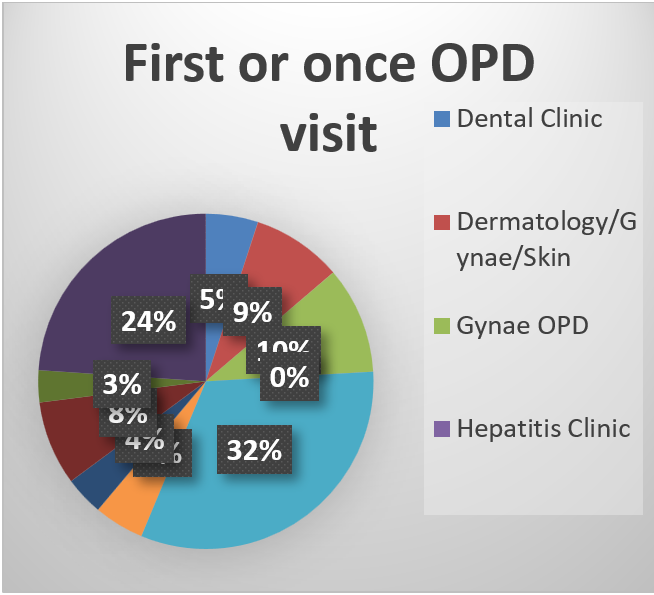
Figure 1: Total number of patients who visited OPDs during the last 6 months.
The Medical Officer Clinic has the highest total visits (14,778), and according to hospital records, most patients were suffering from diabetes, indicating Medical Officer Clinic is the busiest. Surgery Clinic is the 2nd most visited (9,018), reflecting a high surgical case load. Hepatitis Clinic has the lowest engagement (2 visits), possibly indicating underutilization or limited appointment availability. Repeat visits/Follow up by patients are notably high in Medical Specialist Clinic (2,670 repeat visits, ~65% of total of mostly diabetics), Medical Officer Clinic (2,650 repeats, Diabetics patients), Suggesting on-going or chronic case management in these OPDs.
Demographic and educational status of participants:
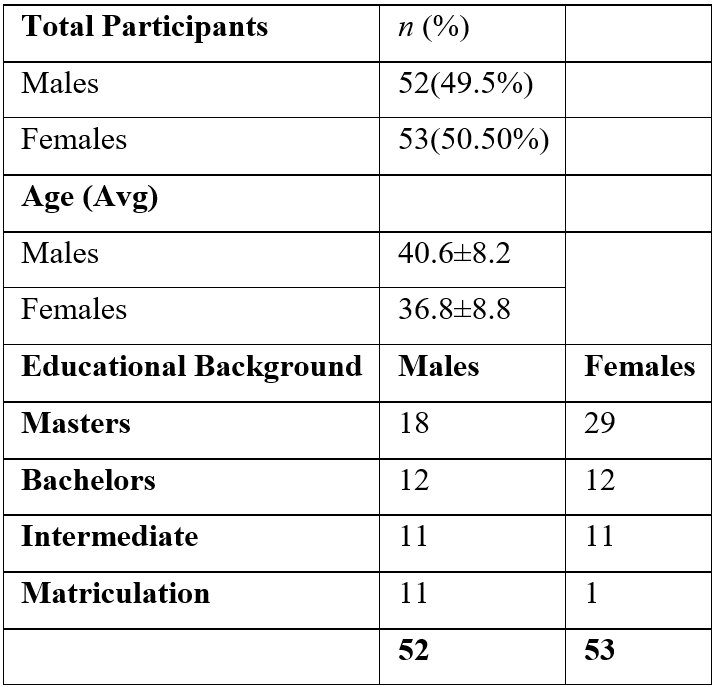
Nearly equal participation of both male and female diabetic participants was ensured. Among 105 participants, 53 (50.5%) were females and 52 (49.5%) were males (Table 1).
Table 1: Demographic and educational status of participants.
Segmentation of the questionnaire:
15 questions were organized into 8 main queries, each with more queries (Table 2).
Table 2: Segmentation of the questionnaire nnnn.
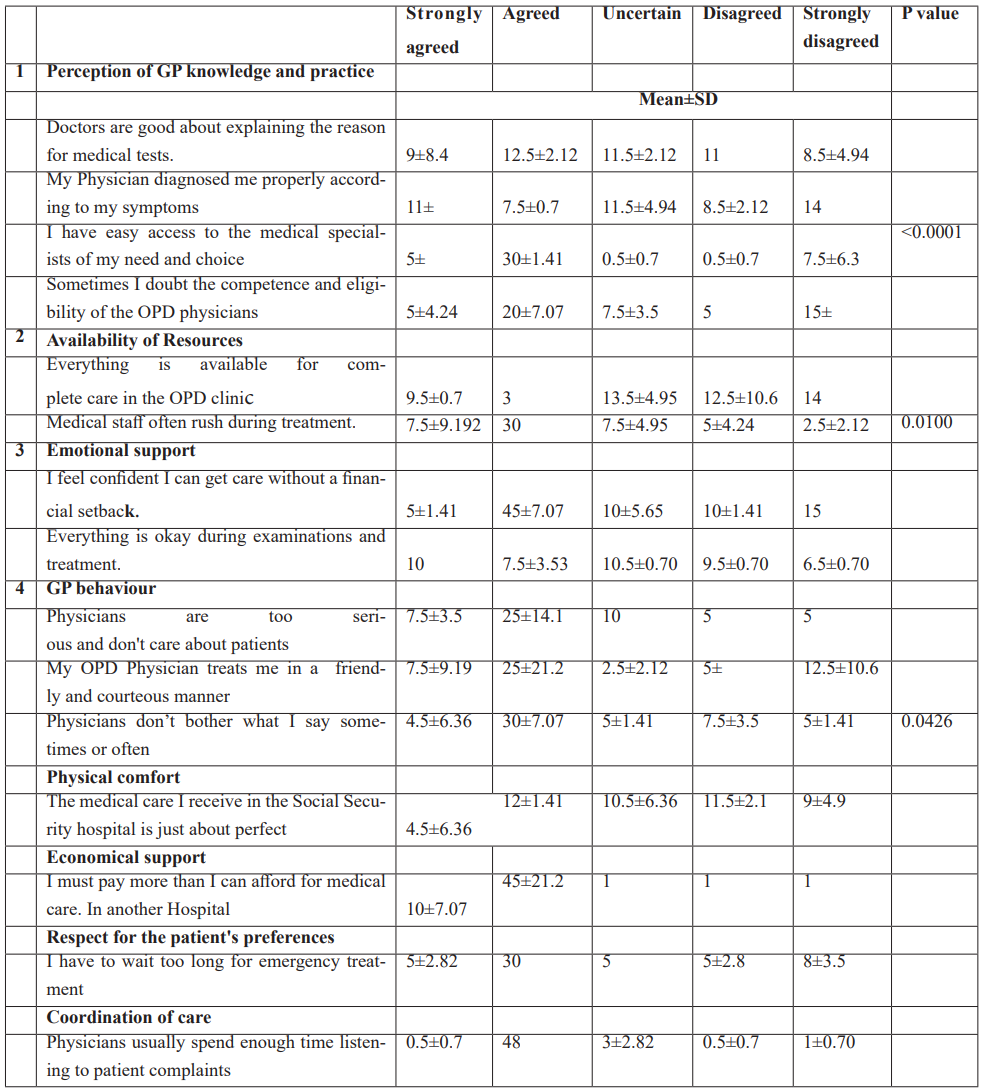
Perception of GP knowledge and practice: The perception of GP knowledge and practice was analysed using Tukey's multiple comparisons test, revealing a significant p-value of <0.0001 for the third question. This significance was observed in the comparisons between Agreed vs Strongly Agreed, agreed vs. Uncertain, agreed vs. Disagreed, and Agreed vs. Strongly Disagreed. A similar level of correlation was observed in the 4th question, lower than that in the 3rd question.
Availability of Resources: Tukey's multiple comparisons test revealed significant p-values in Question #2: Agreed vs. Strongly Agreed (p = 0.0100), Strongly Agreed vs. Uncertain (p = 0.0100), Strongly Agreed vs. Disagreed (p = 0.0049), and Strongly Agreed vs. Strongly Disagreed (p = 0.0025).
Emotional support: 2-Way ANOVA was conducted, revealing a significant p-value of <0.0001 in responses to question #1 when comparing Strongly Agreed and Uncertain groups, Strongly Agree versus Disagree, and Strongly Agree versus Strongly Disagree.
GP behaviour: Tukey's multiple comparisons test indicated a marginal significance in the 3rd question of GP behaviour between the responses of Strongly Agreed and Uncertain, Strongly Agree versus Strongly Disagree
Other parameters: A robust correlation was identified in the domains of Economic support and Coordination of care, with a significant p-value <0.0001 when comparing Strongly Agreed to Uncertain, Strongly Agreed to Disagreed, and Strongly Agreed to Strongly Disagreed. However, it was less evident in question 3 (Respect for the patient's preferences) and was absent in question 1 regarding physical comfort.
Responses from each participant to all the questions asked of patients
Regarding total responses by each participant in each question, Table 3a. showed all responses by each participant, male or female, against each question RM analysis depicted a significant p-value of 0.0006 Table 3b.
Table 3a: Responses from each participant to all of the questions asked of patients.
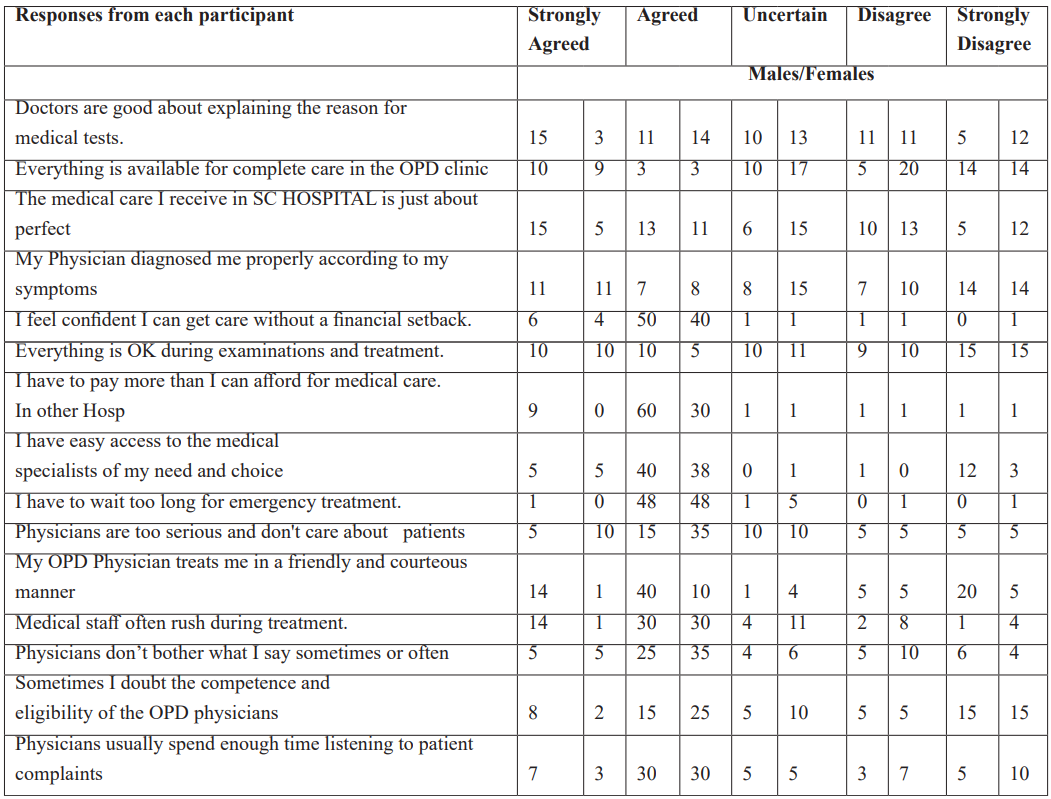
Table 3b: RM Way ANOVA analysis of total questions asked by patients.

Table 3c: Mean and SD of all responses from all participants in 15 questions.
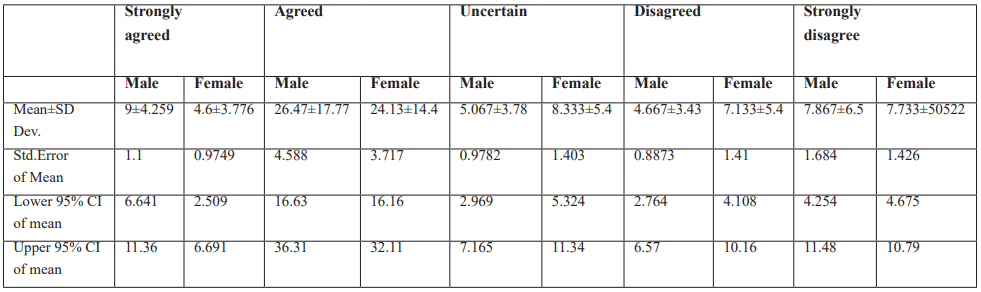
Table 3(c) indicates patterns of consensus and divergence among Males and females linked to a Likert-scale survey.
Discussion
MR data suggested that general medical OPDs dominate patient flow, while specialty clinics like Hepatitis or Dental have comparatively lower repeat visits, indicating either resolution of issues in initial visits or fewer chronic cases. The repeat visit rate of patients (~15.9%) overall reflects a healthy follow-up system for chronic and referred patients. Diabetics were selected for the study to include participants from both genders who have close insight into OPD visits and GP behaviour. Male Participants were more strongly agree (26.47±17.77) than Females (24.13±14.14) because males are mostly employees of Social Security hospitals and claim health insurance benefits from the Social Security employee organization, so they were highly satisfied with services provided by General Physicians however SD values (Males: 17.77, Females: 14.4) demonstrated significant variability in responses, particularly among males similarly 95% confidence interval for males (16.63–36.31) compared to females (16.16–32.11) indicates a higher degree of variability in male responses.
Male Agreed Participants (9) exhibited a mean agreement nearly twice that of females, suggesting a more favourable overall stance than Females (4.6); however, Lower SD indicates greater consistency compared to the “Strongly agree” group. In case of Uncertain/Ambiguous Participants, Female participants (8.33) marginally surpassed males (5.07), indicating indecision, insufficient information, or ambivalence among female respondents. In case of Disagreed Participants Females (7.13) again exceeded Males (4.67), exhibiting a greater propensity for disagreement compared to males, though the disparity is moderate. However, the 95% CI remained broad, reflecting diverse individual responses in both groups. In case of Strongly Disagree Males (7.87), and Females (7.73) participants showed comparable mean scores, indicating that both genders exhibit similar degrees of strong disagreement.
Statistical Precision: The small standard errors indicated that the sample means are dependable within the specified confidence intervals.
Conclusion
Participant responses in the above questionnaire regarding GP behaviour and experience of patients in OPD settings indicated that male participants exhibited more polarized responses, characterized by higher levels of strong agreement and strong disagreement. In contrast, female participants demonstrate a more balanced distribution, marked by increased rates of uncertainty and moderate disagreement. A gender-based disparity was present in participants' perceptions or responses to the survey theme, with males exhibiting more affirmative responses and females displaying greater ambivalence and mild disagreement towards Perception of GP knowledge and practice, Availability of Resources, Medical care, and Emotional Support.
Limitations: Due to limited resources, only one hospital Social Security Hospital, was included in the survey. if additional resources are available, the poll might be extended to various hospitals, encompassing perceptions of other healthcare professionals as well.
Acknowledgement: We are highly thankful to Dr. Ashfaq ul Hassan(pharmacist), Social Security Hospital, Gujrat, for his cooperation.
Funding: The Project was non-funded.
References
- Honavar SG. Patient–physician relationship–Communication is the key, Medknow. Indian Journal of Ophthalmology, 2018; 66(11): 1527-1528.
- Irshad HA, Mahar MU, Jahangir A, Aamir SR, Jamil MA, Ahsan K, et al. "An assessment of public experiences and expectations with physicians: a cross sectional study from Karachi, Pakistan." BMC Health Services Research, 2024; 24(1): 108.
- Ferreira DC, Vieira I, Pedro MI, Caldas P, Varela M. "Patient Satisfaction with Healthcare Services and the Techniques Used for its Assessment: A Systematic Literature Review and a Bibliometric Analysis." Healthcare (Basel), 2023; 11(5).
- Zafar W, Khan UR, Siddiqui SA, Jamali S, Razzak JA. “Workplace violence and self-reported psychological health: coping with post-traumatic stress, mental distress, and burnout among physicians working in the emergency departments compared to other specialties in Pakistan." The Journal of emergency medicine, 2016; 50(1): 167-177. e161.
- Baig LA, Shaikh S, Polkowski M, Ali SK, Jamali S, Mazharullah L, et al. "Violence against health care providers: a mixed-methods study from Karachi, Pakistan." The Journal of Emergency Medicine, 2018; 54(4): 558-566. e552.
- Bright T, Felix L, Kuper H, Polack S. "A systematic review of strategies to increase access to health services among children in low and middle income countries." BMC Health Services Research, 2017; 17(1): 252.
- Kruk ME, Gage AD, Arsenault C, Jordan K, Leslie HH, Roder-DeWan S, et al. "High-quality health systems in the Sustainable Development Goals era: time for a revolution." The Lancet global health, 2018; 6(11): e1196-e1252.
- Bowling A, Rowe G, Lambert N, Waddington M, Mahtani K, Kenten C, et al. "The measurement of patients' expectations for health care: a review and psychometric testing of a measure of patients' expectations." Health technology assessment, 2012;16(30).
- Natafgi N, Ladeji O, Blackwell S, Hong YD, Graham G, Cort M, et al. "Similar values, different expectations: How do patients and providers view ‘health’and perceive the healthcare experience?" Health Expectations, 2022; 25(4): 1517-1528.